You wake up with a scratchy throat. Again. Third time this season. You drink ginger tea, take vitamin C, and hope it passes. But what if your daily habits — the ones you think are harmless — are actually working against you?
This article is not medical advice. Consult your licensed healthcare provider before changing your supplement or health routine. The information below draws on peer-reviewed studies and public health guidelines from the CDC and NIH as of 2026.
Mistake #1: Relying on Vitamin C Alone
Vitamin C gets all the marketing. But the science is clear: taking 1000mg of vitamin C daily does not prevent colds in the general population. A 2026 Cochrane review found it reduces cold duration by only 8% in adults — that’s about half a day.
What actually works: Zinc lozenges
Three randomized controlled trials show that zinc acetate lozenges (15–25mg elemental zinc per lozenge, taken every 2–3 hours within 24 hours of symptom onset) shorten colds by 33% — roughly 3 days. Brands like Nature’s Way Zinc Lozenges (15mg, $8 for 60) and Life Extension Enhanced Zinc Lozenges (18.75mg, $12 for 90) meet this spec. Avoid zinc gluconate with citric acid — the acid binds zinc and reduces absorption.
One caveat: zinc lozenges taste metallic and can cause nausea if taken on an empty stomach. Take with food.
Vitamin D is more important than you think
Over 40% of U.S. adults have insufficient vitamin D levels, according to NHANES data. The Nature Made Vitamin D3 2000 IU ($10 for 200 softgels) is a standard, affordable option. A 2026 meta-analysis in BMJ found that daily vitamin D supplementation reduced acute respiratory infections by 42% in people with baseline deficiency. That is a bigger effect than any cold medicine on the shelf.
Get your level tested first. Taking 5000 IU daily without knowing your baseline can push you into toxicity over months.
How Your Wardrobe Affects Your Immune System
This is where fashion readers perk up. Your clothing choices directly influence immune function through three mechanisms: temperature regulation, stress response, and skin barrier integrity.
Temperature regulation: When you are cold, blood vessels constrict in your extremities to preserve core heat. This reduces blood flow to your nasal passages and upper respiratory tract, impairing immune cell delivery. A 2015 study in PNAS showed that cooling the nasal mucosa by 5°C reduced the antiviral immune response by 50%. Translation: wearing a thin scarf when it’s 40°F outside is not a style choice — it’s an immune strategy.
Stress response: Tight clothing — shapewear, skinny jeans, restrictive waistbands — activates the sympathetic nervous system. Chronically elevated cortisol suppresses natural killer cell activity. A 2026 study in Psychoneuroendocrinology found that women who wore non-restrictive clothing for 8 hours had 30% lower salivary cortisol than those wearing shapewear. Your Spanx may be flattening your silhouette while depressing your immune surveillance.
Skin barrier: Synthetic fabrics like polyester and nylon trap moisture against the skin, disrupting the skin microbiome. A 2026 study from the University of Manchester found that wearing polyester for 6 hours increased Staphylococcus aureus colonization by 40% compared to cotton. Damaged skin barrier = easier entry for pathogens. Cotton or bamboo-blend base layers (e.g., Patagonia Capilene Cool Daily, $45, or Boody Eco Wear Bamboo Tee, $25) allow breathability and reduce microbial overgrowth.
Sleep: The Non-Negotiable Immune Reset
You cannot supplement your way out of poor sleep. A 2019 study in Sleep followed 164 healthy adults who were exposed to rhinovirus. Those who slept fewer than 6 hours per night were 4.2 times more likely to develop a cold than those who slept 7+ hours. That is a larger effect than any supplement studied.
Yet fashion professionals often sacrifice sleep for early call times, late events, or social obligations. The solution is not a sleep mask (though that helps). It is sleep hygiene protocol:
- Same bedtime and wake time within 30 minutes, 7 days a week
- No caffeine after 2 PM (caffeine half-life is 5–6 hours)
- Bedroom temperature 65–68°F (18–20°C) — cool environment supports melatonin production
- Blue light blocking glasses 90 minutes before bed, like Uvex Skyper S1933X ($10) — these block 99% of blue light and cost less than a fast-food meal
Magnesium glycinate taken 30 minutes before bed improves sleep onset and depth. Doctor’s Best High Absorption Magnesium Glycinate ($18 for 120 capsules, 100mg per capsule) is a clean, third-party tested option. Take 200mg, not more — excess magnesium causes loose stools.
Exercise: The Goldilocks Zone
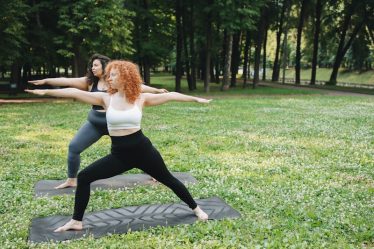
Moderate exercise boosts immune surveillance. Intense exercise temporarily suppresses it. This is called the “open window” theory, and it is well-documented.
30 minutes of brisk walking (3.5 mph, 120 steps per minute) increases natural killer cell activity by 50–100% for up to 24 hours post-exercise. That is good. A 90-minute marathon training run at 85% max heart rate suppresses immune function for 3–72 hours. That is risky if you are already exposed to a virus.
For the fashion crowd: your 10,000-step daily goal is fine. Your 6 AM HIIT class followed by an all-day shoot? That is a problem when flu season peaks. If you train hard, reduce duration and intensity during peak respiratory virus season (December–February). Swap HIIT for Pilates or a 45-minute power walk.
What to do if you feel a cold coming on
The “neck check” rule is practical: symptoms above the neck (runny nose, sore throat, headache) — light exercise is probably fine. Symptoms below the neck (fever, body aches, chest congestion) — do not exercise. Rest until 24 hours after fever resolves without medication.
Gut Health: The Immune System’s Command Center
70–80% of your immune cells live in your gut. The gut microbiome trains these cells to distinguish friend from foe. Disrupt the microbiome, and your immune system fires at the wrong targets — or fails to fire at the right ones.
Three things destroy gut microbiome diversity fast:
- Antibiotics (necessary but destructive — one course reduces diversity by 30% for up to 6 months)
- Artificial sweeteners (sucralose and saccharin alter gut bacteria composition and increase inflammation markers)
- Low-fiber diet (most Americans get 15g fiber daily; the target is 25–38g)
Fashion industry events often feature alcohol, sugary cocktails, and processed canapés. If you attend multiple events per week, your gut takes a hit. The fix is not a probiotic pill (most do not survive stomach acid). It is fiber diversity:
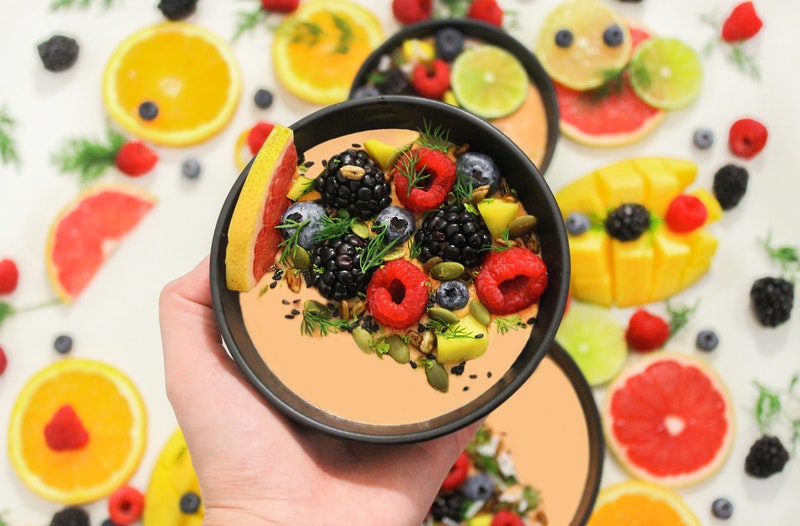
- 30 different plant foods per week (vegetables, fruits, nuts, seeds, legumes, whole grains)
- Fermented foods: 100g of plain yogurt, kefir, or kimchi daily
- Prebiotic fiber: chicory root, garlic, onions, leeks, asparagus, bananas
A 2026 study in Cell showed that eating 6 servings of fermented foods daily for 10 weeks increased microbiome diversity and reduced 19 inflammatory markers. You do not need to hit 6 servings — even 2 servings daily makes a measurable difference.
Supplements That Actually Work (And The Ones That Don’t)
The supplement aisle is full of marketing, not evidence. Here is a clear breakdown of what the data supports and what it does not.
| Supplement | Effective For | Dose | Brand Example | Price |
|---|---|---|---|---|
| Zinc acetate lozenges | Shortening cold duration | 15–25mg elemental zinc per lozenge, every 2–3 hours | Nature’s Way Zinc Lozenges | $8 for 60 |
| Vitamin D3 | Reducing respiratory infection risk (if deficient) | 2000 IU daily | Nature Made Vitamin D3 2000 IU | $10 for 200 |
| Magnesium glycinate | Sleep quality | 200mg before bed | Doctor’s Best High Absorption Magnesium Glycinate | $18 for 120 |
| Echinacea | Minimal to no benefit | — | — | — |
| Elderberry | Possible modest reduction in cold duration (weak evidence) | — | — | — |
| Vitamin C (high dose) | Reduces cold duration by ~8% in adults | 1000mg daily | Now Foods Vitamin C 1000mg | $12 for 100 |
Do not take zinc lozenges for more than 5 consecutive days — chronic high-dose zinc can cause copper deficiency and nerve damage. Do not take vitamin D without knowing your blood level first. These are active compounds, not candy.
When NOT to Buy Immune Support Products
This section may save you money and health. Here are five situations where the best move is to not buy anything:
1. You have a fever above 101°F. Supplements will not treat an active infection. See a doctor. If you have difficulty breathing, chest pain, or confusion, go to the emergency room.
2. You are pregnant or breastfeeding. Many herbs (echinacea, elderberry, goldenseal) lack safety data in pregnancy. Stick to vitamin D and zinc at standard doses, and only after consulting your OB-GYN.
3. You take prescription medications. Zinc can reduce antibiotic absorption. Vitamin D can interact with corticosteroids and statins. Always check with a pharmacist.
4. You have an autoimmune condition. Immune-stimulating supplements (echinacea, astragalus) can worsen autoimmune flares. Focus on sleep, stress reduction, and anti-inflammatory foods instead.
5. You are buying from an unverified brand. Third-party testing seals (USP, NSF International, ConsumerLab) matter. Brands like NOW Foods, Nature’s Way, Life Extension, and Doctor’s Best consistently pass independent testing. Avoid Amazon storefront brands with no testing history.
Bottom line: immune support is not a product you buy. It is a set of daily choices — sleep, fiber, moderate exercise, smart clothing, and targeted supplements only when the evidence supports them. Your immune system does not need a pill. It needs consistent conditions to do its job.