
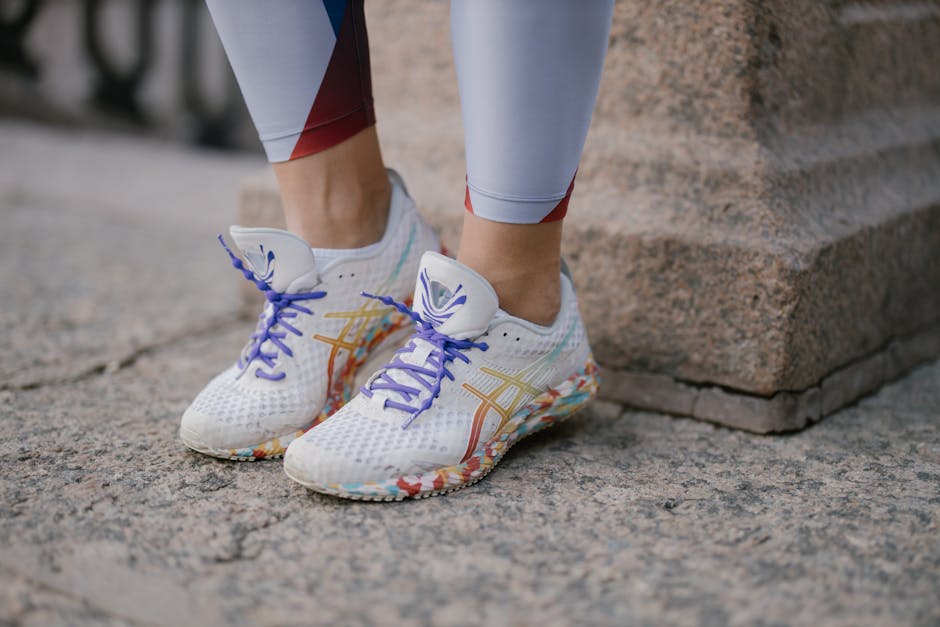
Alright, let’s get this straight. If you’re a supinator, your feet don’t roll inward enough. That means you’re landing hard on the outside edge of your foot, and that’s asking for trouble. You need cushioning. You need flexibility. You need a neutral shoe that absorbs impact without forcing your foot into an unnatural position. Forget all the marketing jargon. Here’s what actually matters.
What Supination Actually Means for Your Feet (and Your Run)
Supination, or underpronation, isn’t some minor quirk. It’s a significant biomechanical pattern where your foot and ankle roll outwards during your stride. Instead of distributing impact evenly, the force concentrates on the lateral (outer) side of your foot. Think of it like walking on the edge of a board; it’s unstable and inefficient. This lack of natural pronation, which is your body’s shock absorption mechanism, means every step is a jarring event. You’re essentially hammering your joints.
This isn’t just about comfort. Chronic supination leads to a host of running injuries. Plantar fasciitis, IT band syndrome, ankle sprains, stress fractures in the metatarsals, even shin splints. Your body tries to compensate for the poor shock absorption, often leading to tightness in the calves and hamstrings. It’s a domino effect, starting from your feet and potentially impacting your knees, hips, and lower back. Ignoring it is just inviting pain. You need to address the root cause: inadequate footwear that supports your natural, albeit limited, pronation.
Identifying Supination
So, how do you know if you’re a supinator? The easiest way is the wet test. Wet your foot and step on a piece of paper or cardboard. If you see only the ball of your foot and your heel, with little to no connection in the middle, you’re likely a supinator with high arches. Another tell-tale sign is the wear pattern on your old running shoes. Check the outsoles. If they’re heavily worn on the outer edges, especially around the pinky toe area and the outer heel, that’s a dead giveaway. You’re consistently landing and pushing off from the outside. Your gait probably looks rigid, and you might feel like your ankles are rolling outwards or that you’re running on stilts. Don’t overthink it. If the wear is on the outside, you supinate.
Why Neutral Shoes Fail Supinators
This is where people get it wrong. Many supinators, in an attempt to find relief, mistakenly gravitate towards minimalist shoes, thinking less shoe means more natural movement. That’s a huge error. Minimalist shoes offer negligible cushioning and no support for high arches, which are often associated with supination. They’ll only the impact issues. Stability shoes are another common mistake. These are designed to *correct* overpronation, to prevent the foot from rolling too far inward. A supinator’s foot already doesn’t roll inward enough. Putting them in a stability shoe will push their foot even further to the outside, worsening the problem and increasing injury risk. You don’t need motion control; you need impact control. Stick to neutral shoes. Period.
Essential Features: What Supinators Absolutely Need in a Running Shoe

Choosing the right running shoe when you supinate isn’t rocket science, but it demands attention to specific features. You’re not looking for a shoe to correct your gait, because supination isn’t something you can ‘correct’ with shoe tech. You’re looking for a shoe that works *with* your biomechanics, providing maximum impact absorption and flexibility where you need it most. This means prioritizing cushioning and a design that encourages natural foot movement, not restricts it. Anything else is a waste of money.
- Maximum Cushioning: This is non-negotiable. Supinators lack natural shock absorption. Your shoe needs to compensate. Look for generous midsole stack heights and soft, responsive foams. This isn’t about sinking into the shoe; it’s about dissipating the force of impact before it travels up your kinetic chain. Brands like Hoka have built their reputation on this, and for good reason. More foam means less pain.
- Flexibility: While cushioning is key, your shoe shouldn’t be a rigid block. A good running shoe for supination will allow for natural foot flexion. Check the forefoot: it should bend easily at the ball of your foot. This promotes a smoother toe-off and prevents your foot from fighting against the shoe’s structure. A flexible upper is also beneficial, conforming to your foot’s shape without adding pressure points, especially on the outside edge.
- Neutral Arch Support: This might sound contradictory, but neutral shoes *do* offer arch support. It’s just not the aggressive, corrective kind found in stability shoes. High arches need gentle, contoured support to prevent collapse and provide comfort without forcing the foot into an unnatural inward roll. Look for shoes designed for neutral pronators, as they often have adequate but not intrusive arch support.
- Durable Outsole: Because supinators wear out the outer edge of their shoes faster, a durable outsole is crucial. Look for high-abrasion rubber strategically placed on the lateral side of the shoe. This extends the shoe’s life and maintains consistent traction. Without it, you’ll burn through shoes at an alarming rate, and worn-out outsoles mean compromised stability and cushioning, accelerating injury risk.
- Wide Toebox: Supinators often have higher arches which can lead to a wider forefoot or require more space for toe splay. A generous toebox prevents cramping, blisters, and discomfort, especially on longer runs. Your toes need room to spread naturally to aid in balance and propulsion. Don’t squeeze your feet into narrow shoes.
Common Mistakes Supinators Make When Buying Running Shoes
People make this harder than it needs to be. Supination requires a specific approach, and most runners, even experienced ones, often get it wrong. The biggest error? Not understanding what supination actually is and what it demands from footwear. Stop listening to outdated advice or confusing your issue with overpronation. Your needs are distinct, and ignoring them will keep you sidelined.
You see people grabbing shoes because they look cool or because their friend uses them. That’s fine if you’re buying sneakers for casual wear. For running with supination, it’s a recipe for pain. You must prioritize function over aesthetics. The shoe market is flooded with options, and many are designed for the average pronator, not the supinator. This means you have to be extra vigilant and informed. Don’t be swayed by marketing that promises universal comfort or stability solutions; those aren’t for you.
Over-correcting with Stability Shoes
This is a major screw-up. Stability shoes are built with medial (inner side) support features like dense foam posts or guide rails. Their sole purpose is to prevent excessive inward rolling of the foot. A supinator’s foot already doesn’t roll inward enough. Putting that foot into a shoe designed to resist inward motion will only push it further outward. This s the very problem you’re trying to solve. You’ll feel uneven pressure on the outside of your foot, increasing the strain on your ankles, knees, and hips. It’s counterproductive. You are not an overpronator; you need the opposite of what a stability shoe offers. Avoid them at all costs. Period.
Ignoring Shoe Weight
Many supinators, in their pursuit of cushioning, overlook shoe weight. While maximal cushioning often comes with a bit more bulk, excessively heavy shoes can negate some of the benefits. A heavy shoe can lead to increased fatigue, alter your natural stride, and put more strain on your lower body over long distances. You want cushioning that feels protective, not like you’re dragging cinder blocks. There’s a sweet spot where you get ample protection without the shoe feeling cumbersome. Lightweight, highly cushioned neutral trainers are the goal. Don’t sacrifice efficiency for perceived plushness if the weight becomes a burden. A good shoe for supination should feel substantial but never sluggish. Test them. Run a few steps in the store. Feel the difference.
Top Running Shoes for Supinators: My No-Nonsense Picks
Enough talk. You want to know what shoes actually work. These are the current best options for supinators. They all prioritize cushioning, neutral support, and a smooth ride, which is exactly what your feet need to absorb impact and keep you moving without pain. Don’t second-guess these. They’re proven performers.
| Shoe Model | Key Feature for Supinators | Cushioning Level | Typical Price Range |
|---|---|---|---|
| Brooks Ghost 15 | Balanced cushioning, smooth transitions | Moderate to High | $120 – $140 |
| Hoka Clifton 9 | Maximal cushioning, Meta-Rocker geometry | Maximal | $145 – $160 |
| Saucony Kinvara 14 | Lightweight, flexible, responsive PWRRUN | Moderate | $120 – $130 |
| ASICS GEL-Cumulus 25 | Plush GEL cushioning, responsive FF BLAST+ | High | $130 – $150 |
| New Balance Fresh Foam X 880v13 | Versatile, balanced Fresh Foam X | High | $135 – $150 |
Brooks Ghost 15: The Reliable All-Rounder
The Brooks Ghost 15 is a perennial favorite for a reason. It’s a workhorse neutral trainer that consistently delivers. For supinators, its balanced DNA LOFT v2 cushioning is a godsend. It’s soft enough to absorb impact effectively but doesn’t feel squishy or unstable. The ride is incredibly smooth, transitioning well from heel to toe. This shoe doesn’t try to overcomplicate things; it just provides reliable, consistent cushioning and a comfortable fit. It’s got sufficient flexibility in the forefoot, which is crucial for a natural toe-off. If you want a dependable, no-fuss shoe that will simply get the job done and protect your feet, the Ghost 15 is it. You can’t go wrong here.
Hoka Clifton 9: Max Cushion, Max Comfort
When you hear Hoka, you think cushioning. The Clifton 9 delivers exactly that, and it’s fantastic for supinators who need serious impact protection. Its massive stack height, packed with a lighter, more responsive compression-molded EVA foam than previous versions, makes every landing feel softer. The Meta-Rocker geometry promotes a smooth, almost rolling sensation through your stride, reducing the jarring impact that supinators often experience. It’s a truly plush ride. While some might find Hokas a bit bulky, for a supinator, that bulk translates directly to relief. If your primary concern is absorbing as much shock as possible and preventing joint pain, the Clifton 9 is a top-tier choice. It’s built for comfort over miles.
Saucony Kinvara 14: Lightweight Responsiveness
Okay, so you want cushioning but also a sense of speed? The Saucony Kinvara 14 might be your pick. It’s a lighter, more flexible option compared to the Ghost or Clifton, yet still provides excellent impact absorption through its PWRRUN cushioning. This shoe is fantastic for supinators who prefer a more connected feel to the ground without sacrificing protection. The Kinvara 14 is known for its responsive ride, meaning you get energy back with each step, which can be invigorating. Its flexibility allows your foot to move naturally, which is key for supinators who need that freedom without aggressive support. It’s a great choice for faster training days or even races, offering a nimble yet protective experience.
ASICS GEL-Cumulus 25: Plush Comfort and Bounce
ASICS has refined the GEL-Cumulus 25 into a seriously plush neutral trainer, making it a strong contender for supinators. It uses a combination of PureGEL technology in the heel and forefoot, alongside the brand’s FF BLAST+ cushioning throughout the midsole. The result is a shoe that feels incredibly soft on landing, but still offers a noticeable bounce for a more energetic toe-off. The fit is generous, and the engineered mesh upper provides excellent breathability without feeling restrictive. It’s a reliable daily trainer that prioritizes comfort and shock absorption, directly addressing the core needs of a supinator. The ride is smooth, consistent, and forgiving, perfect for eating up daily miles.
New Balance Fresh Foam X 880v13: Versatile & Balanced
The New Balance Fresh Foam X 880v13 is another excellent, versatile option for supinators. It offers a balanced blend of cushioning and responsiveness with its dual-layer Fresh Foam X midsole. This isn’t a maximalist shoe, but it provides ample protection for daily training. Its construction promotes a smooth, stable ride without any intrusive elements that could push a supinator’s foot further outward. The upper is comfortable and secure, and the outsole is durable, which is a big plus given the specific wear patterns of supinators. If you’re looking for a dependable workhorse that handles various paces and distances with consistent comfort and effective shock absorption, the 880v13 is a solid bet. It’s a true neutral daily trainer done right.
The Verdict: Your Best Bet for Supination Relief
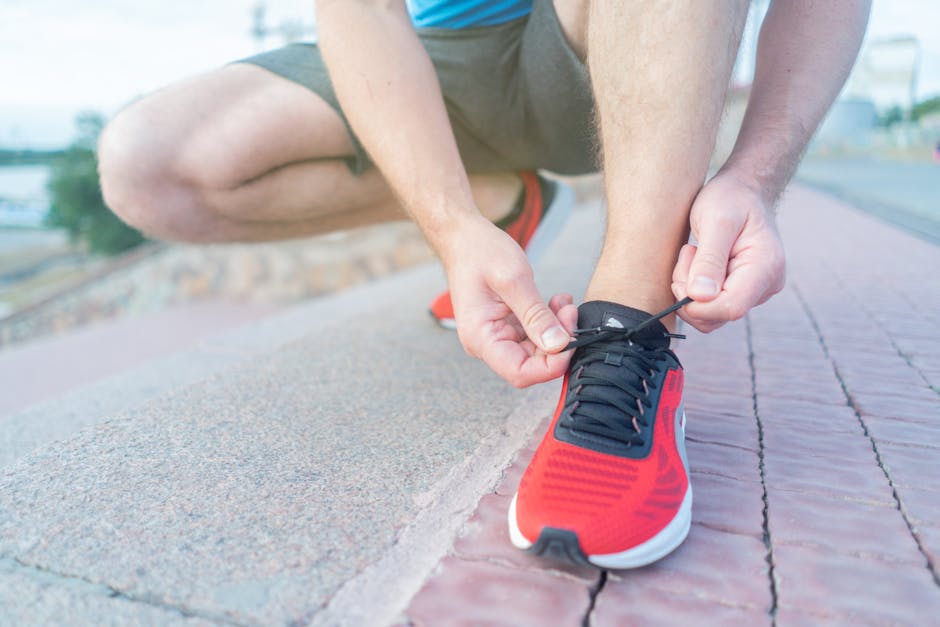
Look, you’re a supinator. That means you need a neutral shoe with serious cushioning to absorb impact. End of story. Stop overthinking it. The Brooks Ghost 15 is your no-brainer daily driver for reliable comfort. If you want maximum plushness, grab the Hoka Clifton 9. You need to protect your feet from unnecessary pounding. Choose one of these, and your runs will immediately feel better. It’s that simple.