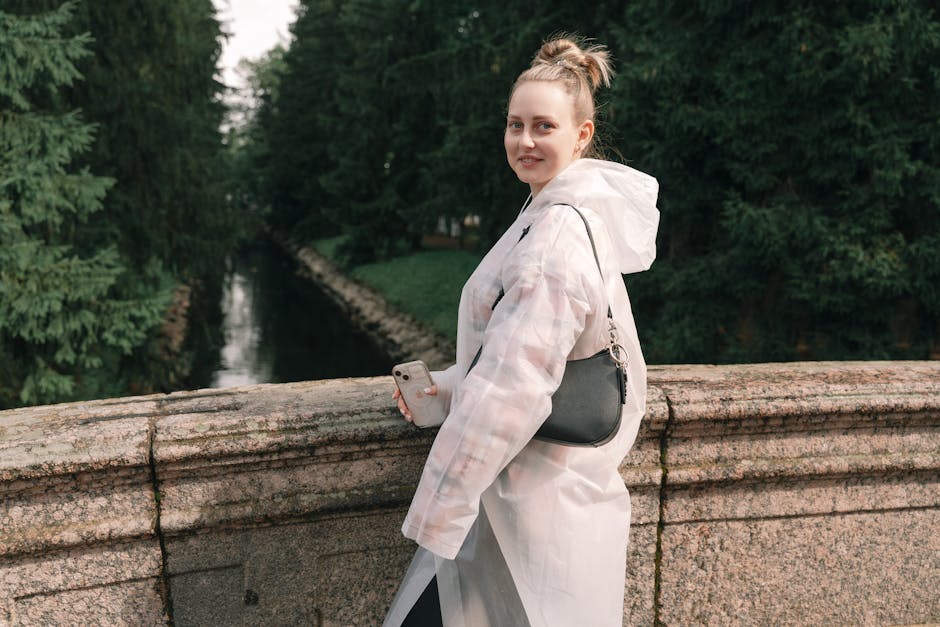
Listen, I’ve spent more mornings than I care to admit arriving at work with a wet laptop or a soggy sandwich because I thought I had my rain strategy figured out. The common misconception? That a waterproof backpack is enough, or that any old oversized raincoat will magically cover your bag. Wrong. Dead wrong. The real issue isn’t just keeping your stuff dry; it’s keeping your stuff dry while still being able to access it easily, all while you stay comfortable and actually look somewhat presentable. I learned this the hard way, through years of trial and error, busted zippers, and ruined documents. Forget the notion that a standard shell will do. You need something smarter, something designed for the reality of carrying gear in the rain. I’m going to share what actually works.
Why "Just Carry an Umbrella" Fails in Real Life
It’s a classic thought process, right? "I’ll just grab an umbrella." For a quick dash from the car to the office, maybe. But if you’re truly commuting – walking, cycling, or navigating public transport – an umbrella quickly becomes a liability. I’ve juggled umbrellas with shopping bags, coffee, and a phone, only to have the wind invert it or, worse, jab a fellow pedestrian. It leaves your back and legs exposed, and your backpack? Forget about it. It’s taking the brunt of every gust and downpour. I quickly learned that relying solely on an umbrella is a rookie mistake for anyone regularly out in the elements.
The Limitations of Standard Backpack Covers
Many backpacks come with integrated rain covers, or you can buy aftermarket ones. They seem like a smart solution, don’t they? I bought several. What I found is that they’re fine for light drizzle or when your bag is sitting stationary. But when you’re moving, especially cycling or walking quickly, they become a pain. The covers flap in the wind, catch on things, and often don’t provide a complete seal around the straps or the bottom. Water inevitably finds its way in, especially if you have an older, less water-resistant pack. Plus, accessing anything in your bag means taking the cover off, exposing everything, then fumbling to put it back on. It’s inconvenient, and it just doesn’t hold up in a real downpour. I’ve had perfectly good gear soaked because I trusted one of these.
When a Poncho is More Annoyance Than Solution
Ah, the humble poncho. Cheap, cheerful, and seemingly effective. I’ve used them for festivals and sudden downpours. For covering yourself and a small backpack, they can work in a pinch. However, the vast majority are flimsy, non-breathable plastic sheets. You end up creating your own personal sauna underneath, sweating through your clothes even as you stay dry from the rain. They also offer minimal articulation, making it difficult to do anything besides walk slowly. Cycling in a traditional poncho is downright dangerous; it can get caught in your wheels or obscure your vision. I quickly realized that while a poncho covers a lot, it sacrifices mobility and comfort in a way that just isn’t sustainable for daily use.
My Top Picks for Integrated Bag Protection Raincoats
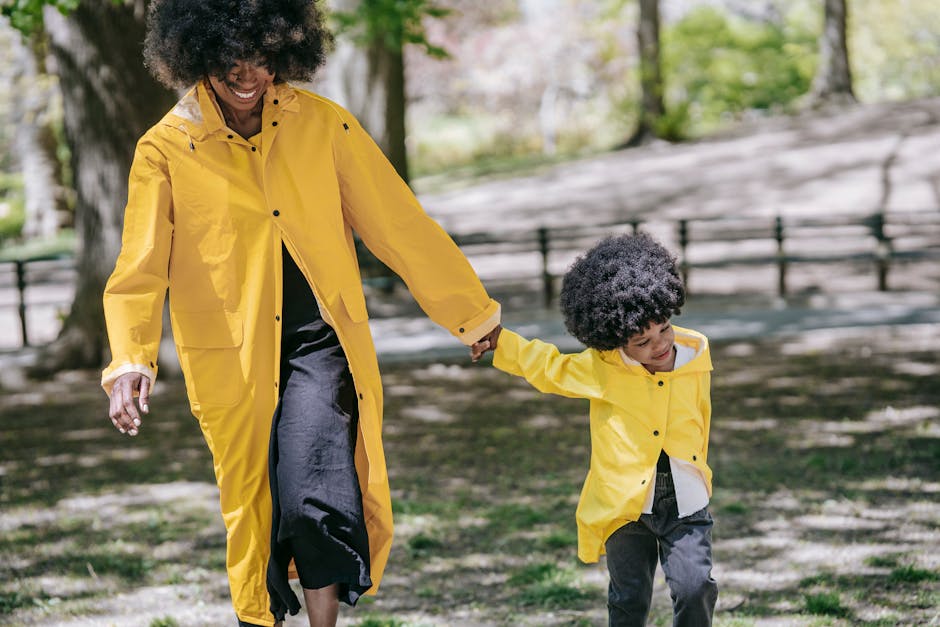
After years of trial and error, and way too much money spent on gear that failed, I’ve landed on a few genuinely effective options. My absolute preference goes to raincoats with *integrated* bag space, or at least a design that explicitly accommodates a backpack. This isn’t just about being oversized; it’s about smart design. The goal is to keep your bag dry without looking like you’re wearing a tent, and without making access a chore. I focus on jackets that combine genuine waterproofing with practical features for someone who actually carries things.
The Clear Winner for Daily Commutes
For me, the **Decathlon Forclaz Trek 900 Rain Jacket** (around $100-$130, depending on sales) has been an absolute . It’s designed for trekking, which means it’s built to accommodate a backpack. The standout feature is its expandable back panel. There’s a zip that, when opened, creates a significant amount of extra room in the back, specifically designed to go *over* a backpack up to about 60 liters. This isn’t just a loose fit; it’s a structural expansion. It means your backpack is completely covered, top to bottom, by the same waterproof fabric as the rest of the jacket. The jacket itself is a 3-layer component with a 20,000mm waterproof rating and good breathability (RET <6 m²Pa/W), which is excellent for its price point. I've worn it in torrential downpours with a fully loaded backpack, and everything inside stayed bone dry. It's got adjustable cuffs, a storm hood that fits over a helmet, and pit zips for ventilation. This jacket solves the problem elegantly and affordably.
A Strong Contender for Cyclists
If you’re primarily a cyclist who needs to cover both yourself and your bag, the **Vaude Luminum Performance Jacket** (typically $150-$200) is another excellent choice, or even their specific cycling ponchos like the **Valdipino Poncho** (around $100). The Luminum Performance Jacket isn’t explicitly ‘expandable’ in the same way as the Decathlon, but it’s cut very generously in the back and shoulders specifically to go over a cycling backpack. Vaude’s commitment to eco-friendly, technical outdoor gear means their waterproofing (often a Ceplex Green membrane with 15,000mm or 20,000mm) and breathability are top-notch. Crucially, the fit allows for full cycling posture without pulling, and the dropped tail provides excellent coverage. The Valdipino Poncho, while a poncho, is a far cry from the flimsy plastic type. It’s designed for cycling, with hand straps to keep it from flapping, reflective elements, and enough room to easily cover a large messenger bag or backpack. It’s also very quick to put on and take off, which is a huge bonus for short, unexpected showers on your bike commute.
Understanding Waterproof Ratings and Fabric Types
When you’re shopping for a raincoat, the numbers and terms can be confusing. I’ve made the mistake of buying something that claimed to be "waterproof" only to find out it meant "water-resistant" in a real storm. There’s a huge difference, and knowing what to look for will save you a lot of grief. Don’t just trust the marketing; look for the specs. These details tell you exactly how much protection you’re getting, and whether it’s truly suitable for your needs. It’s about more than just keeping water out; it’s also about staying comfortable from the inside.
Demystifying MM and DWR Coatings
The main measure of a fabric’s waterproofing is its hydrostatic head rating, expressed in millimeters (mm). This number tells you how tall a column of water a fabric can withstand before water starts to seep through. For light rain, 5,000mm might be okay. For serious downpours and extended exposure, you want something in the 10,000mm to 20,000mm range. My preferred jackets, like the Decathlon Forclaz Trek 900, hit 20,000mm, which is excellent for sustained heavy rain. Brands like Gore-Tex typically offer 28,000mm, setting a high standard. Another critical factor is the DWR (Durable Water Repellent) coating. This is the first line of defense; it makes water bead up and roll off the fabric’s surface. A good DWR keeps the outer fabric from wetting out, which maintains breathability and prevents the jacket from feeling heavy and clammy. Over time, DWR wears off, but you can usually reactivate it with heat or reapply it with wash-in or spray-on treatments. Regularly maintaining your DWR is crucial for the longevity and performance of your waterproof jacket.
Why Breathability Matters More Than You Think
Waterproofing is important, but if a jacket isn’t breathable, you’ll end up soaked from the inside by your own sweat. This is where many cheaper "waterproof" options fail. Breathability is often measured in RET (Resistance to Evaporative Heat Transfer), where a lower number indicates better breathability, or MVTR (Moisture Vapor Transmission Rate), where a higher number is better. For moderate activity, I look for a RET of 10 or lower, or an MVTR of at least 10,000 g/m²/24h. The Decathlon Forclaz Trek 900, with its RET <6, is very breathable for its price. High-end fabrics like Gore-Tex Pro offer RET values as low as 3-4. Good breathability means that while rain stays out, your body’s moisture vapor can escape, preventing that clammy, uncomfortable feeling. This is especially important if you’re walking briskly, cycling, or carrying a heavy bag, as you’ll generate more heat and sweat. Don’t underestimate this; a non-breathable jacket is just a glorified plastic bag.
The "Over-the-Bag" Raincoat: A Smart Alternative

Sometimes, a jacket with integrated expansion isn’t quite what you need, or you might have different sized bags on different days. This is where the "over-the-bag" raincoat design comes in. These are not just any oversized jackets; they are specifically cut to be worn over both you and a significant backpack, often designed with features that make this practical. I’ve found these to be incredibly versatile and a great solution for those who want maximum coverage without a complex system.
-
Key Features to Look For
When evaluating an over-the-bag raincoat, pay attention to these specifics:
- Generous Back Panel: The jacket needs a significantly longer and wider back panel than the front. This prevents the jacket from riding up over the top of your backpack when you move, ensuring full coverage.
- Extended Length: It should extend well past your hips, ideally covering part of your thighs, especially if you’re cycling. This prevents water from running off the jacket onto your legs and backpack bottom.
- Articulated Sleeves: Crucial for mobility. Sleeves should be long enough and cut to prevent them from pulling up when you reach forward or cycle, keeping your wrists dry.
- Adjustable Hood: A hood that can easily go over a helmet (if you cycle) and cinch down tightly around your face without restricting peripheral vision is non-negotiable.
- Ventilation: Because these jackets tend to be larger, good ventilation (pit zips, mesh liners) is important to prevent overheating.
- Durable Fabric: Since it will be stretched over a bag, the fabric needs to be tough enough to withstand abrasion. Look for ripstop nylon or polyester.
-
My Personal Go-To Brands
While I love the Decathlon expandable system, for a pure "over-the-bag" fit, I often turn to a few specific brands. **Cleverhood ponchos** (ranging from $190-$290) are premium options designed specifically for urban cyclists. They aren’t traditional jackets, but they are purpose-built to cover both rider and backpack/messenger bag with ample room. They use high-quality waterproof and breathable fabrics (like PTFE membranes) and feature elastic thumb loops to keep the front from flying up, plus reflective piping for safety. They are an investment but incredibly effective and stylish. For a more conventional jacket, I’ve had good luck with some **Patagonia Torrentshell** (around $170) models in an upsized fit, or **Arc’teryx Beta LT** (around $450) if budget allows for extreme performance. These higher-end shells, while not specifically designed for *backpack expansion*, often have a very generous cut and can comfortably accommodate a smaller daypack underneath if you size up. The key is their robust waterproofing and excellent articulation, making them effective even when stretched slightly over a bag. Always try these on with your typical backpack to ensure the fit is right.
Comparison: Dedicated Bag Space vs. Oversized Fit
It’s easy to think an oversized jacket will solve all your problems, but there are distinct differences between a truly dedicated bag-space raincoat and simply sizing up. I’ve been down both roads, and the experience is not the same. Understanding these distinctions will help you make a more informed choice that genuinely meets your needs, rather than just getting by.
| Feature | Dedicated Bag Space Raincoat (e.g., Decathlon Forclaz Trek 900) | Oversized Fit Raincoat (e.g., Patagonia Torrentshell, sized up) |
|---|---|---|
| Fit & Coverage | Designed to expand over a specific backpack size (e.g., up to 60L). Maintains natural drape on the body when no bag is present. Full, seamless coverage of bag. | Loose, baggy fit all around. May not fully cover the bottom or sides of a large backpack, especially when moving. Can look bulky. |
| Comfort & Mobility | Engineered articulation for movement with a bag. Fabric moves with bag, reducing snagging. Less restrictive without a bag. | Excess fabric can flap, catch wind, or snag. Can feel cumbersome, especially when not carrying a bag. Limited specific articulation for backpack. |
| Aesthetics | Looks like a regular jacket when the expansion is zipped. More tailored appearance. | Always looks larger than your body. Can appear less polished. |
| Waterproofing Integrity | Seamless waterproof barrier over the bag. Less chance of water ingress at stress points. | Stretching fabric over a large bag can put stress on seams, potentially compromising waterproofing over time. Bottom of bag often exposed. |
| Price Range | Often mid-range ($100-$200) for specialized features. | Varies widely, from budget to premium, but the "oversized" aspect doesn’t add cost. |
My take? If you regularly carry a backpack in the rain, a jacket with dedicated bag space is almost always superior. It’s purpose-built for the task, leading to better coverage, comfort, and overall protection for your gear. An oversized jacket is a compromise; it might work for a small bag or light rain, but it won’t give you the same peace of mind or functional benefits as a jacket engineered for the job.
Don’t Fall for These Common Raincoat Traps
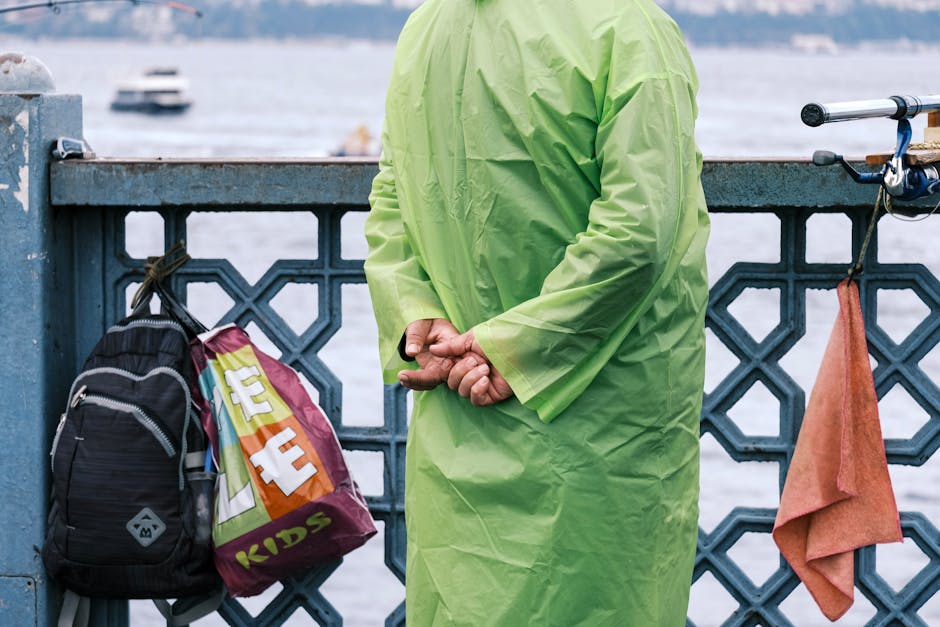
After years of commuting in various climates, I’ve seen countless people make the same mistakes, and I’ve certainly made them myself. Avoid the trap of prioritizing fashion over function when it comes to rain gear. Don’t buy a "water-resistant" jacket if you need true waterproofing. And absolutely do not assume a stylish, slim-cut jacket will ever comfortably accommodate a backpack without pulling uncomfortably or leaving your bag exposed. You’ll end up wet and frustrated.
So, what’s the resolution to that soggy commute scenario? It’s simple: invest in gear that actually solves the problem, not just covers it up. My laptop, my lunch, and my sanity are all much drier these days because I finally learned that a proper raincoat with integrated or intentional bag space is non-negotiable for anyone navigating the city in unpredictable weather. It’s the difference between shrugging off a downpour and arriving at your destination feeling like you just swam there.