Feeling overwhelmed trying to keep up with what’s next in style? How do you actually update your wardrobe for 2026 without a complete overhaul? It’s about understanding the core shifts. We’ll break down the key aesthetics defining the upcoming year and give you actionable ways to integrate them into your daily dressing.
The New Minimalism: Structure and Subtlety
Minimalism for 2026 isn’t just about plain clothes. It’s a precise aesthetic focused on refined cuts, luxurious textures, and a deliberate sense of calm. Think of it as "quiet luxury" evolving into "considered dressing." This trend emphasizes longevity and versatility, making it a smart choice for anyone building a functional, stylish wardrobe. It’s less about making a statement with overt branding and more about the impeccable quality and fit of each piece. Designers like Prada and Loewe have been championing this direction, focusing on form and fabric over flash. This approach requires a sharp eye for detail, from the stitching on a blazer to the drape of a dress. It asks you to invest in pieces that feel good, look good, and serve multiple purposes.
Key Silhouettes and Fabrics for 2026
For 2026, focus on clean lines and generous, yet controlled, volumes. Tailored wide-leg trousers are essential. Look for a high waist that cinches, then falls straight or with a subtle flare. Oversized blazers remain strong, but with a more structured shoulder and a slightly longer cut, grazing the upper thigh. Skirts lean towards column styles or subtle A-lines, often midi or maxi length, in materials that hold their shape. When it comes to fabrics, quality is . Expect to see refined wool blends, crisp organic cottons, and fluid cupro or Tencel for drapes. Heavy linen blends also feature prominently, offering texture without sacrificing a clean finish. The goal is a polished, effortless appearance that speaks to an understanding of sophisticated design. Avoid anything overly stretchy or clingy. The fabric should feel substantial.
Adopting a Neutral Palette Smartly
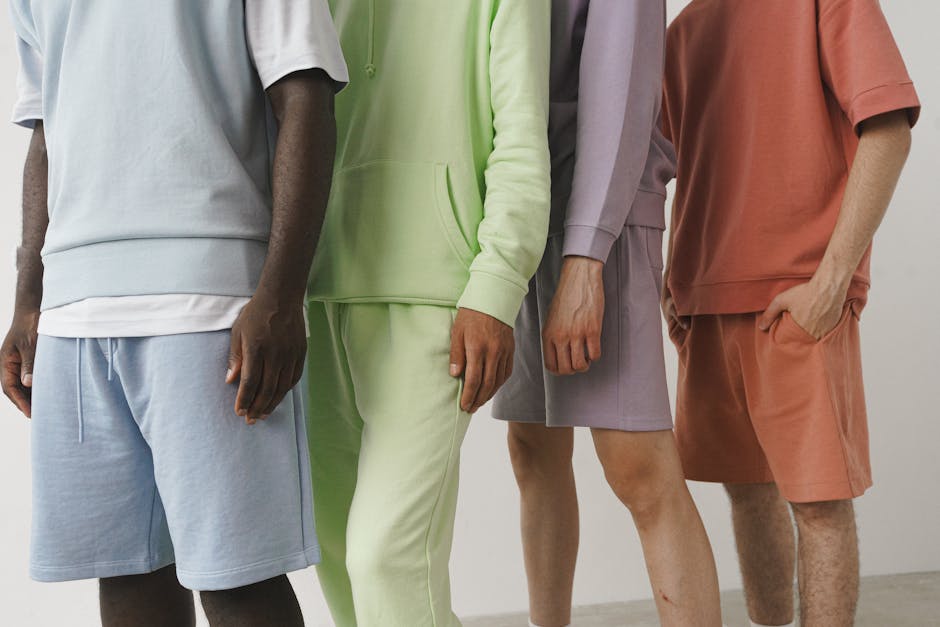
The core of 2026 minimalism relies on a sophisticated neutral palette. This isn’t just beige. Think deep charcoals, rich navies, true creams, and varying shades of slate grey. Incorporate warmer neutrals like camel and olive green. The trick is to play with the *tones* and *textures* within these neutrals. For example, pair a matte charcoal wool blazer with a silk cream camisole and tailored navy trousers. The varying textures add depth without introducing new colors. Accent colors, if used, are very subtle—perhaps a deep burgundy accessory or a forest green sweater under a grey coat. The overall effect should be harmonious and understated. This careful selection ensures pieces work together seamlessly, maximizing your outfit options.
Layering Techniques for a Refined Look
Layering is key to mastering the new minimalism. It adds complexity and visual interest while adhering to the streamlined aesthetic. Start with a thin, high-quality base layer, such as a fitted long-sleeve top or a silk camisole. Over this, add a crisp button-down shirt, leaving it unbuttoned or partially tucked. Then, layer with a structured blazer or an elegant cardigan in a complementary neutral. For colder days, a well-cut trench coat or a wool overcoat completes the look. The key is to ensure each layer fits well on its own and doesn’t add unnecessary bulk. Experiment with different lengths—a longer shirt peeking out from under a shorter sweater, for instance—to create dynamic lines.
Utility Wear’s Evolution: Beyond Cargo Pockets
Utility wear in 2026 moves past simple tactical aesthetics. It’s about functional design integrated into elevated fashion. Think refined technical fabrics, clever storage solutions, and silhouettes that prioritize movement and practicality without sacrificing style. This is not about dressing for a hike (though some elements borrow from outdoor gear), but about infusing everyday clothing with practical resilience. Brands like Stone Island and Arc’teryx have influenced this shift, showing how high-performance materials and thoughtful design can translate into urban environments. The focus is on smart details that serve a purpose, rather than purely decorative elements.
Essential Utility Garments
- Structured Overalls and Jumpsuits: Look for pieces in durable twill or canvas, often with a relaxed fit but defined waistlines. These are the ultimate one-and-done outfits.
- Multi-Pocketed Outerwear: Jackets and vests featuring intelligently placed, often concealed, pockets. Think minimalist design with maximum functionality. Materials like ripstop nylon or treated cotton are common.
- Technical Trousers: Pants with elasticated waists, drawstring cuffs, or subtle knee reinforcements. They offer comfort and resilience, often made from stretch-infused twill or lightweight technical blends.
- Workwear-Inspired Shirts: Button-downs with reinforced elbows, chest pockets, and durable stitching. Often in heavyweight cotton or denim, perfect for layering.
Fabric Choices for Durability and Style
The materials driving 2026 utility wear are a blend of classic durability and modern innovation. Heavyweight cotton twill remains a staple for its robustness and natural feel. Consider organic cotton twill for a sustainable edge. For outerwear and more technical pieces, look for ripstop nylon or treated polyester blends that offer water resistance and wind protection without a bulky feel. Some innovative textiles include recycled nylons and performance blends that incorporate stretch for greater mobility. The goal is clothing that can withstand daily wear and tear while still looking polished. Pay attention to fabric weight; heavier fabrics provide better structure and longevity, crucial for this trend.
Reimagining Retro: Which Eras Matter Now?
Retro influences are always cycling back, but 2026 sees a specific reinterpretation of two distinct decades: the easy-going 70s and the raw, individualistic 90s. Neither is a direct costume replication. Instead, designers are pulling specific elements and blending them with contemporary cuts and materials. This means you won’t be wearing full head-to-toe vintage. You’ll be picking key silhouettes or patterns and making them feel fresh. The challenge is to avoid looking dated. It’s about selective adoption, not imitation.
| Retro Era | Key Silhouettes for 2026 | Fabric & Texture Focus | Modern Integration Tip |
|---|---|---|---|
| 70s Revival | Flared trousers, oversized collars, midi A-line skirts, relaxed tailoring. | Corduroy, suede, printed silks, chunky knits, synthetic blends. | Pair a single 70s-inspired piece (e.g., a wide-collar shirt) with minimalist, modern items (e.g., straight-leg trousers, simple loafers). |
| 90s Grunge-Luxe | Slightly baggy denim, slip dresses, oversized flannel, minimalist straight-cut trousers, baby tees. | Washed denim, silk satin, fine gauge knitwear, cotton jersey, plaid wool. | Elevate 90s basics with premium materials. Wear a silk slip dress with a tailored blazer, or a clean-cut baby tee with structured wide-leg pants. |
Key Elements of 70s Revival
For the 70s, focus on fluid lines and earthy tones. Flared jeans or trousers, specifically, are making a strong comeback, but with a more refined fit through the thigh. Oversized shirt collars, often with a sharp point, can be incorporated into shirts or knitwear. Suede remains a crucial texture, appearing in jackets, skirts, and even subtle trim on accessories. Embrace rich, warm color palettes like burnt orange, deep brown, mustard yellow, and olive green. Avoid polyester leisure suits; instead, look for quality corduroy trousers, a well-cut suede jacket, or a silk blouse with an interesting print. Think less disco, more sophisticated bohemian.
The Enduring Appeal of 90s Grunge-Luxe
The 90s influence in 2026 is less about pure grunge and more about its minimalist, slightly deconstructed side, often elevated with luxurious materials. Think Gucci’s recent takes on slip dresses or Miu Miu’s playful yet refined use of proportion. Straight-leg, slightly baggy denim is key, often in a darker wash or a faded, worn-in look. Slip dresses, usually in silk or satin, are worn layered over t-shirts or under chunky knit cardigans. The color palette is often muted: black, grey, white, and faded blues, with occasional pops of jewel tones. The key is balance: a distressed element paired with something incredibly refined. This isn’t about looking sloppy; it’s about an intentional, understated rebellion.
Sustainable Fashion: Practical Steps for Your Wardrobe
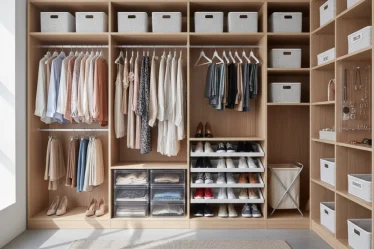
Integrating sustainable practices into your fashion choices is not just a trend; it’s a critical shift. It requires informed decisions and a focus on longevity over fast consumption. For 2026, the emphasis is on conscious curation. This means moving beyond just buying "eco-friendly" labels and truly understanding the lifecycle of your clothing. It’s about extending the life of what you own and making thoughtful new acquisitions.
How can I identify truly sustainable brands?
Identifying genuinely sustainable brands requires looking beyond greenwashing. First, check for transparency reports on their websites. A reputable brand will openly share information about their supply chain, material sourcing, and labor practices. Look for certifications from recognized organizations like GOTS (Global Organic Textile Standard) for organic materials, Fair Trade for ethical labor, or bluesign for chemical management. Research their core values; do they prioritize circularity, using recycled materials and designing for recyclability? Do they offer repair services or take-back programs? Avoid brands that make vague claims without supporting data. A truly sustainable brand will have verifiable proof and be open about their progress and challenges.
What are the best ways to extend garment life?
Extending garment life is the most impactful sustainable action you can take. Start with proper care: always read washing labels. Wash clothes less frequently, use cold water, and air dry whenever possible. This saves energy and prevents fabric degradation. Learn basic mending skills—sewing a button, fixing a loose hem. Small repairs prevent items from being discarded prematurely. Store clothes correctly: fold knitwear to prevent stretching, use padded hangers for delicate items. Rotate your wardrobe to prevent over-wearing favorite pieces. Consider professional cleaning for items that require it to maintain their structure and finish. The longer an item stays in your closet and out of a landfill, the better.
Is secondhand shopping always the best option?
Secondhand shopping is generally an excellent option for sustainability, but it’s not without nuances. It significantly reduces the demand for new production and keeps garments out of landfills. Online platforms like Vestiaire Collective or local consignment shops offer curated selections, while thrift stores provide more affordable access to unique finds. The key is to buy what you truly need and will wear. Avoid buying items just because they’re cheap or seem like a "deal" if they don’t fit your style or wardrobe gaps. Over-consuming secondhand items still contributes to clutter and waste if they’re never worn. Focus on quality pieces that fill a genuine need in your wardrobe, regardless of whether they’re new or used.
The Rise of Artisanal Touches: Handcrafted Details
My clear recommendation for a standout trend in 2026 is to embrace artisanal touches. This isn’t about rustic, homespun items. It’s about an appreciation for craftsmanship, unique details, and the story behind a garment. Think subtle hand-embroidery, intricate beadwork, custom hardware, or unique fabric manipulations that cannot be mass-produced. This trend pushes back against the uniformity of fast fashion, offering pieces that feel personal and distinct. It suggests a more thoughtful relationship with what you wear, valuing the skill and time invested in its creation. These are often conversation starters, adding a layer of depth to even the simplest outfit.
Incorporating Unique Embellishments
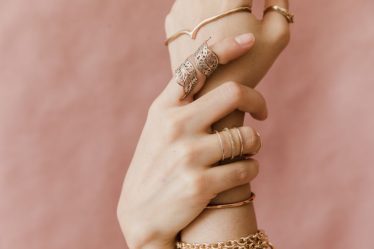
To integrate artisanal touches, look for garments that feature subtle, handcrafted embellishments. This could be a finely embroidered collar on a simple blouse, a jacket with intricate patchwork, or a pair of jeans with hand-painted details. It’s about finding pieces where the human touch is evident. Consider accessories as a starting point: a hand-woven bag, a necklace with unique ceramic beads, or shoes with artisanal leather tooling. These details add character and individuality to your look without dominating it. The aim is to create visual interest through texture and intricate work, rather than bold patterns or excessive ornamentation. These pieces often become cherished items in a wardrobe.
Supporting Craftsmanship in 2026
Supporting craftsmanship means seeking out designers and brands that explicitly value and promote traditional skills or independent artisans. Look for labels that highlight their production process, whether it’s hand-weaving, natural dyeing, or intricate hand-finishing. Online marketplaces often feature independent designers creating unique, limited-edition pieces. Visiting local craft markets or artisan studios can also unearth one-of-a-kind items. While these pieces might come with a higher price tag, they represent an investment in quality, originality, and ethical production. They often boast superior durability and timeless appeal, making them sustainable choices in the long run. Invest in pieces that tell a story.
For 2026, focus on building a wardrobe with purpose. Prioritize quality over quantity, embrace thoughtful design, and choose pieces that reflect your individual style rather than fleeting fads. Start by identifying one trend, like refined minimalism, and invest in a single, high-quality piece—perhaps a tailored wide-leg trouser in a neutral tone. Then, build around it.