
The August Dress Formula: Shade, Airflow, and Shape
Choose fabric by the way you spend the day
Fabric decides if a vintage-inspired dress feels elegant or exhausting. Linen releases heat quickly and gains character as it wrinkles, but it can look rumpled after a long train ride. Cotton poplin keeps a crisp shape and handles washing well, though thick poplin can feel warm under direct sun. Lightweight cotton voile feels soft and airy, but it may need a slip and can lose its shape faster. Rayon and viscose drape beautifully, yet they often cling when humidity rises. For a full August day, cotton poplin or a light cotton-linen blend is the safest choice. For a hot outdoor event, choose a loose linen shape and accept a few creases.
Use contrast to stop a retro print from taking over
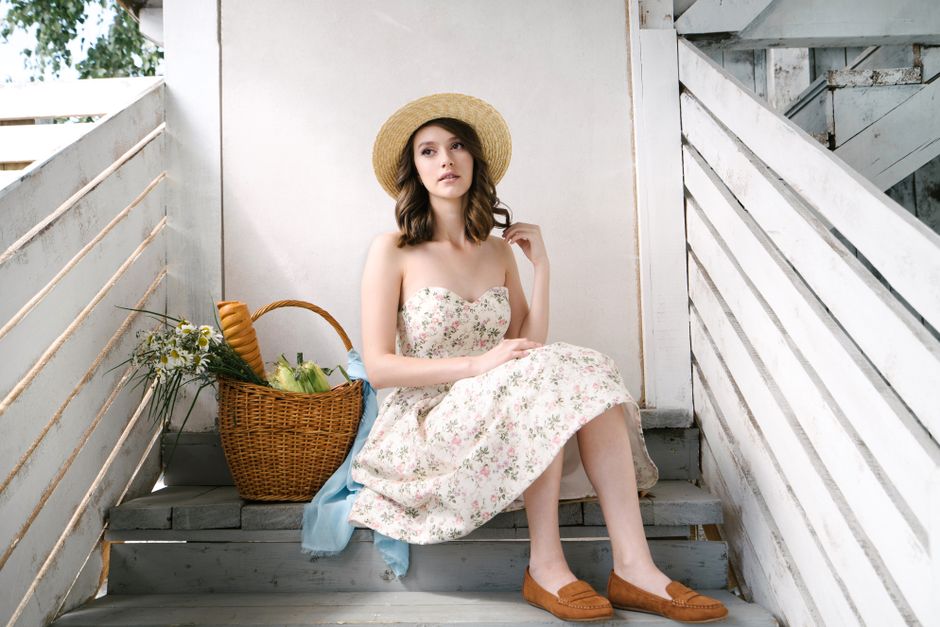
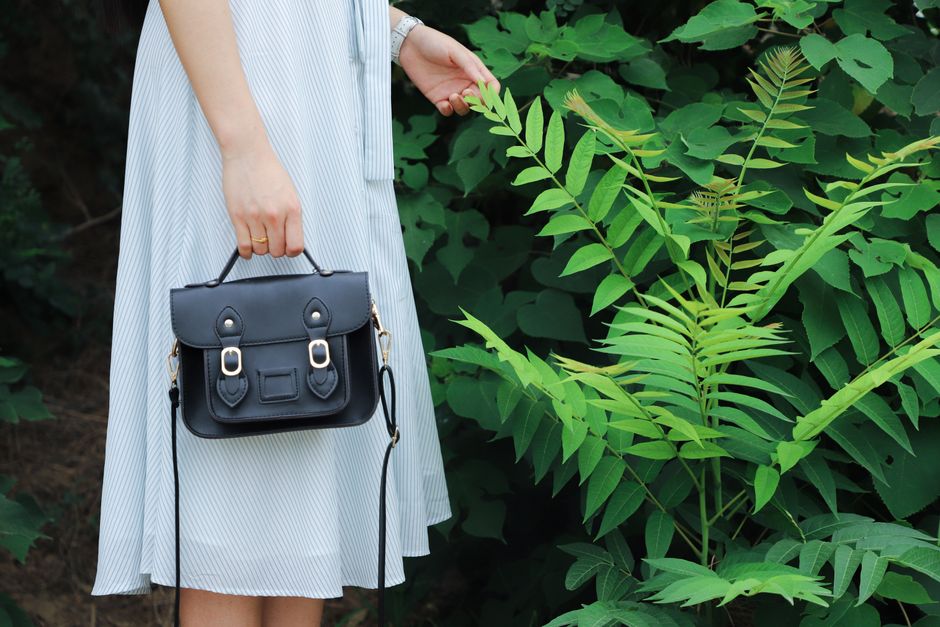
Small florals, gingham, border prints, and muted checks naturally point backward. Balance them with a modern element that has a different visual language. A narrow black sandal sharpens a floral midi. A smooth leather shoulder bag makes a gathered bodice feel less sweet. Dark sunglasses can give a pale cotton dress enough edge for the city. Keep the color contrast simple. If the dress uses three strong colors, select accessories in black, tan, or cream rather than adding another print.
Find the shape that survives heat
A fitted bodice with a skirt that starts at the natural waist creates the strongest vintage reference, but the fit should not compress the ribs. Leave roughly one finger of ease at the waist when standing and enough room to sit without the buttons pulling. A midi hem that lands between the lower calf and ankle looks current and keeps the leg line long. A square neckline, straight shoulder, or clean back opening can modernize a fuller skirt in seconds. The best August silhouette has one defined point, such as the waist or neckline, while the rest of the dress moves easily.
How to Modernize a Vintage Silhouette Before Leaving Home
Use this five-step styling check
- Pick the dominant reference. Decide if the dress reads as 1940s, 1950s, 1960s, or 1970s. Do not repeat that decade in every accessory.
- Check the hem in motion. Walk up stairs, sit in a chair, and take a long stride. A dress that only looks good while standing still will become a nuisance by midafternoon.
- Remove one sweet detail. If the dress has puff sleeves and a bow, skip the pearl necklace. If it has a floral border and a full skirt, choose plain sandals.
- Add one straight line. A rectangular bag, slim belt, clean sunglasses, or square-toe sandal gives the outfit a sharper modern edge.
- Test the temperature. Hold the fabric against your forearm for ten seconds. If it already feels dense or sticky indoors, August sun will make it worse.
The strongest accessory choice is often the quietest one
Vintage-inspired dresses already carry shape, color, and texture. Adding a large straw hat, stacked bangles, a neck scarf, and a basket bag can flatten all those details into one costume-like impression. Choose two accessories with different jobs: one for structure and one for ease. A leather sandal plus a small canvas tote works better than a full retro set for most daytime plans. At night, swap the tote for a compact bag and add a thin metallic earring. The outfit changes mood without needing a new dress.
Know when the retro detail is working
Stand at a distance of two or three steps from a mirror. If your eye lands on the dress shape first and the decade reference second, the styling is balanced. If the eye goes straight to the bow, novelty buttons, or exaggerated sleeve, simplify the rest. This quick check catches the most common mistake: trying to prove that the outfit is vintage-inspired. The goal is to let the influence sit in the background while the whole look feels useful now.
Five Dresses That Get the Balance Right
The product stage starts here because the selection makes sense only after the fabric and styling rules are clear. The prices below are listed US prices checked for 2026; sale prices, inventory, and return terms can change quickly.
A practical comparison of current options
The clear winners by situation
For the most modern everyday result, choose the Madewell Poplin Seamed Maxi Dress because the 52-inch length and princess seams create shape without relying on bows or a busy print. For extreme heat, the Reformation Alix Linen Dress is the stronger pick because linen gives the outfit texture while keeping the styling spare. For a distinctly vintage mood, the Sézane Pippa Dress wins, but only if you can confirm the return rules and accept the risk attached to an archive sale. The Sézane ANNALUISA is the better choice for a special evening when embroidery should be the main event. These are not interchangeable buys: each one solves a different August problem.
What Should You Buy—and What Should You Skip?
Is a full skirt automatically too retro?
No. A full skirt looks current when the waist sits in the right place, the fabric moves instead of standing away from the body, and the shoes have a clean shape. Skip the full skirt if you dislike fabric around your legs or spend the day cycling, climbing stairs, or carrying a large bag. A straighter midi will serve you better. For everyone else, keep the top half simple and avoid matching the skirt with a vintage cardigan, headband, and round-toe shoes.
When should you skip linen?
Skip linen when visible creasing will bother you more than the heat relief will help. It also makes less sense for a long commute that ends in a formal meeting. Cotton poplin is the better alternative because it keeps a sharper line and usually survives machine washing with less fuss. The Reformation Alix Linen Dress makes sense for travel, outdoor lunches, and relaxed evenings; it is not the best answer for someone who wants a pressed look from breakfast through midnight.
Can a sale dress still be a smart purchase?
Only after you check the return policy, measurements, and fabric weight. The Sézane Pippa Dress may look like the obvious bargain at the archive price, but a final-sale dress is expensive if the shoulders pull or the skirt sits awkwardly. Measure a dress you already own from shoulder to hem and across the waist, then compare those numbers with the product chart. If the fit is uncertain, the full-price option with a workable return policy is the smarter purchase. A discount cannot repair a bad shoulder seam.
The Modern Vintage Test Before You Check Out
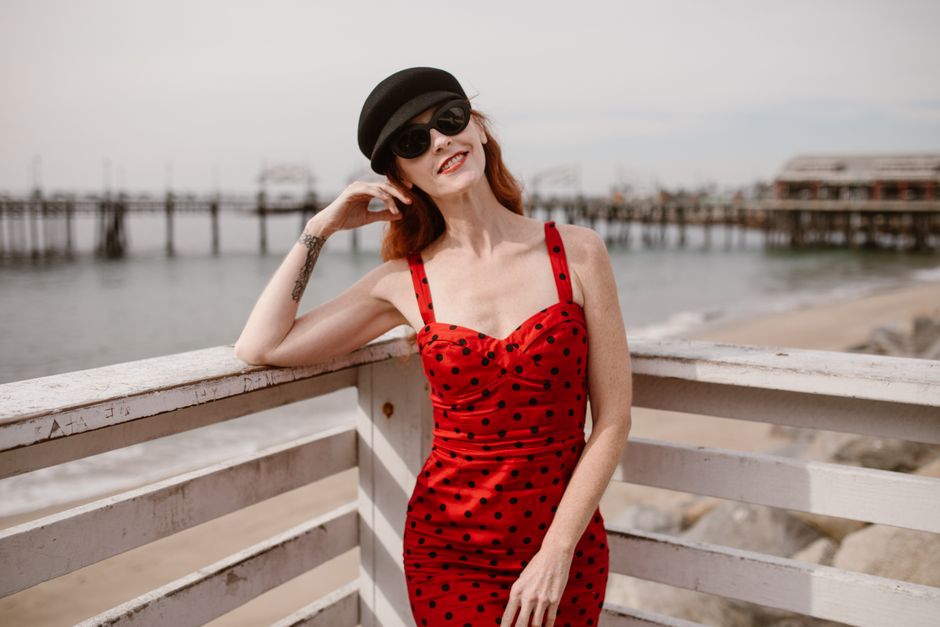
My strongest recommendation is simple: buy the dress with the cleanest shape, then let one vintage detail carry the mood. That rule produces outfits you can wear beyond a themed event and makes the purchase more useful after August ends.
Run these checks before paying
- Look for at least one breathable fiber, such as linen, cotton, or a cotton blend with a light hand.
- Check the lining. A fully lined dress can feel polished, but a heavy synthetic lining may trap heat.
- Measure the waist and bust of a dress you own rather than guessing from a familiar size number.
- Ask if you can style the dress with plain sandals, sneakers, or a short jacket. If it needs matching accessories, it has limited range.
- Check transparency in daylight, especially with white cotton, pale linen, and open-weave fabric.
- Read the care label before buying. A dress that needs dry cleaning after every hot day will not become a true wardrobe favorite.
The final verdict for August
Vintage-inspired summer dresses work best when they borrow proportion, color, or texture from the past while keeping the practical parts current. That means softer fabric, easier movement, a useful hem, and accessories with less decoration. Choose cotton poplin for crisp repeat wear, linen for heat and relaxed travel, and embroidery or a small floral print when you want romance. The category is moving toward better everyday design: recognizable references, lighter fabrics, and shapes that do more than pose for a photograph. That is good news for anyone who wants summer clothes with history but no costume attached.