

What should you wear snow tubing when the forecast says 25°F, the hill is wet, and you know you will spend half the day sitting in the snow? The wrong outfit leaves you with soaked jeans, frozen fingers, and boots full of slush before your second run. The right outfit keeps you warm without making it hard to climb, sit, twist, or pull a tube uphill. Snow tubing is not a runway, but you can still look put together. Start with a close-fitting base layer, add flexible insulation, and finish with waterproof outerwear that can handle repeated contact with packed snow.
The right snow tubing outfit starts with three layers
The best snow tubing outfit manages three problems at once: body heat, moisture, and movement. You need a fabric next to your skin that dries quickly, a middle layer that traps warm air, and an outer layer that blocks wind and melting snow.
| Layer | Best fabric | What it does | What to avoid |
|---|---|---|---|
| Base | Merino wool or synthetic knit | Moves sweat away from the skin | Cotton T-shirts and denim |
| Middle | Fleece, wool, or light synthetic insulation | Holds warm air around the body | A bulky layer that restricts your arms |
| Outer | Waterproof nylon or polyester | Stops wind, wet snow, and slush | Fashion coats with no sealed protection |
| Hands and feet | Waterproof gloves and insulated boots | Protects the areas that lose comfort first | Thin knit gloves and casual sneakers |
The clear winner is a three-layer system, not one giant sweater under a heavy coat. Three thinner pieces give you control. You can remove the middle layer in a heated lodge, then put it back on before the next run. That flexibility matters because walking uphill makes you warm while sitting on a tube exposes you to cold wind.
Why cotton and casual jeans fail on the tubing hill
Snow tubing looks less demanding than skiing, but your clothing faces a rough cycle: walk uphill, sit on cold snow, slide through wind, stand in a lift line, then repeat. That cycle creates sweat inside your clothes and moisture outside them. Cotton absorbs both. Once cotton becomes damp, it dries slowly and loses much of its comfort. Jeans cause the same problem. Denim feels sturdy in a city, but it becomes cold, heavy, and stiff after contact with wet snow.
Choose fabric by what happens after you get wet
Merino wool can absorb some moisture while still feeling warm, which makes it a strong choice for a long tubing session. Synthetic fabrics such as polyester dry faster and usually cost less. A thin merino or synthetic top works better than a thick cotton sweatshirt because it keeps sweat away from your skin. For your legs, thermal leggings or synthetic long underwear create warmth without the bunching that comes from wearing several pairs of ordinary pants.
Leave room for movement, not empty space
Your clothes should feel close to your body at the base layer and relaxed through the insulation layer. Oversized clothing creates cold gaps around your waist and wrists. Clothing that fits too tightly compresses insulation and makes it harder to bend your knees. Test the outfit before you leave: sit in a chair, raise both arms, squat, and rotate your shoulders. If the coat rides up or the pants pull across your knees, the outfit will feel worse on the hill.
Use a neck gaiter instead of a loose scarf. A scarf can drag in the snow or catch on equipment, while a fleece gaiter seals the gap between your jacket and face. Keep your hood adjustable so it stays on during the ride without blocking side vision.
The clothing pieces that make the biggest difference
Once the layering plan is set, spend money on the pieces that touch snow most often. The jacket brand matters less than the outer fabric, fit, and coverage below the waist.
- Start with a real thermal base layer. The Smartwool Classic Thermal Merino Base Layer Crew costs about $115 and uses a 100% merino knit around 250 g/m². It suits people who run cold or plan to stay outside for several hours. The Patagonia Capilene Midweight Crew, usually about $79, gives you a lighter synthetic option that dries quickly after a sweaty climb. For most casual tubing days, the Patagonia layer is the better value.
- Use a mid-layer that compresses easily. A simple fleece pullover works better than a thick cotton hoodie. The Columbia Steens Mountain Half Snap Fleece costs about $45 and adds warmth without creating much bulk beneath a jacket. Choose a full-zip fleece if you expect to move between an outdoor line and a heated lodge.
- Cover your legs with insulated snow pants. The North Face Freedom Insulated Pants cost about $129 and combine a waterproof outer shell with synthetic insulation and adjustable ankle openings. They offer better protection than leggings under regular trousers because the seat and knees stay covered when you sit in the tube. For a warmer day, choose shell snow pants over insulated pants and keep thermal leggings underneath.
- Wear boots with traction and a waterproof upper. The Columbia Bugaboot III XTM costs about $150 and gives you a tall, insulated boot with a grippy sole. It is the strongest choice here for wet snow and long walks uphill. Casual winter sneakers may look lighter, but they let cold water enter at the sole and usually lack enough tread for packed snow.
- Protect your hands with mittens. The Burton Profile Under Mitt costs about $59 and keeps fingers together, which helps retain heat better than separate gloves. Add thin liner gloves if you need to use your phone. Do not wear cotton gloves under waterproof mittens; they hold sweat against your hands.
Prices vary by retailer and season, but the buying order stays the same: waterproof pants, warm boots, then hand protection. A stylish coat cannot rescue wet denim or thin shoes.
Snow tubing outfit questions that change the answer
Can you wear a puffer jacket snow tubing?
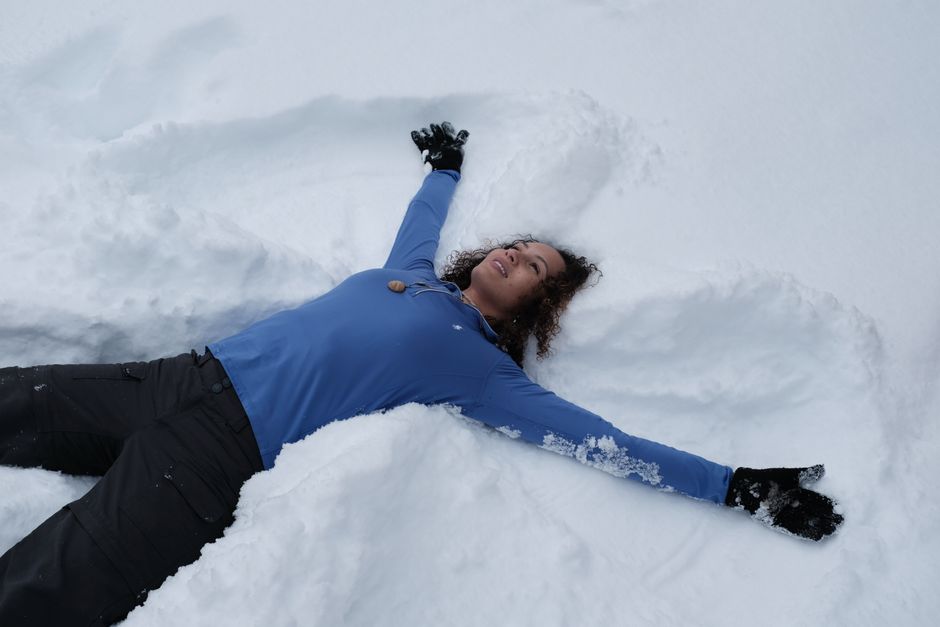
Yes, if the puffer has a water-resistant shell and enough room for a base layer. A short fashion puffer can expose your lower back when you sit, so choose a hip-length cut with an adjustable hem. Down works well in dry cold but loses warmth when wet. Synthetic insulation gives you safer performance if the forecast includes wet snow or rain.
Do you need snow pants for one afternoon?
For a dry, mild day above 35°F, water-resistant hiking pants over thermal leggings may work. For temperatures near freezing or below, snow pants are the better choice. You will sit directly on snow, and the back of your legs will contact the tube for every run. Waterproof pants also protect your regular clothing from salt, slush, and dirty snow at the base of the hill.
What should children wear for snow tubing?
Children need the same three layers, but fit matters even more. Avoid sleeves and pant legs that drag near the ground. Use a helmet if the tubing center requires one, and make sure the hood fits around it without covering the eyes. Pack one spare pair of socks and gloves. Wet gloves can ruin a child’s day faster than almost any other clothing problem.
Should you wear a helmet?
Follow the tubing center’s rules first. Even when a helmet is optional, a properly fitted snow-sport helmet adds protection on crowded lanes and icy runouts. A bicycle helmet is not a perfect substitute because it may not cover the same areas or fit comfortably with winter layers. Keep the rest of the outfit streamlined so the helmet strap and hood sit flat.
The best outfit is warm, waterproof, and easy to move in

For most adults, the best snow tubing outfit is a synthetic or merino thermal top, fleece mid-layer, waterproof insulated jacket, insulated snow pants, wool-blend socks, waterproof boots, mittens, and a neck gaiter. That combination solves the real problem: repeated contact with cold, wet snow while your body temperature keeps changing.
Skip the outfit if you cannot bend your knees comfortably, if the jacket leaves your lower back exposed, or if your shoes have smooth soles. Those are not small style issues. They affect warmth, balance, and how long you can stay outside. Also skip the heavy down coat when the forecast calls for wet snow unless the shell has strong water protection. Synthetic insulation handles damp conditions with less drama.
- Put on base and middle layers before leaving home so you do not start the day cold.
- Wear wool-blend socks, but leave enough space in the boot for your toes to move.
- Close jacket cuffs over your gloves or mittens to stop snow from entering.
- Carry spare socks and gloves in a waterproof bag.
- Keep your phone in an inside pocket because battery life drops quickly in cold air.
A snow tubing outfit should look simple because every piece has a job. The strongest choices are the ones that stay dry when you sit, stretch when you climb, and keep working after several trips down the hill.