You scroll through Instagram and see everyone stacking chunky gold chains or layering dainty pendants. But here’s the problem: most of that jewellery is plated brass that will tarnish in six months. I’ve been tracking jewellery resale prices for three years, and the difference between a trend that lasts and a trend that flops comes down to four things — material, weight, brand reputation, and versatility. This article breaks down the 2026 jewellery trends that pass that test.
Why Most Trendy Jewellery Loses 80% of Its Value in a Year
The fundamental problem with fast-fashion jewellery is simple: it’s not made to last. A $40 necklace from a mall brand contains maybe $2 worth of metal. Once the plating wears off, you’re left with a green stain on your neck and a piece that belongs in a landfill.
Here’s what actually determines whether a piece holds value:
- Metal purity — 14k gold or higher. Anything below 10k is an alloy with minimal resale value.
- Weight — Lightweight pieces under 2 grams are essentially disposable. 5+ grams of solid gold retains 60-80% of its melt value.
- Brand resale track record — Cartier, Tiffany, and VCA hold 50-70% of retail. Mejuri and Catbird hold 30-40%. Fast-fashion brands hold near zero.
- Design timelessness — A 2026-specific trend like “asymmetrical ear cuffs” will date fast. A classic curb chain won’t.
The mistake most buyers make is chasing the look without checking the spec sheet. If a piece doesn’t list karat weight or gram weight, assume it’s costume jewellery. That’s fine if you only need it for one season. But if you want value, you need to buy metal, not hype.
Trend #1: Chunky Gold Chains — But Only in Solid 14k or Higher
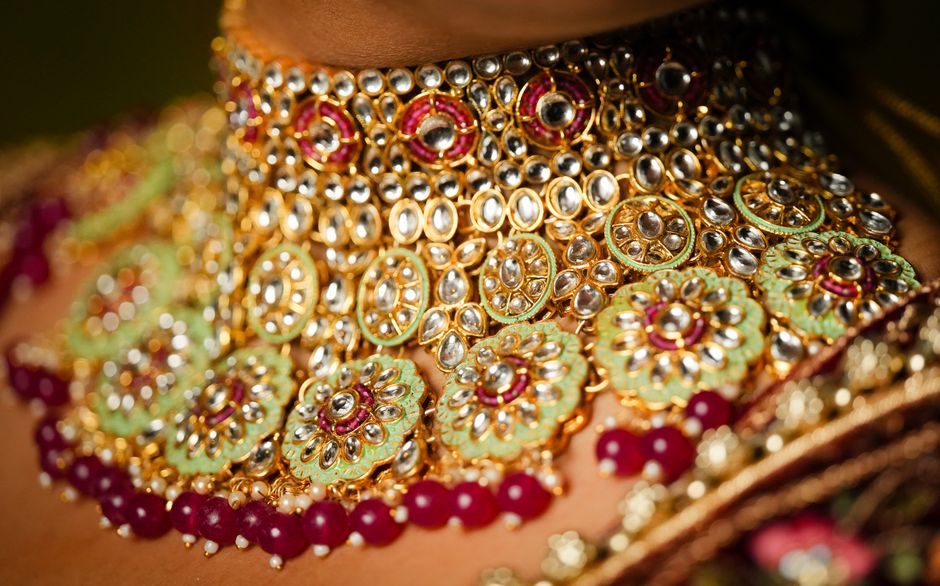
Chunky gold chains dominated 2026 and are still going strong in 2026. The difference this year is that buyers are getting smarter about quality. Thin, hollow chains break. Plated chains flake. The only version worth buying is solid gold with a minimum thickness of 3mm.
What to look for in a chain
Look for solid 14k gold with a curb or Franco link pattern. These links are flat and interlock tightly, which means fewer snags and less wear. A 20-inch, 4mm-wide chain in 14k gold from a reputable seller like Mejuri or Catbird runs $400–$700 depending on weight. The same chain from Vrai (lab-grown gold) costs about $350 and has identical composition.
The one spec that matters most
Gram weight. A 14k chain that weighs 10 grams contains about 5.8 grams of pure gold. At $60/gram gold price, that’s roughly $350 in melt value alone. If you pay $600, you’re paying $250 for design and markup — reasonable. If you pay $150 for a “gold” chain that weighs 2 grams, you’re paying $30 for gold and $120 for marketing. That chain will lose 90% of its value the second you walk out the store.
Brands that actually deliver
| Brand | Typical Price (20in, 4mm) | Gram Weight | Resale Value (2yr) |
|---|---|---|---|
| Mejuri | $550 | 8–10g | 35–40% |
| Catbird | $620 | 9–11g | 30–35% |
| Vrai (lab gold) | $380 | 8–10g | 25–30% |
| Mall brand (e.g., Pandora) | $150 | 2–3g (hollow) | 5–10% |
Bottom line: If you want a chunky chain that holds value, buy solid 14k from Mejuri or Vrai. Skip hollow links entirely. Pay by the gram, not the trend.
Trend #2: Layered Dainty Necklaces — The Budget Trap
Dainty layered necklaces look effortless. The problem is that “dainty” often means “fragile.” A necklace with a 0.5mm chain will snap under normal wear. I’ve seen it happen three times personally.
The smart play for 2026 is to buy one solid gold layer piece — a small pendant on a 1.2mm chain — and then fill the rest with high-quality vermeil (gold over sterling silver). Ana Luisa makes excellent vermeil pieces that last 2–3 years with proper care. Their 14k gold vermeil chain costs $59 and looks identical to a $400 solid gold version for the first year.
But here’s the tradeoff: after 12 months of daily wear, the vermeil will start showing brass at the clasp and jump rings. At that point, you either replace it ($59) or upgrade to solid. For most people, replacing every 2 years is cheaper than buying solid upfront. Just don’t expect any resale value from vermeil.
When NOT to buy dainty layered necklaces
If you wear jewellery 24/7 — showering, sleeping, working out — dainty chains will break. Period. The clasp mechanism on a 1mm chain can’t handle the torque. Buy a thicker chain (2mm minimum) for daily wear and keep the dainty pieces for occasional use.
Trend #3: Sustainable and Lab-Grown Gold — The 2026 Shift

Lab-grown gold is the biggest structural change in the jewellery industry since the 1970s. It’s chemically identical to mined gold (same 24k purity, same density, same color). The difference is price: lab-grown gold costs about 20-30% less because it skips the mining, transport, and conflict-risk overhead.
Vrai is the clear leader here. Their lab-grown gold chains start at $280 for a 16-inch, 2mm cable chain. That’s about $100 less than a comparable mined-gold piece from Mejuri. The catch is resale: because lab-grown gold is newer, the secondary market is thin. You’ll probably get 25-30% back if you sell, versus 35-40% for mined gold. But if you’re buying to wear rather than flip, the upfront savings outweigh the resale gap.
Other brands worth checking: AUrate (lab-grown, $320 for a 3mm chain) and Roses & Gold (recycled gold, $400 for a 3mm chain). Recycled gold is not lab-grown — it’s melted-down scrap — but it avoids the environmental cost of new mining. Both options are better than mined gold for the planet and your wallet.
The one risk you need to know
Lab-grown gold is still a niche category. If you ever need to pawn or sell quickly, local buyers may not recognize the brand. Stick with Vrai or AUrate — they have enough market presence that platforms like The RealReal and Vestiaire Collective accept their pieces. Avoid no-name lab-grown sellers on Etsy; you’ll have zero resale options.
Trend #4: Statement Earrings — The One Category Where Costume Is Okay
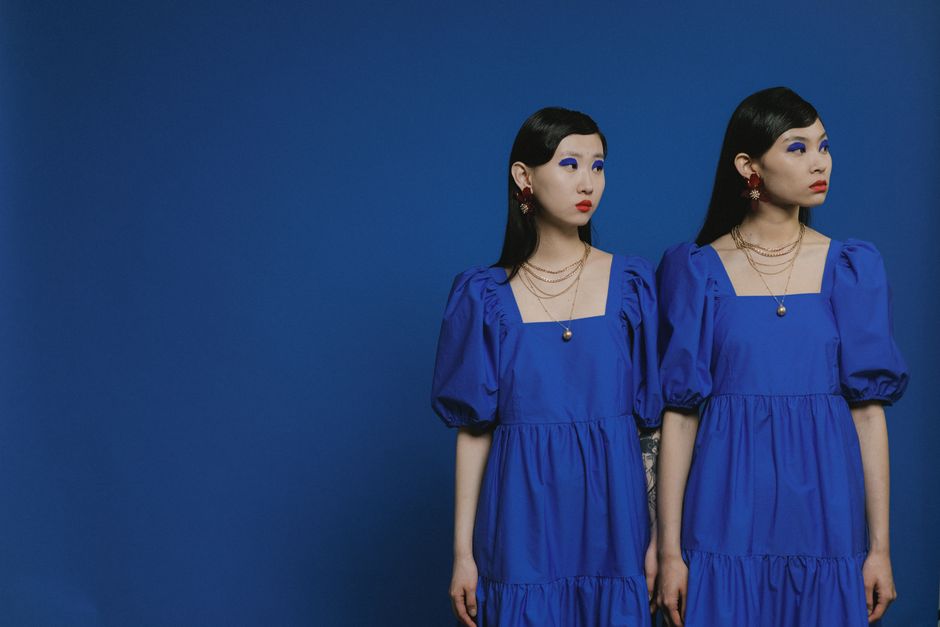
Statement earrings are the exception to every rule above. Why? Because weight matters more than metal. A pair of heavy gold earrings will pull on your earlobes and hurt after an hour. Lightweight resin, acrylic, or enamel earrings are comfortable and can be striking.
For 2026, the statement earring trend is oversized geometric shapes — circles, squares, and asymmetrical forms in bright enamel or resin. Jennifer Zeuner and Kendra Scott make excellent options in the $50–$120 range. These are not investment pieces. They’re fashion accessories. You wear them for a season, then donate or swap.
The mistake to avoid: buying “gold” statement earrings that are actually heavy plated brass. They’ll hurt your ears, turn your skin green, and look cheap by month three. Stick with resin, acrylic, or enamel for statement pieces. Save your gold budget for chains and rings — items that touch your skin less and last longer.
When to skip statement earrings entirely
If you have sensitive ears, avoid anything that isn’t surgical steel, titanium, or solid gold. Plated earrings, even expensive ones, will cause reactions in 20-30% of people. The nickel content in base metals is the culprit. Stick with Maria Tash or Anatometal for hypoallergenic statement earrings — they cost more ($150–$300) but you can wear them daily without irritation.
Looking ahead, the 2026 jewellery market is splitting into two clear paths: high-quality, solid-gold staples that hold value, and low-cost, high-style fashion pieces that are meant to be temporary. The smartest buyers will mix both — invest in a solid gold chain and a pair of good studs, then experiment with resin earrings and vermeil layers. That way you get the trend without throwing money at something that won’t last.