
You found a python-print skirt online. It looks fierce on the model. You click “Add to Cart.” Three weeks later, it hangs in your closet unworn because every time you try to style it, you look like you’re headed to a costume party.
Python print is one of the most misunderstood patterns in fashion right now. Done well, it reads expensive and confident. Done wrong, it reads cheap or costumey. This guide breaks down the exact cuts, colors, and pairings that make python print work for real life — not just a runway.
Why Python Print Feels Hard to Wear (and How to Fix It)
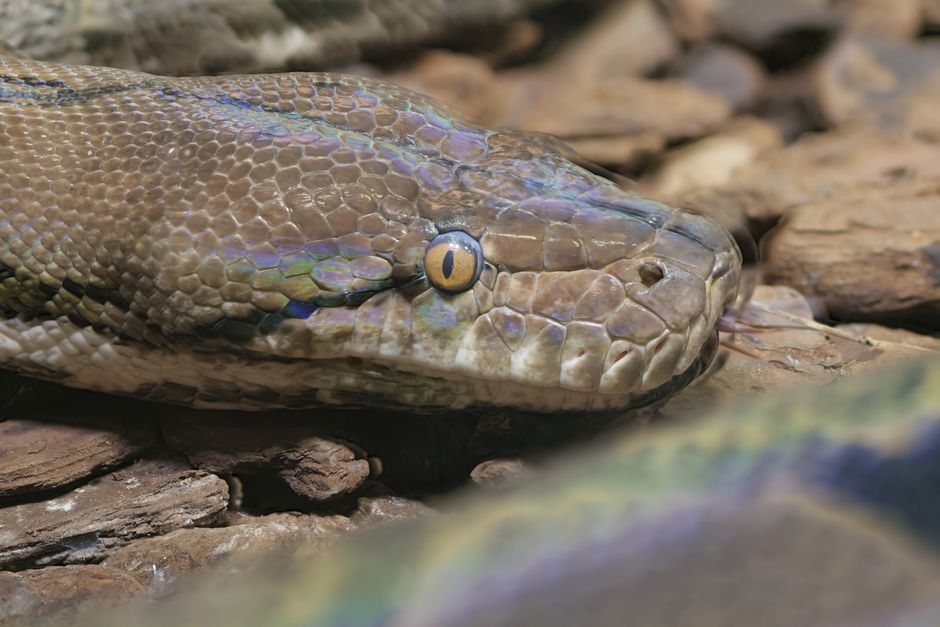
The problem starts with scale. Most python prints on the market are either too small (looks like a generic speckle) or too large (overwhelms your frame). The sweet spot? Scales between two and four inches per repeating motif. Anything smaller reads as texture from three feet away. Anything larger demands a very specific editorial look.
Color matters even more. Real python skin has muted earth tones — taupe, olive, caramel, charcoal. Mass-market brands often use high-contrast black-and-gold or bright teal, which screams “fast fashion.” If you want a piece that lasts multiple seasons, stick to the natural palette. Staud’s Python-Effect Mina Dress ($325) uses a sand-and-umber combination that looks almost like leather from a distance. Ganni’s Python-Print Boots ($495) do the same with a matte finish — no gloss, no shine, just texture.
One more thing: python print on stretch fabrics (spandex, jersey, thin knits) almost always warps at the seams. The pattern buckles and draws the eye to your hips or shoulders. If you want a python-print top, choose a structured weave like cotton twill or linen. Reformation’s Joanie Top ($98) in python jacquard holds its shape because the pattern is woven in, not printed on.
When to Skip Python Print Entirely
If you have a very short torso (under 14 inches from shoulder to hip), avoid python-print tops. The pattern breaks your vertical line and makes you look shorter. Stick to python on the bottom — skirts, pants, or shoes — and keep the top solid.
The Three Mistakes That Ruin a Python Outfit
I spent a weekend scrolling through outfit photos tagged #pythonprint on Instagram. The same three errors kept showing up.
- Mixing python with another animal print. Leopard + python = visual chaos. Zebra + python = dizzying. Pick one animal print per outfit. If you must layer, use python as the hero piece and keep everything else solid black, white, or cream.
- Wearing python head to toe. A python dress is fine. Python dress + python jacket + python boots is not. The pattern needs breathing room. Let it be the only statement.
- Choosing shiny fabric. Glossy python print reads as costume or clubwear. Matte fabric reads as luxury. Vince’s Python-Print Pants ($495) use a matte viscose blend that looks like brushed suede. That’s the finish to aim for.
Fix these three things, and python print goes from “trying too hard” to “effortlessly cool.”
Which Python Pieces Actually Work for Daily Wear
Not every python garment is equally wearable. Here’s a quick breakdown of what to buy and what to skip, based on how often you’ll actually reach for it.
| Garment Type | Wearability Score (1-10) | Best Brand Example | Why It Works or Fails |
|---|---|---|---|
| Python-print boots (ankle) | 9 | Ganni Python Boots ($495) | Boots are far from your face — pattern reads as texture, not a statement. Pairs with jeans, skirts, dresses. |
| Python-print skirt (midi, A-line) | 8 | Staud Python Mina Dress ($325) | A-line cut hides pattern distortion. Midi length keeps it office-appropriate. |
| Python-print handbag | 7 | Roberto Cavalli Python Bag ($2,100) | High price point but the bag lasts decades. Natural python leather ages beautifully. |
| Python-print blazer | 5 | Mango Python Blazer ($120) | Structured blazers work okay, but the pattern on shoulders often distorts. Stick to single-breasted, no shoulder pads. |
| Python-print leggings | 2 | Avoid entirely | Stretch fabric warps the pattern at the knees and hips. Looks cheap within three washes. |
Bottom line: start with accessories or bottoms. A python-print boot or bag lets you test the trend without committing to a full statement piece. If you love it after six months, then invest in a dress or blazer.
Color Pairing: What Goes with Python Print
Python print is not neutral. It has dominant colors (brown, tan, olive, gray) and accent colors (black, amber, white). Your job is to pull from those accent colors for the rest of your outfit.
- Black. The safest pairing. Black pants + python top. Black turtleneck + python skirt. Works every time.
- Cream or off-white. Softens the pattern. Great for daytime looks. Try a cream cashmere sweater with a python midi skirt.
- Olive or khaki. Reads as tonal and intentional. Python + olive cargo pants is a current street-style favorite.
- Avoid pure white, bright red, and neon. These colors fight the pattern. Python print needs earth tones to feel grounded.
One exception: if the python print itself has a bright accent (like a red-orange scale marking), you can pull that color into a shoe or bag. But only if the accent appears naturally in the pattern. Don’t force it.
When to Buy Real Python vs. Faux Python

Real python leather costs more and lasts longer. Faux python is cheaper but has a shorter lifespan. Here’s the honest trade-off.
Buy real python if you want a handbag or belt you’ll use for 10+ years. Roberto Cavalli and Bottega Veneta use ethically sourced python and treat the hide so it stays supple. Expect to pay $1,500–$4,000 for a bag. The pattern is completely unique — no two skins are identical.
Buy faux python if you’re testing the trend or want a fast-fashion piece for one season. Zara and Mango both release python-print items every spring. Prices range from $50–$150. The print is screen-printed, so it repeats identically across the garment. That’s fine for a $70 skirt. It’s not fine for a $300 dress.
My recommendation: buy faux python for boots and tops (items that touch your skin and get washed often). Buy real python for bags and belts (items that last and don’t need cleaning). You’ll get the look without the guilt of ruining an expensive hide in the washing machine.
For most people, a single python-print accessory — a Ganni boot or a Staud bag — is all you need. It adds edge to jeans and a tee. It upgrades a little black dress. And it never looks like you tried too hard. That’s the whole point.