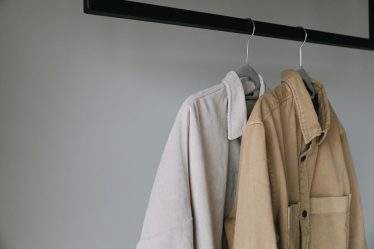
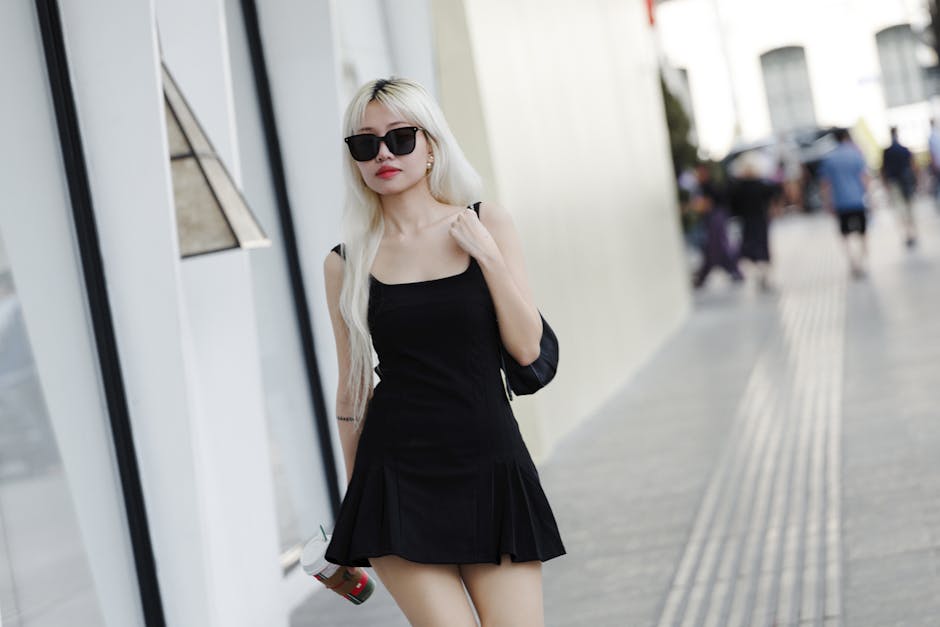
Three dresses hanging on a dressing room hook. One fits perfectly everywhere except the shoulders. One lands at that specific calf length that makes legs look shorter than they are. One is the exact print you wanted — but the fabric is a synthetic blend that will trap heat through a humid July afternoon. You leave with nothing.
That scenario repeats itself because most people shop summer dresses by aesthetic and skip the mechanics. The visual registers. The fit geometry and fabric behavior don’t get considered until you’re already home with the tags still on.
This guide covers the actual variables: what the main silhouettes do to proportions, what fabrics perform in heat, which styles are genuinely versatile versus trendy with a short window, and where to find specific pieces that won’t fall apart after three washes.
The Five Summer Dress Silhouettes, Compared
Before anything else — prints, colors, necklines — the silhouette determines whether a dress works for your body and your plans. Here’s how the main options stack up:
| Silhouette | Best For | Watch Out For | Typical Price Range |
|---|---|---|---|
| Wrap dress | Defined waists, adjustable fit, casual to semi-formal | Gape at the chest; tie loosens during active wear | $40–$180 |
| Maxi dress | Beach-to-dinner transitions, taller builds | Can overwhelm petite frames; needs right fabric to drape | $35–$220 |
| Midi dress | Work environments, outdoor events, widest length versatility | Mid-calf length cuts legs unfavorably on shorter builds | $40–$200 |
| Mini dress | Casual day, beach, relaxed dress codes | Rarely appropriate past early evening in formal settings | $25–$150 |
| Shirt dress | Work-casual, structured look without formal effort | Boxy cuts add volume through the middle | $50–$250 |
The midi has become the default for good reason — it covers the most occasions without adjustment. But “midi” spans from just-below-knee to just-above-ankle, and that 8-inch range matters more than most people expect. Aim for the knee-to-mid-calf zone as the most proportionally forgiving.
What the wrap silhouette actually does
A wrap dress adjusts to the body rather than requiring the body to fit a fixed measurement. That’s the practical appeal. The chest gape problem — where the fabric pulls open at the V — shows up with deeper wraps on larger busts. The fix is either a snap at the chest or a size up with the tie taken in tighter. Neither requires a return.
Why the maxi needs the right fabric to work
A maxi in stiff fabric reads like a costume. The silhouette only works when the fabric moves — lightweight linen, rayon, or washed cotton that drapes rather than stands away from the body. This is the most fabric-dependent silhouette of the five, which makes it the easiest to get wrong at a lower price point.
Fabric Is What Separates a Good Summer Dress from One You Never Wear

This is the section most buying guides skip. It also explains most buyer’s regret.
The core problem with summer dress fabric is that most synthetic blends feel fine in an air-conditioned store and become unwearable by hour two outside. Polyester holds heat. Rayon wrinkles on contact with humidity. Viscose can look beautiful until the first wash. None of these are reasons to avoid these fabrics entirely — but they’re reasons to know what you’re buying before you buy it.
Linen: the honest fabric
Linen breathes better than almost any other option in sustained heat. It also wrinkles immediately and visibly, which some people find unacceptable and others consider part of the aesthetic. Pure linen softens with washing — a stiff linen dress in May becomes a completely different garment by August. The trade-off is real: you get genuine comfort in exchange for a lived-in look.
Linen-cotton blends (typically 55% linen, 45% cotton) reduce the wrinkling significantly while keeping most of the breathability. This is the version worth paying extra for. Budget linen from fast-fashion retailers often has a lower linen percentage than listed — check the fabric composition label, not the product name.
Cotton and chambray
100% cotton is the baseline reliable choice. It breathes, it washes easily, and it doesn’t trap odor the way synthetics do. The limitation is weight — heavier cotton constructions feel suffocating in direct sun above 85°F. Chambray is a lighter cotton weave that solves this problem. It looks denim-adjacent but weighs almost nothing and handles heat well.
Lightweight cotton lawn and voile are even more breathable but require a slip or lining because they’re semi-transparent. Many brands skip the lining to cut costs. Check this before buying by holding the fabric up to light in the store.
What to avoid in actual summer heat
Polyester and most polyester blends above 30% become uncomfortable after an hour in sun. They don’t wick sweat — they hold it. Rayon and viscose look good in photos but wrinkle dramatically in humidity and take significantly longer to dry if you sweat through them. Both are fine in consistently air-conditioned settings. Neither belongs on a beach or an outdoor garden party.
Satin-finish synthetics photograph beautifully and feel nice on the hanger. They are almost universally poor choices for outdoor summer events. The sheen shows sweat immediately and the fabric doesn’t breathe at all. This includes the majority of “silky” dresses sold at fast-fashion prices.
Occasion Matching: Which Style Works Where
The most common mistake is buying a dress with a vague “casual” or “dressy” label and discovering the hard way that it fits neither category cleanly. Here’s the breakdown by specific situation.
Which dress works for a beach-to-dinner transition?
A lightweight maxi or midi in linen or cotton does this best. The length reads as intentional at a restaurant; the fabric is casual enough for the beach. Cover-up-style mini dresses don’t transition well — they read as beachwear in a dining context. The key variable is footwear: sandals and a clean neckline carry a linen midi from afternoon to evening without any other changes.
What works for outdoor weddings and garden parties?
Midi dresses in silk, cotton-blend, or chiffon are the most reliable. Avoid white or ivory — that’s a widely observed convention, not just a fashion suggestion. Avoid very casual prints (large florals in cotton can read picnic rather than celebration). A wrap midi in a solid color or small-scale print is safe across almost every outdoor wedding dress code, from garden party to cocktail attire. The Banana Republic Tie-Waist Shirt Dress (~$120) covers most professional outdoor events cleanly if you prefer structure over softness.
What about summer workplaces with a dress code?
Shirt dresses and structured midi dresses outperform wrap dresses and sundresses in professional settings. The tie on a wrap can become a distraction; spaghetti straps rarely meet business-casual requirements. A shirt dress in chambray or cotton poplin — something from Mango’s linen-blend line (~$89) or Banana Republic’s factory store (~$65–$100 on sale) — covers most office scenarios without looking like you tried too hard or not hard enough.
Four Styles Worth Actually Adding to Your Closet
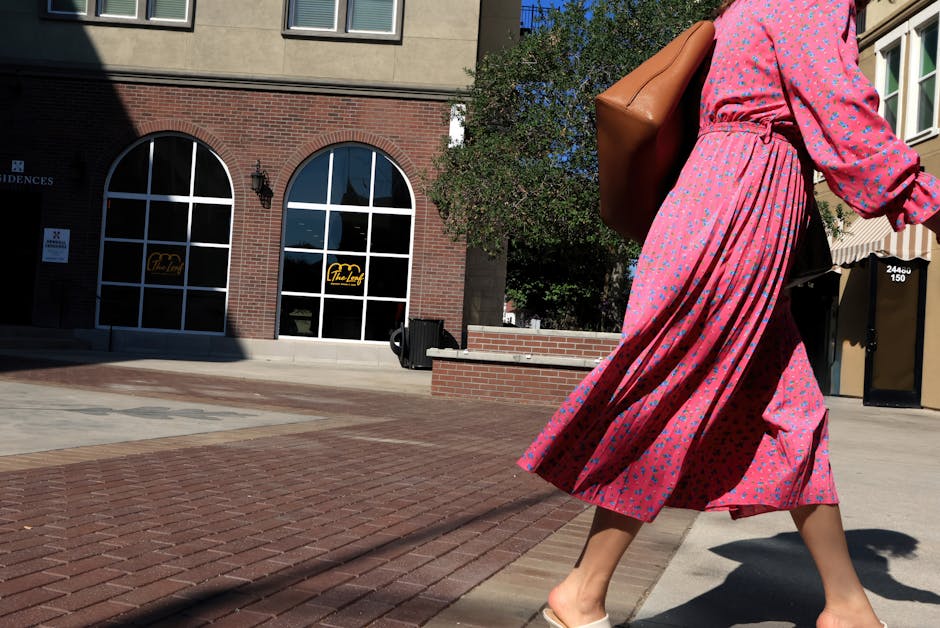
These are not trend-dependent picks. They’re based on versatility, durability, and consistent performance across occasions and body types:
- Linen midi wrap dress — The highest-utility summer dress you can own. Works for vacation, casual events, and summer dinners. The Reformation Nadia Dress in linen (~$178) is the benchmark version; Quince offers a comparable linen midi at $79.90 that holds up well for the price. The wrap closure adapts to fit changes without alterations, which makes it worth owning in a second color.
- Cotton sundress with built-in bra shelf — The no-effort option. A sundress with internal support handles casual occasions without engineering a strapless bra situation. H&M and Target’s Universal Thread line both carry these in the $25–$45 range. They survive regular machine washing, which is the actual test of a budget dress.
- Shirt dress in chambray or cotton poplin — The most work-ready summer dress. Mango’s belted linen-blend shirt dress (~$89) is the right call at mid-range. Avoid boxy versions — the silhouette needs some waist definition to avoid reading shapeless. A belt, even a basic one, fixes this on versions that don’t include one.
- Smocked-waist midi — The smocked construction stretches to fit without needing an exact size match, making this the most size-flexible option on the list. H&M, ASOS, and Free People all produce these in the $35–$95 range. The midi length in a smocked silhouette is the most occasion-versatile version — the mini reads too casual for most events.
Length, Proportion, and the Mid-Calf Trap
Dress length is the variable that makes or breaks proportion more than any other single factor. It’s also the most misunderstood one in summer dress buying.
There are three main length zones: mini (thigh to just-above-knee), midi (just-below-knee to mid-calf), and maxi (mid-calf to floor). The problem is that “midi” covers an enormous range — a dress that hits just below the knee looks entirely different from one that lands at mid-calf, but both get labeled midi on the product page.
The knee-to-3-inches-below-knee zone
This is the most proportionally flattering length for the widest range of heights. It shows enough leg to avoid visually cutting the body short, while covering enough to work across occasions. For anyone between 5’3″ and 5’8″, this zone is almost always safe. Below that, it still works — above that, you have more flexibility to go longer without losing proportion.
The mid-calf problem
A hem that lands at the widest part of the calf — typically 4 to 8 inches below the knee — is where proportion breaks for most body types. It cuts the leg at its widest point, which makes legs look shorter and heavier than they are. This doesn’t apply to ankle-length dresses, which are long enough to read as intentional. The mid-calf zone specifically is the problem.
The fix is practical: try dresses on standing flat-footed, then check where the hem lands relative to your calf. Don’t judge purely from a mirror at waist level. Sit down, walk a few steps, and look at the full length from a distance.
When maxis work for shorter builds
The common advice is that maxi dresses don’t work on petite frames. That’s mostly wrong. A maxi in fluid fabric with a high waist seam or empire waist creates vertical line and works on 5’2″ to 5’4″ builds. The failure mode is a boxy or low-waisted maxi — that’s what overwhelms shorter proportions, not the length itself. Target the empire waist version at any price point and the concern largely disappears.
The One Buying Rule That Prevents Most Regret

Don’t buy a summer dress that requires a specific undergarment you don’t already own. A backless halter that needs a special strapless bra, a sheer linen that needs a slip, a low-cut wrap that needs fashion tape — these dresses sound fine at purchase and stay on hangers because wearing them requires advance planning. Buy dresses that work with what you already wear, or that have built-in support. This single rule eliminates roughly 40% of post-purchase regret in this category.
Where to Shop by Budget: Specific Picks
The best summer dress isn’t the most expensive one. It’s the one that fits your occasions, survives your laundry habits, and doesn’t require infrastructure to wear. Here’s where to look at three price points:
Under $60
Target’s Universal Thread line consistently produces cotton and linen-blend midi dresses in the $25–$45 range that hold up to machine washing. H&M’s Conscious collection has linen-blend options in the $35–$55 range — check the composition label carefully, as quality varies widely within the same line. ASOS house-brand smocked and wrap styles in the $30–$55 range are reliable performers. Avoid anything under $25 with a linen claim — at that price point it’s not actually linen in any meaningful percentage.
$60–$150
Fabric quality improves significantly here. Mango’s linen and linen-blend dresses ($65–$120) are among the best mid-range summer options available — the construction is better than fast fashion and the linen content is genuine. Anthropologie’s Maeve and Holding Horses lines produce cotton and linen midi dresses in the $90–$140 range, with sales frequent enough that waiting for a 30% off event is usually worth it. Banana Republic’s factory line hits $60–$90 during promotions and includes reliable shirt dress options in cotton and linen blends.
$150 and up
Reformation produces some of the most consistent summer dresses at this price point. The Nadia Dress in linen (~$178) and their Petite midi options are worth the cost if you’ll wear them five or more times per season — the cost-per-wear math works out quickly. Eileen Fisher’s linen dresses run $200–$350 but are designed to last a decade rather than a season. That’s a completely different value calculation, and a legitimate one. At this price point, natural fibers should be non-negotiable. If a dress at $160 is primarily polyester, move on.
Back to those three dresses on the hook. The shoulder-fit problem is a construction issue that alterations fix for $15–$25 — or it’s a sign to size up and take in the waist. The awkward calf length is knowable before trying the dress on if you measure your own mid-calf point at home first. The synthetic fabric is avoidable the moment you check the label before pulling anything off the rack. The variables aren’t mysterious. They just require a few minutes of attention before the purchase instead of after it.