Did you know that the average person wears a T-shirt approximately 30 times before it is discarded, yet a garment constructed with high-quality long-staple cotton can withstand over 100 wash cycles without losing its structural integrity? In the context of a busy household, where laundry is a daily ritual and clothing is subjected to everything from playground dirt to spilled morning coffee, the humble T-shirt becomes a high-stakes investment. We often view basics as disposable, but the environmental and financial cost of replacing thin, warped shirts every three months adds up. Finding a shirt that maintains its collar shape and side-seam alignment after a dozen trips through a heavy-duty dryer is a rare win for any family budget.
Researching the textile industry reveals that not all cotton is created equal. Most budget shirts utilize open-end cotton, which feels scratchy and lacks the tensile strength of ring-spun alternatives. When we rank these items, we aren’t just looking at how they look on a mannequin in a climate-controlled store. We are looking at the Grams per Square Meter (GSM)—a metric of fabric density—and the reinforcement of the neck ribbing. For a parent, a T-shirt isn’t just a fashion statement; it is a uniform that needs to survive the physical demands of childcare and the chemical demands of stain removers.
What makes a high-quality T-shirt last through 50+ wash cycles?
The longevity of a T-shirt is determined long before it reaches the sewing machine. It starts with the fiber length. Long-staple cotton fibers, such as those found in Pima or Supima varieties, create a smoother yarn with fewer exposed ends. This matters because those tiny exposed ends are what eventually tangle and break, leading to the dreaded “pilling” effect that makes a shirt look old after three washes. If you find a shirt that feels silky but substantial, you are likely feeling the result of combed cotton, where shorter, weaker fibers have been literally combed out of the batch.
Weight is the next critical factor. In the industry, we categorize shirts by their GSM. A standard, thin promotional shirt usually sits around 130-140 GSM. These are prone to “torquing,” a phenomenon where the side seams begin to twist around your body because the knit is too loose to hold its shape under tension. For family-proof durability, you want to look for heavyweight options ranging from 180 to 280 GSM. These shirts have enough physical mass to resist shrinking and stretching. They hang better on the body, masking the unevenness of a tired posture, and they provide a much better barrier against the elements.
Key Technical Specs for Durability
- Ring-Spun Cotton: Far superior to open-end cotton; provides a softer hand-feel and higher durability.
- Double-Needle Stitching: Look for this on the sleeves and bottom hem to prevent unraveling.
- Taped Neck and Shoulders: A strip of fabric sewn over the seams to provide comfort and prevent the shirt from stretching out at the contact points.
- Side-Seam vs. Tubular Construction: Tubular shirts have no side seams and are cheaper to make, but side-seamed shirts generally offer a more consistent, tailored fit that doesn’t box out over time.
Ranking the best heavyweight cotton T-shirts for daily family wear
When ranking the best options currently available, we prioritized shirts that offer a balance of comfort, price, and the ability to survive a chaotic household environment. The following shirts have been selected based on their fabric weight and historical performance in long-term wear tests. We have avoided “fast fashion” brands that prioritize trend over textile quality, focusing instead on manufacturers with a reputation for consistent production standards.
1. Uniqlo U Crew Neck T-Shirt
Designed by Christophe Lemaire, this shirt has become a cult favorite for a reason. It features a heavy, dry-touch cotton that feels almost like a sweatshirt but breathes like a standard tee. At an approximate price of $19.90, it offers the best weight-to-price ratio on the market. The ribbing on the neck is exceptionally thick, meaning it won’t develop the “bacon neck” ripples that plague cheaper shirts. Pro: Incredible structural integrity and a sophisticated color palette. Con: The fit is quite boxy and slightly cropped, which may not suit those with longer torsos.
2. Carhartt K87 Workwear Pocket T-Shirt
Originally designed for construction sites, this shirt is the nuclear option for durability. Priced around $19.99, it uses a 229 GSM fabric that is significantly thicker than almost anything else in its price bracket. It is built to be abused. Pro: Virtually impossible to tear or wear through. Con: The sizing is notoriously massive; most people need to size down at least one full size, if not two, to avoid looking like they are wearing a tent.
3. Comfort Colors 1717 Garment-Dyed Heavyweight T-Shirt
If you prefer a lived-in feel from day one, Comfort Colors is the standard. These are garment-dyed, meaning the shirt is sewn first and then dyed, which results in a soft, vintage feel and eliminates most future shrinkage. They retail for $13.00 to $18.00 depending on the vendor. Pro: Over 50 color options and a very soft texture. Con: The garment-dye process can lead to slight color bleeding in the first few washes, so keep them away from your white linens.
Comparing premium vs. budget T-shirts: Is the $50 price tag justified?
The question of value often leads to a debate between the “multipack” strategy and the “investment” strategy. You can buy a 6-pack of Hanes for $20, or a single shirt from a brand like Lady White Co. for $55. From a pure durability standpoint, the $55 shirt is rarely three times as durable as a $20 Uniqlo shirt. However, the difference lies in the refinement of the knit and the ethics of the supply chain. Premium shirts often use “loopwheeler” machines or high-gauge circular knitting that creates a fabric with zero tension, resulting in a shirt that never loses its original shape, even after years of use.
For a family on a budget, the middle ground is usually the sweet spot. A $10 shirt is often a false economy because it will need replacing within six months. A $20 high-quality workwear shirt might last three years. The table below compares the specifications of a typical budget multipack shirt against our top-ranked mid-range and premium options to illustrate where your money actually goes.
| Feature | Budget Multipack (~$4/shirt) | Mid-Range Ranked (~$20/shirt) | Premium Investment (~$55/shirt) |
|---|---|---|---|
| Fabric Weight | 130-145 GSM (Thin) | 180-230 GSM (Heavy) | 250+ GSM (Extra Heavy) |
| Cotton Type | Open-end / Carded | Combed / Ring-spun | Long-staple / Organic Pima |
| Neck Construction | Thin single-stitch rib | Thick reinforced rib | Bound collar or double-needle |
| Expected Lifespan | 10-15 washes | 50-75 washes | 100+ washes |
A higher price point often reflects better labor practices and environmental standards, such as GOTS-certified organic cotton, which avoids the heavy pesticide use common in industrial cotton farming.
Best T-shirts for parents: Stain resistance and stretch recovery analysis
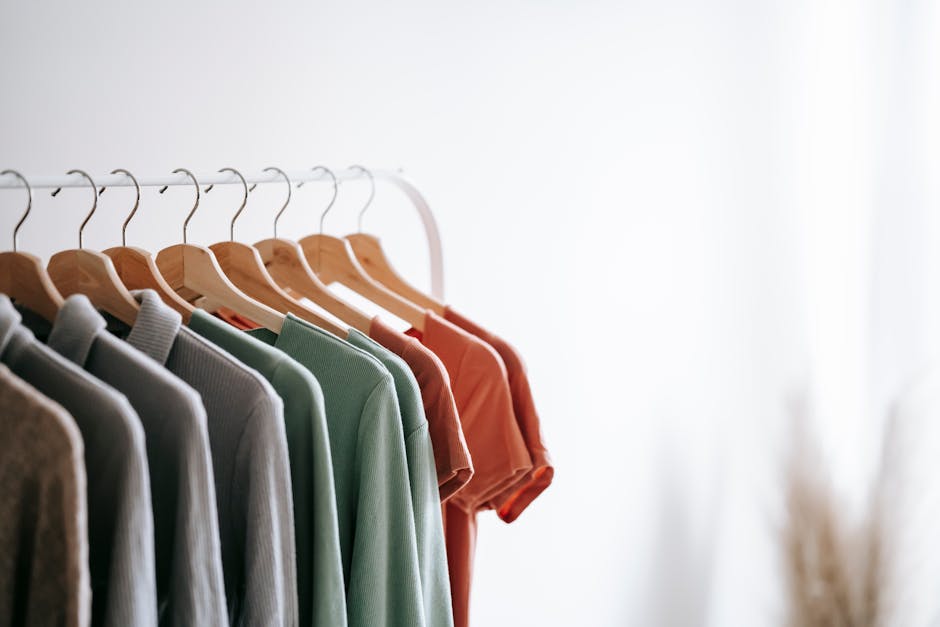
Parenting is an athletic endeavor. Between lifting toddlers, cleaning up spills, and the constant motion of household chores, the “best” shirt needs to do more than just look good. It needs to recover from being stretched. Pure 100% cotton is wonderful for breathability, but it lacks “memory.” If a child pulls on your collar, a 100% cotton shirt might stay stretched out until the next wash. This is where high-quality cotton-poly blends or shirts with 2-5% elastane (Lycra) come into play. While purists prefer all-natural fibers, a small amount of synthetic fiber can significantly increase the lifespan of a shirt used for active parenting.
Stain resistance is another factor where fabric density plays a role. A tightly knit, heavyweight cotton prevents liquids from penetrating the core of the fibers as quickly as a loose, thin knit. This gives you a vital few extra seconds to blot away a spill before it becomes a permanent part of the garment’s history. Darker, garment-dyed colors like navy, charcoal, and forest green are the pragmatic choice for anyone dealing with the unpredictability of small children, as they mask minor imperfections and shadows that would ruin a white or light gray tee.
Top Choices for Active Parents
- Gildan Hammer H000: A hidden gem in the wholesale world. It is a 203 GSM ring-spun cotton shirt that costs about $8.00. It is cheap enough that you won’t cry if it gets ruined by bleach, but heavy enough to feel like a premium garment. Pro: Incredible value. Con: Can be hard to find in retail stores; usually requires ordering from online blank-apparel wholesalers.
- Buck Mason Tough Knit Tee: At $45.00, it is an investment, but the “tough knit” is specifically designed to resist the abrasion of daily wear. Pro: Excellent tailored fit that looks professional under a blazer. Con: High price point for a single item.
- Everlane Premium Weight Tee: A 210 GSM option that retails for $40.00. It uses a dense micro-knit that feels very smooth against the skin. Pro: Transparent supply chain information. Con: Tends to run small after the first wash.
How to maintain T-shirt shape and color across multiple seasons

You can buy the most expensive T-shirt in the world, but if you treat it like a kitchen rag in the laundry room, it will fail. Cotton is a cellulose fiber that is highly susceptible to heat damage. When you see “lint” in your dryer trap, you are looking at the disintegrated remains of your clothing. High heat snaps the fibers, leading to thinning and holes. To preserve the shirts we’ve ranked here, you must adopt a low-impact laundering routine. This isn’t just about being precious with clothes; it is about extending the life of the garment to reduce waste.
The first rule is to wash in cold water. Modern detergents are chemically engineered to work perfectly well at low temperatures. Cold water prevents the fibers from relaxing too much, which is the primary cause of shrinking. Secondly, turn your shirts inside out. This protects the outer face of the fabric from the abrasive action of zippers, buttons, and the drum of the machine itself. It also helps preserve the vibrancy of the dye, especially for garment-dyed shirts like the Comfort Colors 1717.
The Definitive Laundry Protocol for Longevity
- Sort by Weight: Don’t wash your heavy Carhartt tees with delicate items. The heavy fabric will beat up the lighter ones.
- Pre-treat Stains Immediately: Use a dedicated enzyme cleaner on organic stains (food, grass) before they set in the dryer.
- Skip the Fabric Softener: Softeners coat fibers in a waxy film that actually reduces the breathability of cotton and can cause “spotting” over time.
- Air Dry When Possible: If you must use a dryer, use the lowest heat setting and remove the shirts while they are still slightly damp. Hanging them to finish drying prevents the “cooked” feeling of over-dried cotton.
- Store Folded, Not Hung: Heavyweight T-shirts can actually grow longer if left on a hanger for months, as the weight of the fabric pulls the shoulders down. Folding them keeps the proportions intact.
By shifting our perspective from seeing T-shirts as disposable commodities to seeing them as engineered tools for daily life, we can make better choices for our families. Whether you choose the industrial-strength Carhartt or the refined Uniqlo U, the goal is the same: a wardrobe that works as hard as you do, without needing a constant infusion of replacement cash. Investing in a higher GSM and better construction pays dividends in the form of fewer shopping trips and a more consistent personal style that survives the beautiful chaos of family life.