
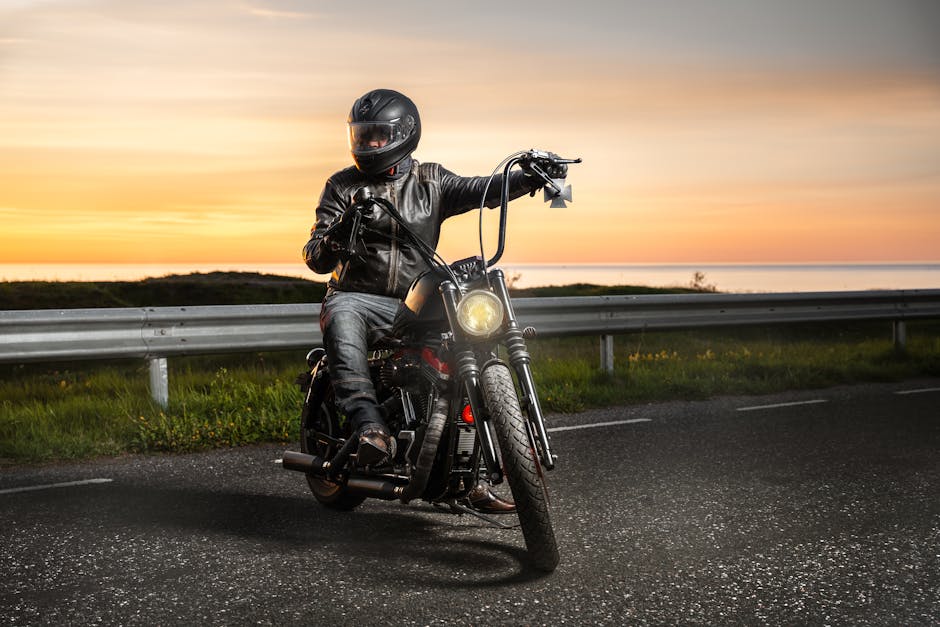
Riding a motorcycle through the Southern Alps or along the winding coastal roads of the Coromandel Peninsula offers an unparalleled sense of freedom, but for the New Zealand rider, that freedom is inextricably linked to the gear on their back. In a country where the “Roaring Forties” winds can buffeted a bike across a lane and the road surface is often comprised of aggressive, skin-shredding chip seal, a jacket is far more than a lifestyle accessory. According to data from New Zealand’s Accident Compensation Corporation (ACC) and the RideForever safety program, wearing high-quality, purpose-built motorcycle gear can reduce the risk of permanent disability by up to 45% in the event of a crash. This statistic is a sobering reminder for any rider who has a family waiting for them at home. The friction generated by a slide on chip seal at 100km/h can wear through standard denim in less than a second, whereas a certified motorcycle jacket is designed to withstand several seconds of high-speed abrasion, providing the precious margin needed to walk away from an accident.
The Science of Survival: Understanding CE Protection Ratings
When selecting the best motorcycle jacket in NZ, the most important label is not the brand name but the CE (Conformité Européenne) certification. Since 2020, all motorcycle apparel sold in Europe—and by extension, most reputable gear sold in New Zealand—must meet the EN 17092 standard. This standard is not just a marketing gimmick; it is a rigorous testing protocol that subjects garments to abrasion tests using the “Darmstadt” method, where the fabric is spun against concrete at specific speeds to simulate a real-world fall.
The EN 17092 Classification System Explained
The classification system is divided into five levels, but for most road riders, three are relevant. Class AAA represents the highest level of protection. These jackets are typically heavy, often made of thick leather, and are designed to withstand high-speed slides on tracks or motorways. Class AA is the industry standard for touring and high-end street jackets; it offers a sophisticated balance between protection, weight, and flexibility, making it suitable for highway speeds and varying weather. Class A jackets are lighter, more breathable, and designed for urban environments where speeds are lower. If you are commuting on the Southern Motorway or navigating the high-speed sweepers of the Desert Road, a Class AA jacket should be your absolute minimum baseline for family-focused safety.
Zonal Protection and Seam Strength
The EN 17092 standard also looks at “zones” of the jacket. Zone 1 includes high-impact areas like the elbows and shoulders, which must have the highest abrasion resistance. Zone 2 covers the back and outer legs, while Zone 3 includes the inner arms and chest, where more breathable fabrics are allowed. Furthermore, the standard tests “burst strength”—the ability of the seams to hold together under the immense pressure of a slide. A jacket could have the strongest fabric in the world, but if the thread snaps upon impact, the garment will open up, leaving the rider exposed. High-quality jackets often feature “safety stitching,” where the main seam is hidden behind a fold of fabric to protect the thread from being ground away by the road surface.
Impact Protection: CE Level 1 vs. Level 2 Armor

While the jacket shell protects against the horrific “road rash” caused by abrasion, the internal armor protects your bones and joints from the blunt force of an impact. Armor is rated as Level 1 or Level 2 based on the EN 1621-1 standard. This test measures how much force is transmitted through the protector to the body when a weight is dropped on it. Level 2 armor is thicker and denser, absorbing significantly more energy—often reducing the transmitted force to less than 9kN, compared to the 18kN allowed for Level 1.
For riders prioritizing family safety, upgrading to CE Level 2 back, shoulder, and elbow protectors is a logical and cost-effective step. Many jackets come with Level 1 armor as standard to keep the retail price lower, but the internal pockets are almost always compatible with Level 2 upgrades. It is also important to note that many jackets are sold without a back protector included, featuring only a thin foam “comfort pad.” This foam offers zero impact protection. Always verify if a real, certified protector is included in your purchase price, as the spine is the most critical area to protect for long-term mobility.
Top Leather and Textile Motorcycle Jackets Available in NZ
The New Zealand market offers a diverse range of gear, but specific models stand out for their performance, local availability through retailers like Motomail, Cycletreads, or Forbes and Davies, and their suitability for our unique terrain. The choice between leather and textile often comes down to your specific riding style and the typical weather conditions you face in your region.
| Model | Material | Approx. Price (NZD) | CE Rating | Armor Specs | Best For |
|---|---|---|---|---|---|
| Rev’it Sand 4 H2O | Polyester Ripstop | $949 | Class AA | Seeflex Level 2 | Adventure/Touring |
| Alpinestars Missile V2 | Bovine Leather | $1,199 | Class AAA | GP-R Level 1 | Sport/Performance |
| Dririder Climate Control PRO 4 | Mesh/600D Cordura | $399 | Class A | CE Level 1 | Summer/Urban |
| Dainese Super Speed 4 | D-Skin 2.0 Leather | $1,450 | Class AAA | Pro-Armor Level 2 | Aggressive Street |
| Merlin Chace Leather | 1.2mm Cowhide | $749 | Class AA | D3O Level 1 | Heritage/Cruiser |
| Oxford Mondial Advanced | Laminated Textile | $599 | Class AA | CE Level 1 | All-Weather Commute |
Rev’it Sand 4 H2O: The Versatile All-Rounder
The Rev’it Sand 4 H2O is widely considered the gold standard for textile jackets in the New Zealand climate. It features a modular design with three distinct layers: a tough outer shell, a detachable breathable waterproof liner (Hydratex), and a separate thermal liner. This allows a rider to adapt to the freezing morning frosts of the Waikato and the humid, tropical afternoons of Northland within the same day.
Pros: Exceptional ventilation with multiple chest and sleeve zippers; comes standard with Seeflex Level 2 armor at shoulders and elbows.
Cons: The multi-layer system can feel bulky when all liners are installed; requires a separate back protector purchase.
Alpinestars Missile V2: Maximum Abrasion Resistance
For those who prioritize safety above all else, the Alpinestars Missile V2 offers race-grade protection in a street-legal package. It is constructed from 1.3mm premium bovine leather and features dual-density TPU external sliders on the shoulders and elbows (DFS). Crucially, it is Tech-Air 5 ready, meaning it can accommodate an electronic airbag system—the highest level of torso protection available to modern riders.
Pros: Class AAA safety rating; extremely durable construction; pre-curved sleeves reduce fatigue.
Cons: Heavy; limited airflow makes it uncomfortable in slow city traffic during a Kiwi summer; aggressive fit not suitable for all body types.
Dririder Climate Control PRO 4: The Budget-Friendly Summer Option
Dririder is a staple in the ANZ market because they design gear specifically for our high-UV, high-heat conditions. The Climate Control PRO 4 is a mesh-heavy jacket that allows maximum airflow. It includes a unique waterproof “over and under” liner, which can be worn inside the jacket for warmth or over the top to keep the outer shell from getting soaked.
Pros: Highly affordable; excellent for hot weather; versatile liner system.
Cons: Lower abrasion resistance than leather; included armor is only Level 1; mesh can snag on Velcro over time.
Safety gear is an investment in your future and your family’s stability. While a high-end jacket may cost over $1,000, it is a tiny fraction of the cost of medical recovery or lost income. Choose the best protection your budget allows, not the flashiest logo.
Selecting the Right Jacket for New Zealand’s Four-Season Climate
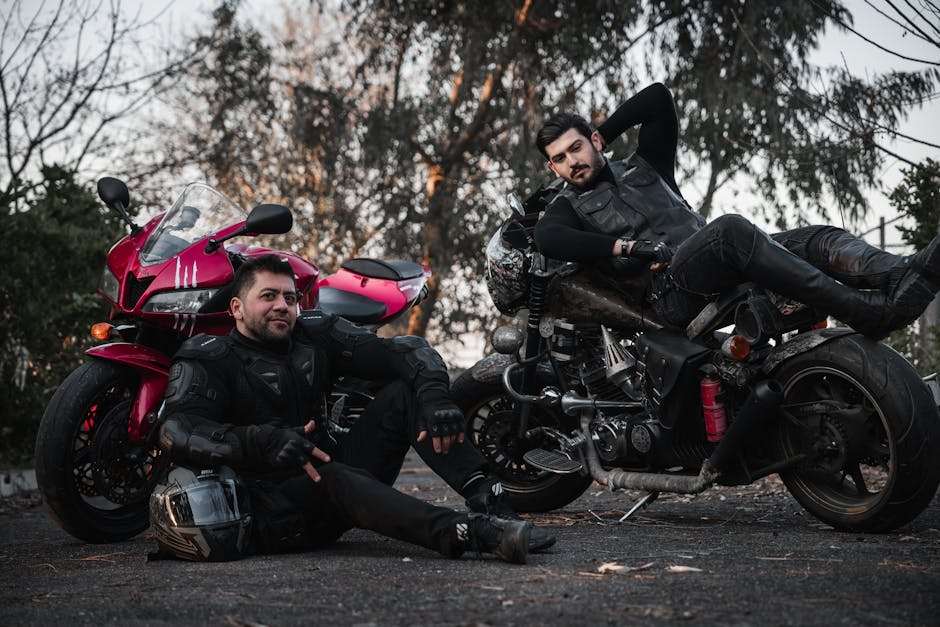
New Zealand is famous for experiencing four seasons in a single day. A rider crossing the Remutaka Hill or the Desert Road can see temperatures drop from 20°C to 5°C in less than an hour. Consequently, the “best” jacket must be able to manage these fluctuations effectively. This requires a focus on two key areas: waterproofing technology and thermal management.
Waterproofing: Laminated vs. Drop Liners
There are two primary ways motorcycle jackets handle rain, and the choice is critical for daily commuters. The first is a laminated membrane, such as Gore-Tex Pro or Oxford’s Dry2Dry. In these jackets, the waterproof layer is bonded directly to the outer shell. Rain beads off the surface, and the jacket never gets heavy or “waterlogged.” These are the gold standard for long-distance touring but come with a premium price tag. The second method is a drop liner, which sits behind the outer shell. While this keeps the rider dry, the outer fabric of the jacket can become heavy, cold, and take days to dry out. If you commute daily in Wellington’s horizontal rain, a laminated jacket is worth the extra expense to avoid the “soggy jacket” syndrome in the office locker.
The Impact of UV Radiation on Gear Longevity
New Zealand’s thin ozone layer and high UV levels are particularly harsh on synthetic materials. Over time, UV rays can break down the fibers of textile jackets, making them brittle and reducing their tear strength. When choosing a textile jacket, look for materials with high UV resistance ratings or those treated with UV inhibitors. For leather gear, the sun can bake out the natural oils, leading to cracking. Regular maintenance with a UV-protective conditioner is essential for NZ riders to ensure their gear doesn’t fail prematurely when it’s finally called upon in a slide.
The “Smidsy” Factor: High-Visibility and Passive Safety
“Sorry Mate, I Didn’t See You” (SMIDSY) is a phrase far too many Kiwi riders have heard after a collision. While black leather is the traditional choice, passive safety—being seen before an accident happens—is a major factor in family-oriented riding. Modern jackets often incorporate “Hi-Vis” elements without looking like a construction vest. Look for jackets with retro-reflective panels (like 3M Scotchlite) that remain subtle during the day but glow brightly under headlights at night. Fluorescent yellow or orange panels on the shoulders and upper back are the most effective, as these are the parts of the rider most visible to other motorists over the top of cars.
Common Pitfalls: What to Avoid When Buying Your First Jacket
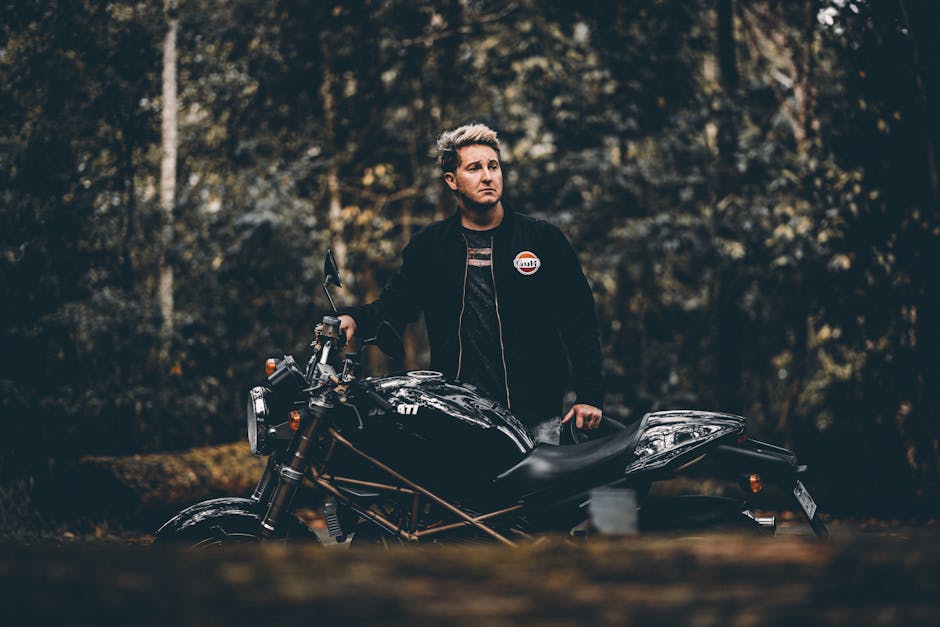
Many new riders make the mistake of buying a jacket based on how it looks while standing in front of a mirror. However, a motorcycle jacket is designed for the “riding position.” When trying on a jacket, you should reach forward as if you are holding handlebars. If the sleeves pull back too far, exposing your wrists, the jacket is too small. If the armor shifts away from your elbow when you move your arm, it will not protect you during a fall.
Another common mistake is ignoring the “connection zipper.” Most reputable jackets feature a zipper at the waist that allows them to be attached to motorcycle-specific pants. This is a critical safety feature; without it, the jacket can slide up the rider’s torso during a crash, leaving the back and stomach exposed to the road. Always ensure your jacket and pants are compatible, preferably from the same brand, to create a secure, protective suit.
Maintenance and Care Guide for Long-Term Performance
A high-quality motorcycle jacket is a 5-to-10-year investment, provided it is maintained correctly. Neglecting the materials can lead to the degradation of waterproof membranes or the drying out of leather, both of which compromise safety. Maintenance should be viewed as a routine task, similar to checking your tire pressure.
Cleaning Textile and Gore-Tex Jackets
Textile jackets accumulate road grime, salt, and exhaust soot, which can clog the pores of breathable membranes. To clean them, remove all armor and liners. Use a specialized technical wash (such as Nikwax Tech Wash) rather than standard household detergents. Standard detergents contain surfactants that destroy the Durable Water Repellent (DWR) coating. Wash on a gentle cycle with lukewarm water. After washing, you can re-apply a DWR spray and, if the care label allows, tumble dry on low heat for 20 minutes to reactivate the water-beading properties of the outer fabric.
Leather Care and Conditioning
Leather is a natural material that loses its oils over time, especially after being exposed to the harsh NZ sun. If leather becomes dry, it loses its tensile strength and is more likely to tear. Clean your leather jacket with a damp cloth to remove surface dirt. Once dry, apply a high-quality leather conditioner. Avoid products containing silicone, as they can seal the pores and prevent the leather from breathing. Work the conditioner in with a soft cloth, let it sit for several hours, and buff off any excess. This keeps the leather supple and maintains its abrasion-resistant properties for years of reliable service.
Inspecting Armor and Hardware
Every six months, perform a thorough inspection of your jacket’s hardware. Check the teeth of the main zipper for signs of bending or wear; a zipper failure during a slide can result in the jacket opening and exposing your torso. Inspect the Velcro closures on the cuffs and neck to ensure they still grip firmly. Finally, remove the internal armor and check for any cracks or signs of hardening. Most armor has a lifespan of about 5-7 years, as the polymers eventually become brittle. If your armor feels stiff or shows visible cracks, replace it immediately with new CE-rated protectors. Taking these steps ensures that your gear will perform exactly as designed, providing you and your family with peace of mind every time you head out on the road.