

Why do most belts purchased online seem to disintegrate within six months of daily use? You likely recognize the pattern: the leather begins to peel at the holes, the buckle loses its finish, or the entire strap starts to warp into a permanent ‘C’ shape. This happens because the marketplace is flooded with ‘genuine leather’ products that are, in reality, little more than sawdust and glue compressed under a thin plastic coating. Finding a belt on Amazon that survives the rigors of family life—from professional meetings to weekend yard work—requires looking past the marketing jargon and examining the raw specifications of hide and hardware.
What defines a high-quality belt for long-term use?
To understand what makes a belt durable, we have to look at the biological structure of the material itself. Most consumer-grade belts are made from ‘genuine leather,’ a term that sounds premium but actually refers to the lowest grade of usable hide. It is the particle board of the leather world. High-quality belts, conversely, utilize full-grain or top-grain leather. Full-grain is the outermost layer of the hide, containing the densest fibers. It hasn’t been sanded or buffed to remove natural marks, which means the structural integrity remains intact. This is why a full-grain belt doesn’t just last; it develops a patina over time, becoming more supple while maintaining its strength.
Stitching also plays a critical role. A single row of thin nylon thread won’t hold up if you’re frequently bending, lifting children, or engaging in physical labor. Look for heavy-duty, bonded polyester thread or, in the case of heavy-duty work belts, double-stitching. The edge finishing is another tell-tale sign of quality. Cheap belts use ‘edge paint’ to hide the layers of bonded leather, which eventually cracks. Premium options feature burnished edges, where the leather is friction-heated and sealed with wax, creating a smooth, monolithic edge that cannot peel. When you’re shopping on Amazon, these are the technical details that separate a three-month accessory from a ten-year wardrobe staple.
Full-grain vs. Genuine Leather: Decoding Amazon marketing jargon
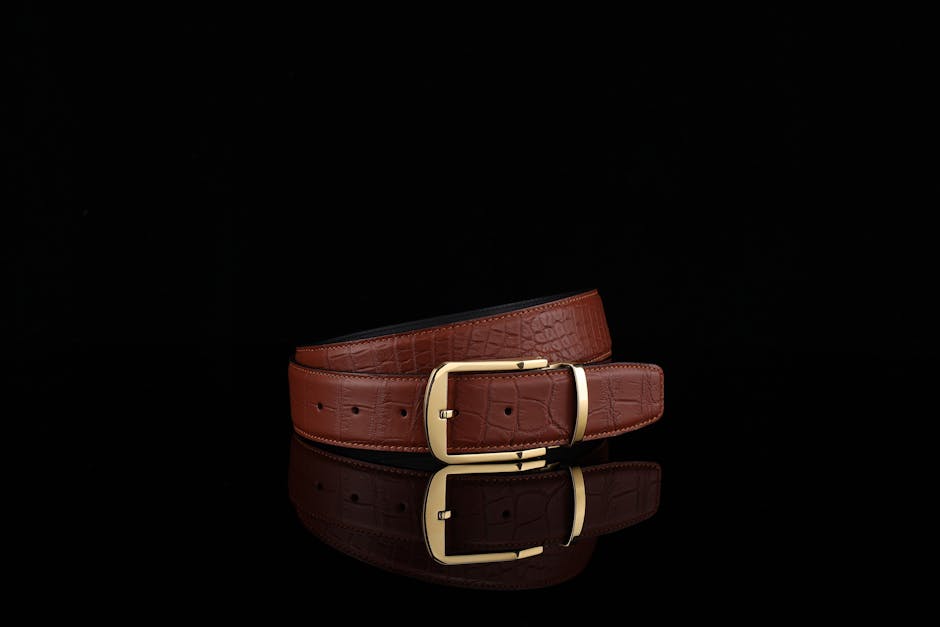
The terminology used in Amazon product listings is often designed to be intentionally vague. If a listing emphasizes ‘Softness’ or ‘Comfort’ without mentioning the specific cut of leather, it is likely a corrected-grain or bonded product. For a family on a budget, it might be tempting to buy a three-pack of cheap belts, but the cost-per-wear on a single high-quality belt is significantly lower over a two-year period. Full-grain leather is the gold standard because the vertical fiber structure hasn’t been compromised. Top-grain is the next step down; it’s thinner and more flexible because the very top layer has been sanded off, making it excellent for formal dress belts but slightly less rugged than full-grain.
| Leather Type | Durability | Best Use Case | Expected Lifespan |
|---|---|---|---|
| Full-Grain | Maximum | Work, Casual, Heavy Duty | 10-20 Years |
| Top-Grain | High | Dress, Business Casual | 5-10 Years |
| Genuine Leather | Low | Occasional wear only | 6-12 Months |
| Bonded Leather | Very Low | Avoid if possible | 1-3 Months |
Beyond the leather, the tanning process matters. Most mass-produced belts use chrome tanning, which is fast and cheap but uses harsh chemicals and results in a leather that can feel ‘rubbery.’ Vegetable tanning is a traditional method using tree bark and plant extracts. It takes much longer—sometimes months—but produces a firm, durable leather that smells like traditional hide and holds its shape better. When browsing Amazon, look for brands that explicitly mention ‘Veg-tan’ or ‘Vegetable Tanned’ leather in their descriptions. These manufacturers are usually targeting an audience that understands and values material science.
The Heavyweights: Best full-grain leather belts on Amazon
If you are looking for a belt that your kids might eventually inherit, Hanks Belts is the primary brand to consider. Specifically, their ‘Premier’ or ‘Gunner’ models are cut from a single piece of thick, full-grain steerhide. These belts are approximately 0.25 inches thick, which can feel bulky initially, but they are virtually impossible to break. Price: ~$60.00 – $90.00. The main pro is the 100-year warranty; the con is that the thickness makes them incompatible with some smaller pant loops. These are not ‘fashion’ belts; they are pieces of equipment designed for those who carry tools or simply want a belt that never sags.
Another strong contender in the high-durability category is Main Street Forge. They offer a ‘Boot Leather’ belt that is slightly more refined than the Hanks models but still utilizes full-grain hide. Price: ~$45.00. A major pro here is the price-to-quality ratio; you’re getting American-made craftsmanship at a mid-market price point. A potential con is that their sizing can be inconsistent across different batches, making the initial fit a bit of a gamble. However, for a daily-wear casual belt that pairs with denim or chinos, it is a significant upgrade over anything found in a typical department store. These brands represent the ‘buy it once’ philosophy that many families are adopting to reduce waste and long-term spending.
Everyday Reliability: Top mid-range belts for work and casual wear
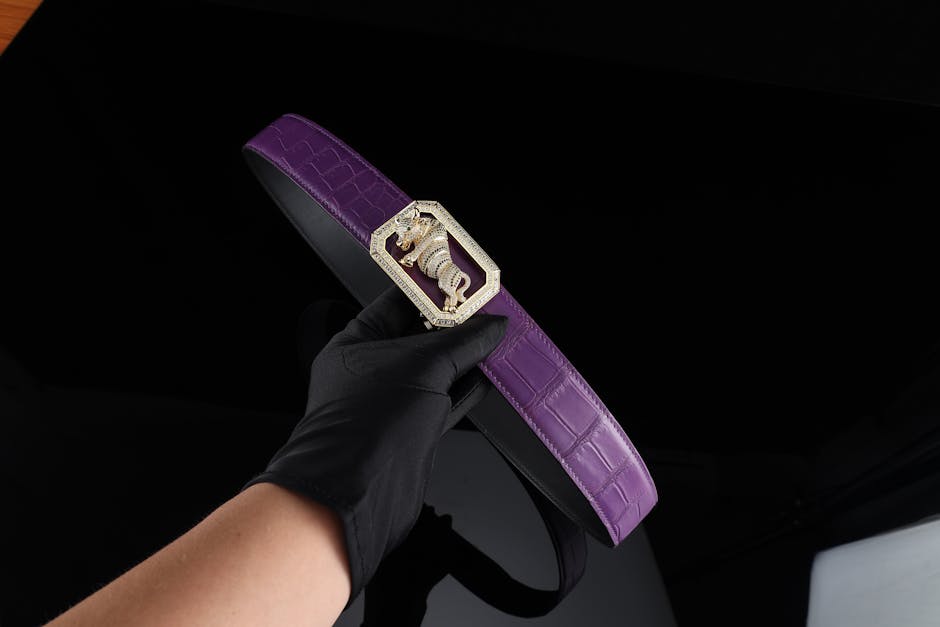
Not every situation requires a quarter-inch thick slab of steerhide. For office environments or family gatherings, you might need something more flexible. The Timberland Men’s Classic Leather Jean Belt is a perennial bestseller for a reason. While it is often a high-quality top-grain leather rather than full-grain, it strikes a balance between durability and immediate comfort. Price: ~$20.00 – $30.00. Pro: Extremely comfortable from day one with no break-in period. Con: The finish on the buckle can chip after about a year of heavy use. It’s a reliable ‘workhorse’ belt that looks professional without the stiffness of premium leather.
Carhartt also produces a range of belts that cater to the ‘family-utility’ niche. Their ‘Journeyman’ belt is a staple for those who spend their weekends doing DIY projects or managing a busy household. Price: ~$35.00. Pro: The leather is treated to be water-resistant, which is a rare feature at this price. Con: It is quite wide (1.5 inches), which might not fit formal trousers. Carhartt’s hardware is generally superior to Timberland’s, using heavier alloys that resist bending. If your daily routine involves a lot of movement—crawling on the floor with toddlers or hiking through the park—the lateral stability of a Carhartt belt prevents your pants from shifting, which is a small but vital comfort.
Performance and Utility: Best web and tactical belts for active families
Leather isn’t always the right choice. For families that spend a lot of time outdoors, or for parents who find traditional belt holes frustratingly imprecise, nylon web belts offer a level of adjustability that leather cannot match. The GRIP6 Minimalist Belt is a standout in this category. It uses a friction-lock system with no holes and no moving parts. Price: ~$35.00. Pro: The profile is incredibly low, so it doesn’t dig into your stomach when you sit down. Con: There is a slight learning curve to mastering the ‘locking’ motion. Because it’s made from high-tensile nylon and a solid slab of aluminum, it is essentially indestructible and salt-water resistant.
For those who need even more utility, the Fairwin Tactical Belt is a popular Amazon choice. It features a heavy-duty quick-release buckle. Price: ~$15.00 – $22.00. Pro: You can put it on and take it off in seconds, and it is stiff enough to hold pouches or heavy phones without twisting. Con: The buckle is too wide to fit through most belt loops, meaning you have to remove the buckle to thread the belt through your pants. This is a minor annoyance, but for someone in a rush, it can be a dealbreaker. However, for outdoor adventures or heavy-duty labor, the sheer strength of the webbing—often rated for thousands of pounds of tension—provides a level of security that leather simply can’t offer.
Hardware and Buckles: Identifying metal fatigue and finish durability

We often focus so much on the strap that we forget the buckle is the most common point of failure. Most belts on Amazon use zinc alloy buckles with a thin electroplated coating. This is why your ‘silver’ buckle eventually turns a dull, coppery pink. Over time, the pin (the part that goes through the hole) can also bend or snap if it’s made from cheap ‘pot metal.’ When you are looking for a quality belt, search for terms like ‘Solid Brass,’ ‘Stainless Steel,’ or ‘Sand-Cast Aluminum.’ These metals are significantly denser and will not snap under tension.
High-quality hardware should feel heavy in the hand. If a buckle feels like plastic or has visible ‘seams’ from a mold, it is likely a cheap alloy that will fail within a year of regular use.
Buckle attachment is another critical detail. Cheap belts use permanent metal rivets. If the rivet breaks, the belt is garbage. Higher-quality belts use ‘Chicago Screws.’ These are threaded fasteners that allow you to remove the buckle. This is useful for two reasons: first, you can replace a broken buckle easily; second, you can swap the buckle to match your outfit or your watch. For families, this modularity is excellent. A single high-quality leather strap can serve as a dress belt with a polished buckle and a casual belt with a brushed brass one. This reduces the number of items you need to own while ensuring that the most stressed part of the belt—the hinge of the buckle—is serviceable.
Sizing and Fit: How to avoid the return cycle
The most frustrating part of buying belts on Amazon is the sizing. There is no universal standard, and a ‘Size 34’ from one brand might be three inches longer than a ‘Size 34’ from another. The general rule of thumb is to buy a belt that is 2 inches larger than your actual pant waist size. If you wear size 34 jeans, you likely need a size 36 belt. This ensures the pin lands in the middle hole, which is the most aesthetically pleasing and allows for minor weight fluctuations. However, this rule fails if the manufacturer measures ‘total length’ instead of ‘length to the center hole.’
- Measure an existing belt: Lay your current favorite belt flat. Measure from the fold (where the leather wraps around the buckle) to the hole you currently use. This is your true belt size.
- Check the product images: Reliable Amazon sellers often include a sizing chart in their images that specifies exactly how they measure. If they don’t have one, check the user reviews for ‘runs small’ or ‘runs large’ warnings.
- Consider the ‘Tail’: A belt that is too long will have a ‘tail’ that wraps halfway around your hip, which looks sloppy. A belt that is too short won’t reach the first belt loop after the buckle, causing it to flap.
- Accounting for thickness: If you are buying a very thick belt (like a Hanks), you may need to go 3 or even 4 inches above your pant size because the thickness of the leather takes up space inside the circumference.
Ultimately, the best belt for your family is one that balances material honesty with functional design. By moving away from ‘genuine leather’ and focusing on full-grain hides and solid metal hardware, you can turn a mundane accessory into a long-term investment. Whether you’re opting for the ruggedness of a work belt or the precision of a minimalist nylon strap, the key is to prioritize the quality of the raw materials over the flashiness of the brand name. On Amazon, the best products aren’t always the ones with the most aggressive advertising, but the ones with the most transparent material specifications.