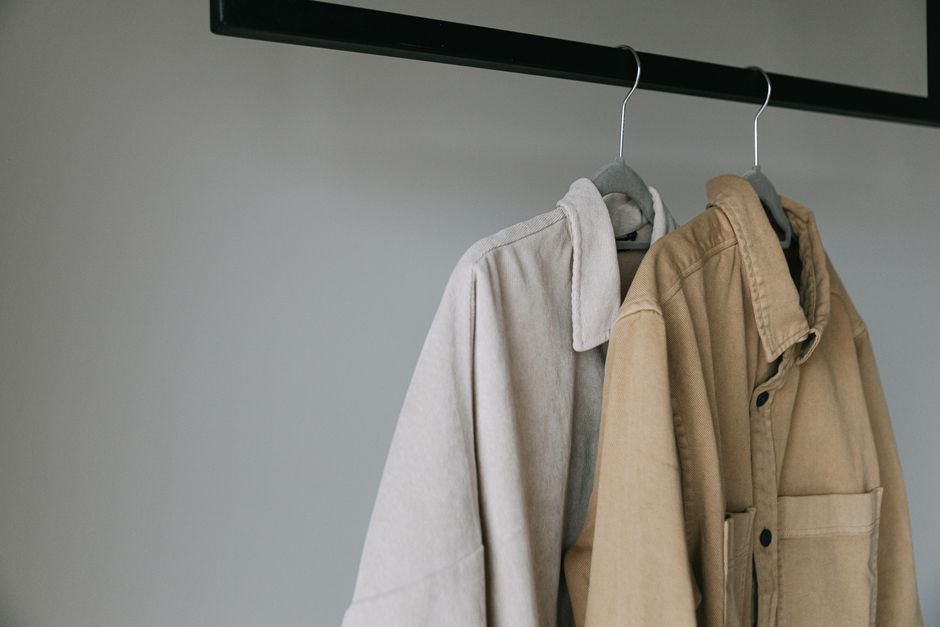
You stand in front of your closet for ten minutes every morning. Nothing fits right. Nothing matches. You end up in the same black pants and a wrinkled blouse — again. This is the morning outfit struggle, and it wastes time, energy, and confidence.
The fix isn’t buying more clothes. It’s buying the right clothes. A capsule wardrobe of 7 core pieces can produce 20+ different work outfits. No more staring at a full closet with nothing to wear.
Why Your Closet Feels Empty When It’s Full
Most people own too many statement pieces and not enough basics. A sequin top is fun for Saturday night. It’s useless at 8 AM on a Tuesday when you need to look credible in a meeting.
The problem is decision fatigue. Every morning you’re making 15+ micro-decisions about clothing. By the time you sit down at your desk, you’ve already spent mental energy you need for actual work.
A capsule wardrobe eliminates those decisions. Each piece works with every other piece. You grab anything from the rack and it fits — literally and stylistically.
Here’s what you actually need. No filler. No trends that die next season.
The 7 Pieces That Do All the Work
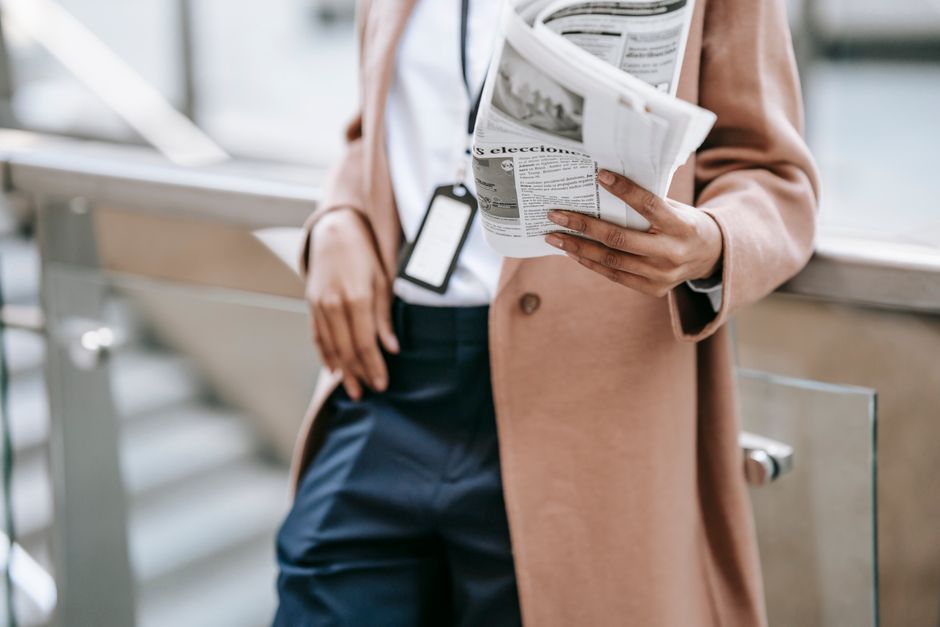
These seven items form the backbone of a professional wardrobe. They work for creative offices, corporate settings, and everything in between.
1. The Dark Wash Straight-Leg Jean
Not ripped. Not distressed. Not skinny. A dark wash straight-leg jean in a mid-to-high rise reads as polished. Pair it with a blazer for client meetings or a simple sweater for desk days.
Look for: 98% cotton, 2% elastane. No stretchier than that or they lose their shape by noon. Brands like Levi’s (the 501 or 505, around $80-$100) or Madewell (the Perfect Vintage Jean, $128) hold up for years.
2. The Navy Blazer
Black is too severe. Gray is forgettable. Navy is the Goldilocks blazer color. It sharpens jeans, elevates a plain dress, and hides coffee spills better than black does.
Fit rule: The shoulder seam should hit exactly at your shoulder bone. Not halfway down your arm. Not pulled tight across your back. J.Crew’s Regent Blazer ($198) and Uniqlo’s Cotton Blazer ($69.90) are reliable options.
3. The Silk (or Faux Silk) Shell
A white or ivory silk shell goes under blazers, cardigans, and suit jackets. It replaces the button-down when you want something softer. It tucks into trousers without bulk.
Price reality: Real silk costs $100+. Faux silk from Quince ($49.90) or Everlane ($58) looks identical under a blazer. Save the real silk for open-collar days.
4. The Tailored Trousers
One pair in black. One pair in a neutral (camel, gray, or olive). They should fit like they were made for you — hemmed to the right length, waist sitting flat without gaping.
Best buy right now: Banana Republic’s Sloan Fit Pant ($98-$120). They hit the sweet spot between too-wide and too-skinny. The fabric has enough weight to drape well without wrinkling by lunch.
5. The Cashmere or Merino Crewneck
A fine-gauge sweater in heather gray or navy. It’s the piece you throw on when you want to look intentional without trying. It layers under blazers, over shells, and alone on casual Fridays.
The trap: Cheap cashmere pills within three wears. Naadam ($75-$95) and Uniqlo ($39.90) offer decent entry-level pieces. For longevity, save for a N.Peal or Johnston of Elgin ($200+).
6. The Pointed-Toe Flat or Low Block Heel
Ballet flats are done. Chunky sneakers are not office-appropriate in most settings. A pointed-toe flat or a 2-inch block heel in black or nude works with everything — trousers, jeans, dresses.
Wear-test it: Walk 10 blocks in the store before buying. If they rub, they’ll rub worse at hour six. Rothy’s pointed flats ($149) are machine-washable. Sam Edelman’s Hazel pump ($110) is a classic block heel that won’t kill your feet.
7. The Structured Tote
A floppy bag makes a sharp outfit look sloppy. A structured tote in leather or heavy canvas keeps its shape and projects competence. It should fit a laptop, a water bottle, and a makeup bag without looking overstuffed.
Under $200: Madewell’s Transport Tote ($168). Cuyana’s Classic Structured Tote ($175). Both hold up for years with basic care.
How to Mix and Match (The Formula)
Here’s the math: 7 pieces × 2 colors each = 14 items = 49 outfit combinations. That’s three months of work days without repeating a full outfit.
| Base Piece | Layer | Shoes | Vibe |
|---|---|---|---|
| Dark jeans | Navy blazer + white shell | Black pointed flats | Client meeting |
| Black trousers | Gray crewneck alone | Block heels | Presentation day |
| Camel trousers | Navy blazer + gray crewneck | Nude pointed flats | Smart casual |
| Dark jeans | Gray crewneck + white shell underneath | Block heels | Date night after work |
Three accessories change the whole game: a leather belt that matches your shoes, a simple gold or silver necklace, and a watch with a metal band. That’s it. No more.
The #1 Mistake People Make (And How to Avoid It)
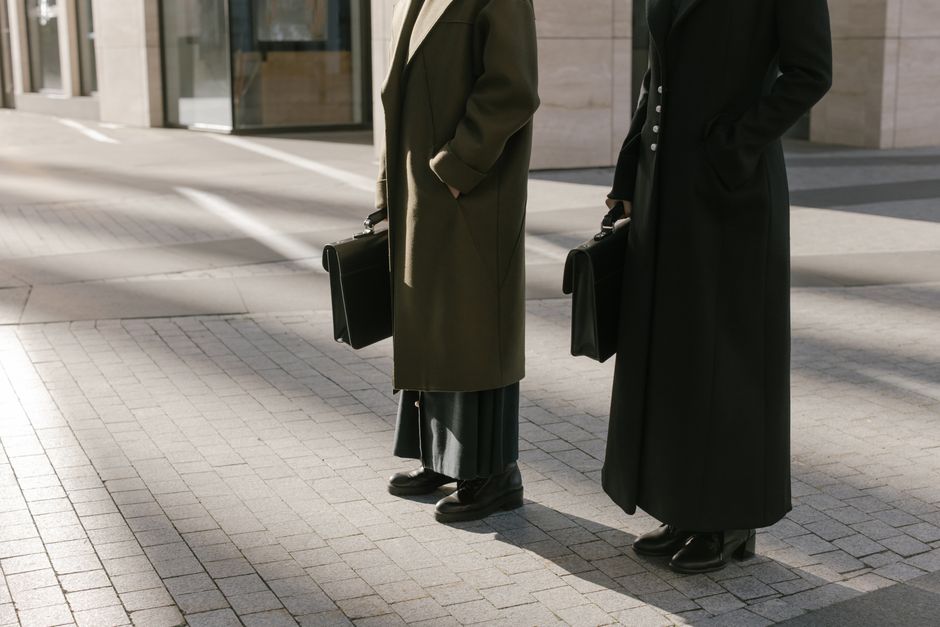
They buy for the job they want, not the job they have.
You see a power suit on Instagram. You buy it. You wear it once. Then it hangs in your closet because your actual office is business casual with a side of “we don’t have AC” or “I carry boxes sometimes.”
Buy for your reality. If you walk to work, buy the flats before the heels. If your office runs cold, buy the cashmere sweater before the sleeveless shell. If you spill coffee twice a week, buy the dark blazer, not the cream one.
The second mistake: ignoring fabric composition. Polyester blazers look shiny and trap sweat. 100% wool blazers cost more but breathe, resist wrinkles, and last a decade. Check the tag before you check the price.
When NOT to Buy These 7 Pieces
This capsule works for 80% of offices. But not all.
If you work in a formal corporate law firm or investment bank where suits are mandatory every day, you need two suits (navy and charcoal) and five button-down shirts instead of this list. The jeans and crewneck won’t cut it.
If you work in a fully remote startup where your camera is off 90% of the time, invest in one good blazer for client Zooms and spend the rest on comfortable, washable pieces. The structured tote becomes a backpack. The trousers become joggers that read as trousers on camera (try Athleta’s Brooklyn Ankle Pant, $89).
If you’re on your feet all day — teaching, nursing, retail — the pointed flats and block heels are wrong. You need supportive shoes with cushioning. Dansko or Vionic makes professional styles that don’t destroy your arches.
Know your context before you copy a formula. This capsule is a starting point, not a religion.
What to Buy First (If You’re Starting From Zero)
Budget is real. You don’t need all seven pieces at once.
Buy in this order:
- The dark wash jeans. They’re the most versatile piece. Wear them with everything you already own.
- The navy blazer. It instantly upgrades any outfit by two levels. Even over a T-shirt.
- The white shell. Cheap and essential. You’ll wear it three times a week.
- The black trousers. For days when jeans feel too casual.
- The pointed flats. Because you need shoes that work with both jeans and trousers.
- The crewneck sweater. For winter. Buy it when the weather turns.
- The structured tote. Save for last. Any decent bag you already own works until then.
Total cost to buy all seven new: around $800-$1,000. Spread it over three months and it’s $250-$330 per month. That’s less than most people spend on takeout coffee and lunch combined.
Thrift the blazer and trousers. Buy the jeans and shoes new. That cuts the cost in half.
Your Closet Should Work for You, Not Against You
A capsule wardrobe isn’t about restriction. It’s about freedom. Freedom from morning panic. Freedom from buying things you wear once. Freedom from the feeling that you have nothing to wear when you have everything.
These seven pieces are the foundation. Once they’re in place, you can add one statement piece per season — a patterned dress, a colored blazer, a bold shoe — without breaking the system.
Start with the jeans and the blazer. That’s two pieces that change everything.