Most men think dressing for summer means wearing shorts and a t-shirt. That’s the first mistake. The real problem isn’t temperature — it’s fabric choice, fit, and the belief that you must choose between looking sharp and staying cool. You don’t. Let me show you the data.
Mistake #1: Wearing Synthetic Fabrics in Direct Sun
Polyester, nylon, and acrylic trap heat. A 2019 textile engineering study published in the Journal of Thermal Biology showed that polyester shirts increased skin temperature by an average of 3.2°F compared to cotton under identical conditions. That’s not a small difference — that’s sweating through your shirt by 10 AM.
What to wear instead: Linen, cotton, and wool blends. Linen has a thermal conductivity rating of 0.12 W/m·K — nearly twice as breathable as polyester at 0.22 W/m·K. Wool, specifically lightweight merino, wicks moisture and resists odor. For everyday summer shirts, Uniqlo’s linen shirts ($39.90) offer a tailored cut without the wrinkles of pure linen. For a step up, Outerknown’s S.E.A. Long Sleeve ($98) uses 60% organic cotton and 40% hemp — breathes like linen but feels softer.
What about performance wear?
If you’re hiking or at the gym, synthetic is fine. But for brunch, a wedding, or the office? Linen or cotton. Period.
Mistake #2: Ignoring Fabric Weight
Fabric weight is measured in grams per square meter (GSM). Most men grab a 200 GSM cotton t-shirt and wonder why they’re sweating. Summer shirts should be 110–150 GSM. That’s the sweet spot for breathability without being see-through.
Here’s a quick comparison of common summer fabrics and their GSM ranges:
| Fabric | Typical GSM | Breathability Score (1-10) | Best Use |
|---|---|---|---|
| Linen | 120–160 | 9 | Shirts, blazers, trousers |
| Cotton poplin | 100–130 | 8 | Button-downs, casual shirts |
| Seersucker | 130–170 | 8 | Suits, sport coats |
| Merino wool (lightweight) | 130–150 | 8 | Polos, t-shirts, travel |
| Polyester (standard) | 180–220 | 4 | Athletic wear only |
Mizzen+Main’s Leeward Short Sleeve ($128) uses a 140 GSM cotton-modal blend — drapes well, doesn’t cling, and resists wrinkles. For trousers, Patagonia’s Baggies Shorts ($55) are 100% recycled nylon at 130 GSM, but they’re for the beach, not a dinner date. For smarter summer trousers, look for cotton-linen blends around 160–180 GSM — structured enough to hold a crease, light enough to breathe.
Mistake #3: The Wrong Fit for Summer
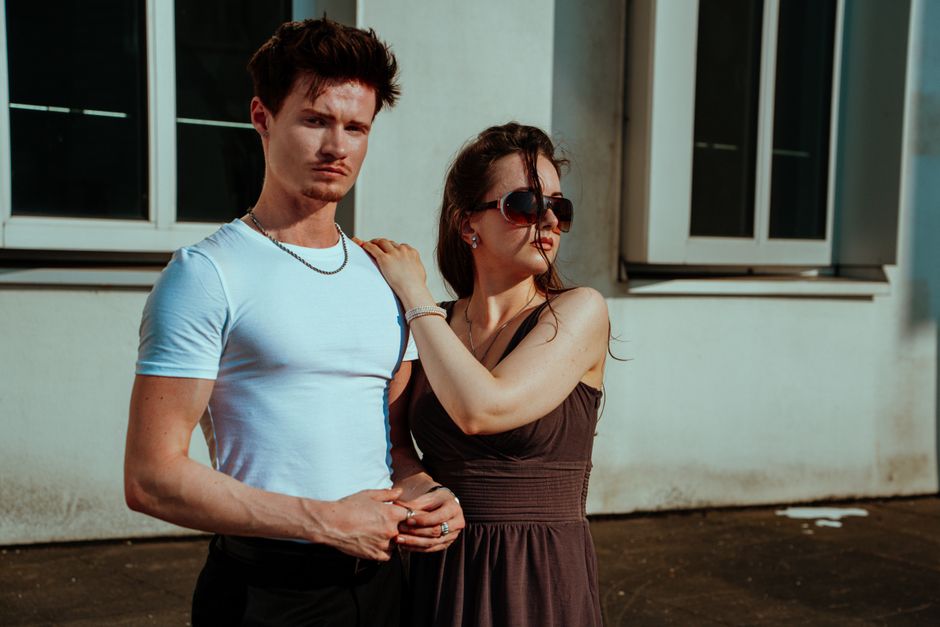
This is where most men fail. They buy slim-fit everything and then wonder why they look like a sausage casing. Summer calls for a relaxed, not baggy, fit. The difference: a relaxed fit has 1–2 inches of extra fabric in the chest and waist, allowing air to circulate. A baggy fit has 4+ inches — looks sloppy and actually traps heat.
Specific numbers: your summer shirt should have a chest measurement 4–6 inches larger than your actual chest circumference. That gives you room to breathe without looking like you’re wearing a tent. For shorts, the hem should hit 2–3 inches above the knee — not longer, not shorter. J.Crew’s 7-inch shorts ($49.50) hit that mark consistently. Bonobos’s stretch chino shorts ($88) come in 5, 7, and 9-inch inseams — pick based on your height. Under 5’10”? Go with 5 or 7 inches.
When to ignore this rule
If you’re attending a formal outdoor event — garden party, outdoor wedding — a tailored linen suit in a relaxed fit is acceptable. But a slim-fit linen suit will look like you borrowed it from your younger brother. Go with Suitsupply’s Havana Fit in linen ($499) — it’s cut with a slightly wider shoulder and chest, perfect for summer.
Mistake #4: Choosing the Wrong Colors
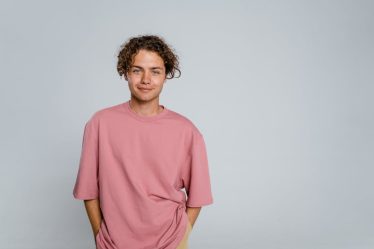
Dark colors absorb more solar radiation. A 2016 study from the University of California, Berkeley found that black clothing absorbs up to 90% of visible light, while white reflects 80–90%. That translates to a surface temperature difference of 10–15°F on a sunny day. Light colors — white, beige, light blue, pastel pink — are not just aesthetic choices. They’re thermal management tools.
Your summer wardrobe should be 70% light colors, 30% medium tones (olive, navy, charcoal). Save black for evening events or when you’re in air conditioning. For a beach-to-bar look, a white linen button-down ($59.90 from Uniqlo) with beige cotton-linen trousers ($98 from Banana Republic) works every time.
Patterns and prints
Bold floral prints are polarizing. If you’re confident, go ahead. But a safer bet: seersucker stripes or gingham checks. Both have been summer staples for decades because they hide sweat marks and look intentional. Brooks Brothers seersucker suits ($798) are the gold standard — but you can get seersucker separates from J.Crew for under $200.
Mistake #5: Overlooking Footwear
Leather boat shoes are not the only option. And flip-flops are not acceptable outside the pool deck. Summer footwear needs to breathe, support, and match your outfit. Here are three categories with specific recommendations:
- Casual: Canvas sneakers. Vans Authentic ($60) in white or light gray. Breathable, lightweight, and they go with everything from shorts to chinos.
- Smart-casual: Suede loafers or drivers. G.H. Bass & Co. Larson Weejuns ($110) in tan suede. No socks, no-show socks only.
- Formal: Unlined leather loafers. Allen Edmonds Randolph ($395) in light brown. The unlined construction breathes better than lined dress shoes.
One hard rule: Never wear socks with shorts. If you must wear socks with loafers, they should be no-show socks that don’t peek above the shoe line. Bombas’ no-show socks ($14/pair) stay put and don’t slide down.
Mistake #6: Forgetting About Accessories
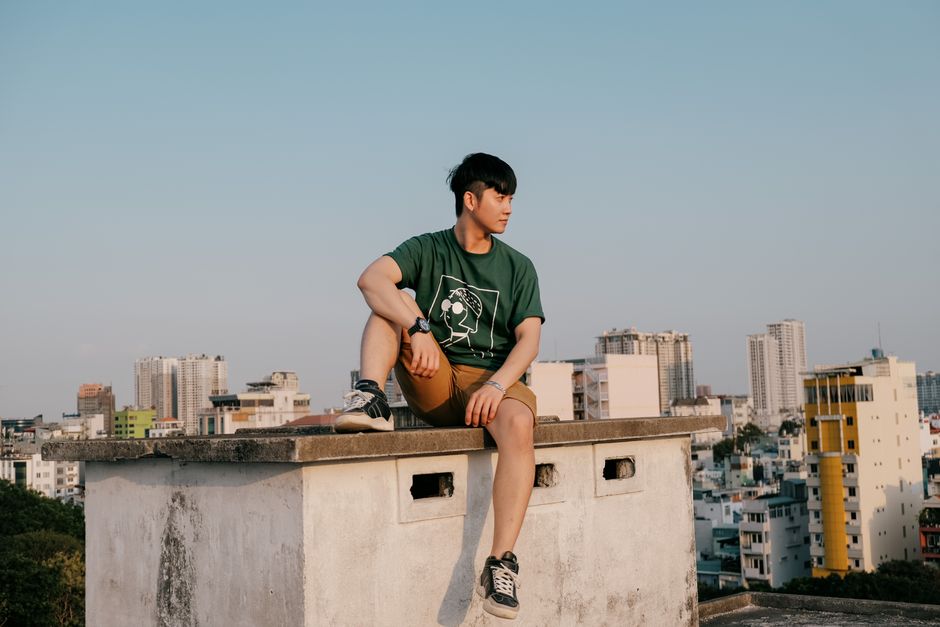
A straw fedora, a linen pocket square, or a leather belt in a light brown shade can elevate a simple outfit. But most men either skip accessories entirely or wear the wrong ones. Summer accessories should be lightweight and functional.
Watches: Swap your heavy steel bracelet for a NATO strap or a fabric band. Timex’s Expedition Scout ($45) with a green fabric strap looks great and costs nothing. Seiko’s SNK809 ($115) on a brown leather strap is a classic summer field watch.
Sunglasses: Polarized lenses reduce glare by 99%. Ray-Ban Wayfarers ($153) in tortoise or black. Warby Parker’s Haskell ($95) is a budget-friendly alternative with the same polarization.
Bags: A canvas tote or a leather duffel in a light color. Filson’s Dryden Tote ($295) in tan canvas is durable and breathable. Avoid black nylon backpacks — they absorb heat and make you look like a tourist.
Mistake #7: Not Adapting for Humidity
Dry heat and humid heat require different strategies. In dry heat (Arizona, Nevada), lightweight cotton works fine because sweat evaporates quickly. In humid heat (Florida, Southeast Asia), sweat doesn’t evaporate — it sits on your skin. In humidity, you need anti-microbial, moisture-wicking fabrics.
Merino wool is the best choice for humid climates. It absorbs 30% of its weight in moisture before feeling wet, and it naturally resists odor-causing bacteria. Unbound Merino’s short-sleeve crew ($85) is 100% 17.5 micron merino — thin enough for 95°F days. Icebreaker’s Cool-Lite series ($90) blends merino with TENCEL lyocell for even faster drying.
If you’re in a dry climate, stick with cotton or linen. Merino is overkill and more expensive. Know your climate before you buy.
For most men in most climates, the single best summer wardrobe investment is a white linen button-down shirt ($59.90 from Uniqlo) and a pair of beige cotton-linen trousers ($98 from Banana Republic). That’s $158 for an outfit that works from 80°F to 100°F, from brunch to dinner. Everything else is optional. Start there, then build out based on your specific needs.