
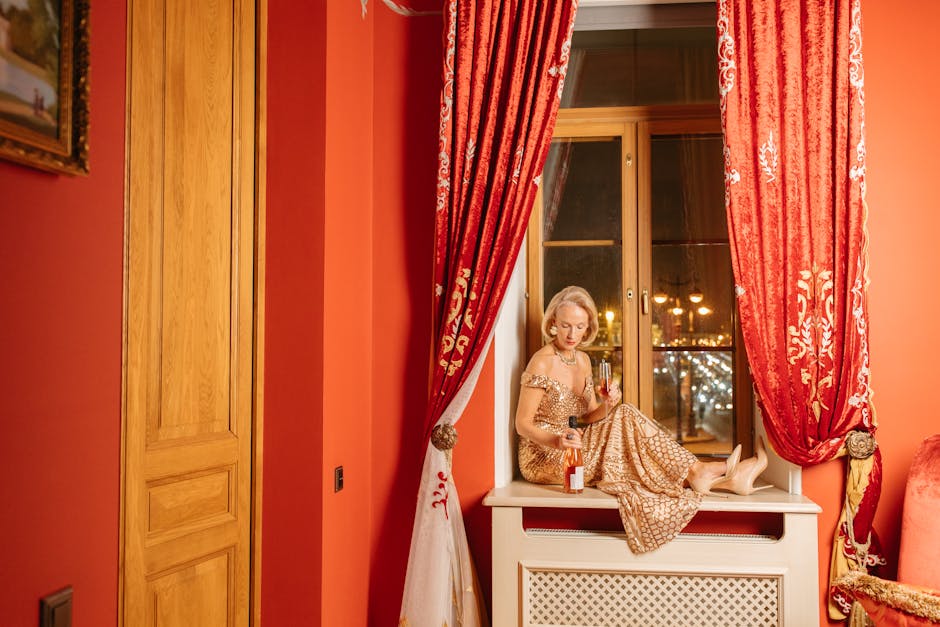
The most important thing first: a knee-to-midi dress in any color except white, ivory, or champagne, made from fabric that doesn’t wrinkle on contact with a car seat, gets you 90% of the way there. Every other decision — silhouette, print, embellishment level — is secondary to those three criteria.
That conclusion came from a dozen weddings over six years, three dress returns, one untying wrap-dress incident at a cocktail hour, and one outdoor ceremony where I wore satin in July heat. Here’s what I actually know now.
What “Cocktail Attire” at a Wedding Actually Means
Most guides define cocktail attire and stop there. They skip the part where the wedding context changes what the phrase means compared to every other event that uses it.
Cocktail attire means semi-formal, knee to midi length, not floor-length. At a wedding, two constraints tighten this definition further. First: nothing white, ivory, cream, or champagne — not even as a base color underneath a print. This applies universally across venues, seasons, and cultures. No exceptions. Second: nothing that visually competes with the wedding party. In practice, this rules out most blush pink dresses and anything with significant lace detailing that photographs as bridal.
Outside those two rules, the space is genuinely wide. Deep navy, dusty rose, forest green, burgundy, cobalt, emerald, rust, terracotta — all appropriate depending on venue and time of day. The persistent fear that black is disrespectful at weddings is outdated. Black has been acceptable wedding guest attire for over a decade across most Western contexts. The exception is afternoon outdoor ceremonies and weddings with explicitly stated color themes.
The length question trips people up most. Technically, cocktail can mean anywhere from two inches above the knee to mid-calf. Both ends of that spectrum are correct. What determines where you land on it is the venue formality and the time of day — which I’ll address directly below.
The Color and Print Decision Table
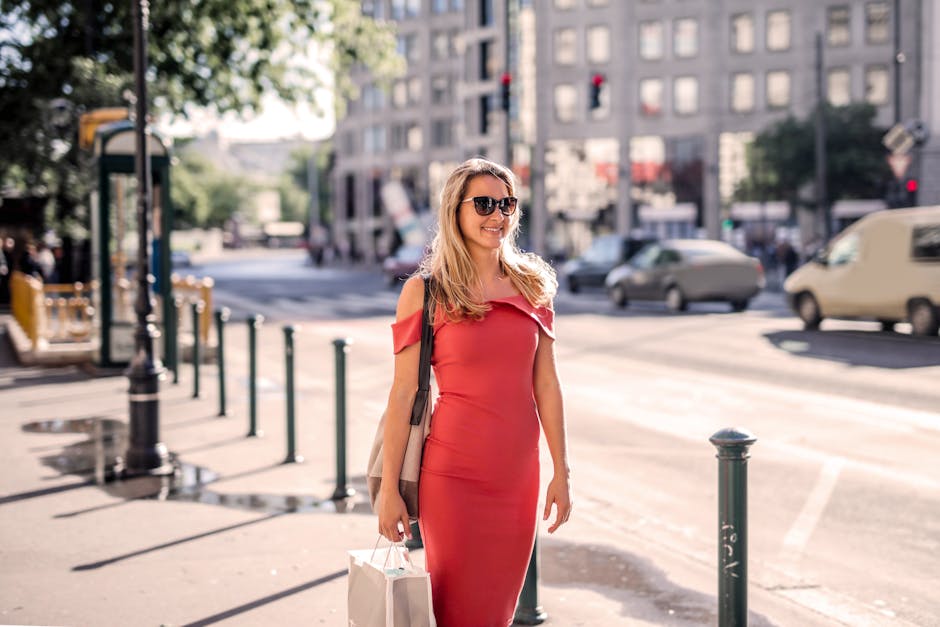
Before I knew what I know now, I bought a near-white floral dress for a June garden wedding. The ground color was labeled “pale sage.” In outdoor photos against a white tent, it read like an off-white sundress. I didn’t technically wear white — but it photographed as white. Here’s the table I wish I’d had before that purchase:
| Color or Print Type | Verdict | Key Notes |
|---|---|---|
| Navy, cobalt, royal blue | Always safe | Works day or evening, any venue, any season |
| Burgundy, wine, deep red | Always safe | Strongest in fall and winter; avoid at summer beach weddings |
| Forest green, emerald | Always safe | Excellent for outdoor and garden venues |
| Black | Safe with caveats | Fine for evening; avoid for outdoor daytime ceremonies in peak summer heat |
| Dusty rose, mauve | Usually safe | Hold it next to something white before buying — it must read “dusty,” not “blush” |
| Bold florals with dark ground color | Usually safe | Dark ground (navy, black, green) prevents a bridal reading in photos |
| Gold or silver metallic | Context-dependent | Correct for evening black-tie-adjacent events; overdressed for afternoon ceremonies |
| Blush, pale pink | Risky | Check whether the wedding party wears blush before purchasing |
| White florals on pale ground | Avoid | Reads bridal in photos even when it doesn’t look it in person |
| White, ivory, champagne, cream | Never | No exceptions — “it’s clearly not a wedding dress” is not a justification |
One note on prints: bold, large-scale florals photograph better than fine prints. Small polka dots and tight geometric patterns turn into visual noise in photos taken from any distance. A large floral on a dark ground photographs with clear intention. If you’re choosing between a fine-print option and a bolder one in the same silhouette, the bolder one almost always wins in wedding albums.
How to Pick a Silhouette That Works for Your Body (Not a Model’s)
Silhouette preference is personal, but real-world performance at a wedding isn’t. Certain shapes genuinely work better across a 6-to-8-hour day of sitting, standing, walking on uneven ground, and dancing. I’ve tested this the slow way.
A-Line Midi: The Most Consistent Performer
An A-line midi flares gently from the waist and hits below the knee. It photographs well from every angle, doesn’t restrict movement, and works on grass, cobblestone, and dance floors equally. It’s the silhouette I default to for outdoor weddings without exception. The Eliza J Pleated Chiffon Midi Dress (~$138 at Nordstrom) is the most consistently reliable option I’ve seen at this price point — available in navy, wine, and forest green. Chiffon breathes well in outdoor heat and the pleated waist creates shape without constriction. It runs about one size large, so size down when ordering.
Wrap Dress: Depends Entirely on the Tie Construction
Wrap dresses look polished and fit a wide range of body types. The problem is the tie. A free-floating tie on both ends in a slippery fabric will loosen during a reception. A sewn-in tie on one side with a free loop on the other — common in jersey versions — stays put. The Anthropologie Maeve Wrap Midi (~$158) uses a jersey that grips the knot and holds all evening. ASOS Design wrap midis in satin-finish fabric ($65–$85) do not. Fabric weight matters more than the design here. If the listing says “polyester satin” or “silky crepe,” the tie will slip. Matte jersey or textured crepe are the reliable choices.
Sheath Dress: Right for Formal, Wrong for Dancing
A knee-length sheath is the most formal of these options and looks sharp in structured venues — hotel ballrooms, private dining rooms, upscale urban settings. The constraint is mobility. A narrow sheath limits stride to roughly 18–20 inches, which makes a crowded dance floor uncomfortable and awkward. The Tadashi Shoji Illusion Bodice Sheath (~$328 at Nordstrom) is the strongest version of this silhouette: structured, photographically sharp, and clearly evening-appropriate. I only recommend it for weddings that lean toward seated dinners over high-energy receptions. If the invitation mentions a DJ or a live band, choose something with more movement built in.
Fit-and-Flare: The Most Versatile Choice Overall
Fitted through the bodice and flared below the hip, this silhouette flatters a wide range of proportions without restricting movement the way a sheath does. It reads intentional rather than casual. The Reformation Carini Midi (~$278) is expensive but genuinely earns it: the fabric doesn’t wrinkle in transit, doesn’t require dry cleaning after a single wear, and photographs with clean structure. For a more accessible price point, the Reiss Anastasia Floral Midi (~$300, regularly on sale around $175–$190) delivers the same structural quality in a floral print that photographs beautifully at garden and afternoon weddings.
Length, Venue, and the Practical Calculations
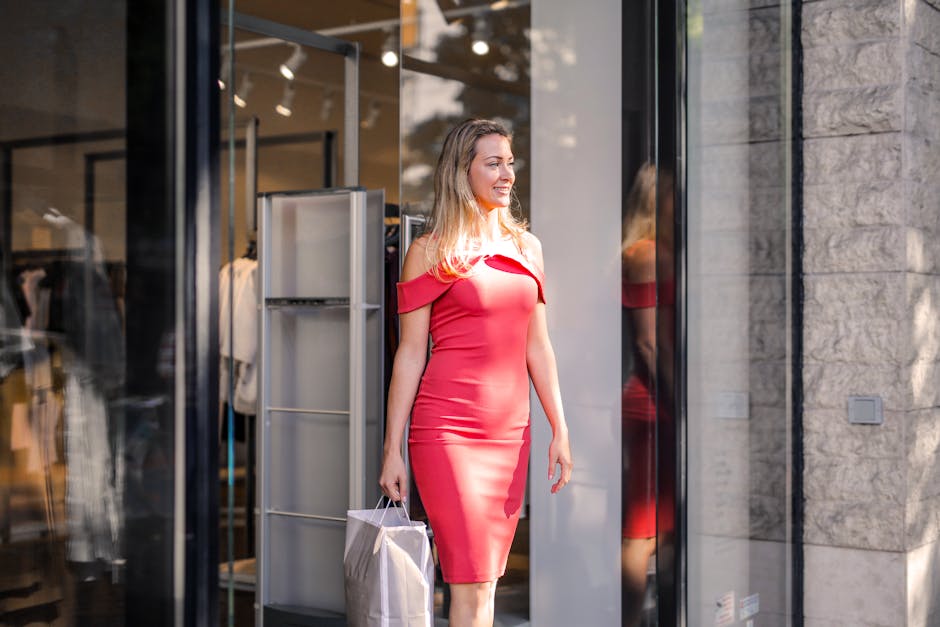
The venue determines appropriate dress length more reliably than almost any other factor. Here is how to match them correctly:
- Outdoor garden or backyard ceremony: Go midi — at minimum two to three inches below the knee. Anything shorter becomes a problem in wind. Avoid satin; it snags on grass and looks out of register against natural textures and greenery.
- Indoor hotel ballroom or event hall: Any length works. Knee-length reads sharper in formal interiors. Midi in a lightweight fabric can look slightly casual in a very formal ballroom, depending on the fabric weight and structure.
- Rustic barn or vineyard: Midi length in natural-feeling fabric — chiffon, crepe, matte jersey. Satin at a rustic venue creates a visual mismatch that photographs poorly and feels wrong all evening.
- Beach or destination ceremony: Lightweight midi or maxi. Structured fabrics fight the environment. Floaty fabrics photograph beautifully against ocean backdrops and hold up to humidity better than lined structured dresses.
- Urban rooftop or city venue: Shorter and more structured. A knee-length fit-and-flare or sheath works well here. City backdrops call for clean lines over flowing fabric.
- Church ceremony: Many churches require knee-length or longer and covered shoulders. Read the invitation carefully — some venues include explicit modesty notes. A structured cardigan or tailored blazer solves most shoulder coverage requirements without changing the dress.
On shoes: block heels at 2.5 to 3 inches are the practical choice for any wedding with outdoor elements. A stiletto sinks into grass — I’ve lost two heel tips to lawns. Block heels provide the height needed to look right in photos while staying stable on uneven ground. Bring a flat option in your bag for after-dinner dancing. Your feet will thank you at hour six.
Three Mistakes That Show Up in Every Post-Wedding Photo Dump
These errors come up repeatedly, and all three share the same root cause: buying based on how the dress looks on a hanger or a website model rather than how it will perform across an entire event day.
Buying for the wedding you imagine, not the one you’re attending. A heavily embellished cocktail dress with sequin detailing is exactly right for a Saturday evening hotel ballroom reception. The same dress at a 1pm outdoor garden ceremony looks like you misread the invitation entirely. Look at the venue name and the start time together, not separately. Any event that starts before 4pm is daytime. Dress for lighter fabrics, brighter or more natural colors, and reduced embellishment regardless of what the dress code technically permits.
Ordering a size up for comfort without checking where the dress needs to fit first. A cocktail dress that gaps at the shoulder or collapses through the chest looks expensive in the wrong direction. Fit the dress to your shoulders and chest first. A tailor can take in the waist or hem the length for $25–$40. Moving a shoulder seam costs $60–$80 and often changes the neckline in ways that aren’t recoverable. Always size to your chest and shoulders, then alter everything below that.
Skipping the fabric composition field in the product listing. “100% polyester” cocktail dresses exist at every price point, including expensive boutique ones. Polyester in a structured cut holds shape well — but it doesn’t breathe. In a warm venue or under outdoor sun, you’ll feel it by hour three. Look for polyester-viscose blends (viscose breathes and drapes close to silk), chiffon (lightweight and breathable even in polyester versions), or genuine crepe. The fabric information is almost always buried in “Product Details” rather than the headline. Find it before purchasing, not after it arrives.
How to Dress for the Time of Day Without Overthinking It
Does the ceremony start time actually change what I wear?
Yes, meaningfully. A 10am or 11am ceremony is a daytime event — lighter colors, lighter fabrics, and brighter or more natural prints register correctly in that context. A 7pm or 8pm ceremony reads closer to a cocktail party, where deeper tones, more structured silhouettes, and richer fabrics look appropriate rather than overdressed. When an invitation says “ceremony at 11am, reception to follow,” dress for the reception. You’ll spend the majority of the event there, and that’s where photos are taken in significant numbers.
What if I’m only attending the reception?
Dress for the venue and the evening hour, not for the ceremony formality. Reception-only guests typically have more flexibility on embellishment and length. An evening-register dress — the Mac Duggal Embellished Sheath (~$270) or the Eliza J lace-overlay midi in navy — works well for this scenario. Avoid anything that reads too casual; you’re entering an event already in progress and the cocktail-hour tone has been set by the time you walk in.
What about an afternoon tea-style or garden party wedding?
This is the most misread scenario. “Cocktail attire” at a 2pm garden wedding means semi-formal but daytime. Deep jewel tones feel heavy in afternoon light and photograph darker than expected against outdoor greenery. A dusty rose fit-and-flare or a navy-ground floral midi hits the right register — structured enough to read semi-formal, light enough for the afternoon hour. The Reiss Anastasia Floral Midi is built for exactly this: structured silhouette, bold floral on a dark ground, and a midi length that works on grass without issue.
Quick Reference: Best Dress by Wedding Scenario
Every situation above has one option that consistently outperforms the alternatives. Here’s the summary:
| Wedding Type | Best Silhouette | Recommended Dress | Price |
|---|---|---|---|
| Outdoor garden, afternoon | A-line or fit-and-flare midi | Eliza J Pleated Chiffon Midi | ~$138 |
| Indoor ballroom, evening | Sheath or structured fit-and-flare | Tadashi Shoji Illusion Bodice Sheath | ~$328 |
| Rustic barn or vineyard | A-line or wrap midi | Anthropologie Maeve Wrap Midi | ~$158 |
| Beach or destination | Floaty A-line, midi to maxi | Reformation Carini Midi | ~$278 |
| City rooftop, evening | Sheath or structured knee-length | Mac Duggal Embellished Sheath | ~$270 |
| Afternoon garden party or tea | Fit-and-flare with floral print | Reiss Anastasia Floral Midi | ~$300 |