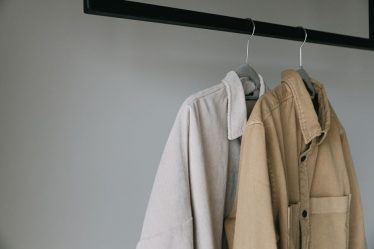

At 7:40 on a January morning, a jacket can feel fine beside the car and useless ten minutes later on an exposed train platform. The problem is rarely the temperature alone. Wind strips heat from a thin shell, wet fabric destroys the loft of down, and a short hem leaves cold air moving under the sweater. The best men’s winter jackets solve those problems in the right order: insulation first, weather coverage second, then fit, pockets, and style.
Why men’s winter jackets fail in real cold
A winter jacket exists to hold a layer of warm air next to your body and stop outside air from replacing it. Insulation creates the trapped air. The outer shell controls wind and moisture. The cuffs, hood, hem, and collar close the gaps where heat escapes. Remove any one of those pieces and a jacket can look thick while performing poorly.
Warmth starts with trapped air
Down and synthetic fill work by creating space between the body and the outside air. Down usually gives more warmth for its weight, compresses smaller, and feels less bulky. Synthetic insulation keeps more of its insulating ability when damp and usually costs less. Fill power measures the loft of down, not the total amount inside a garment. A 750-fill jacket is not automatically warmer than a 600-fill jacket if the 600-fill jacket contains more insulation.
For daily city wear, jacket length matters almost as much as fill power. A waist-length puffer can work for active walking, but it leaves more room for wind to reach your lower back. A parka that reaches 30 to 32 inches down the back covers more of the body and works better for slow commutes, outdoor queues, and bus stops.
Weather protection changes the answer
Dry cold favors down. Wet snow, freezing rain, and repeated drizzle favor a waterproof shell or synthetic insulation. Water-resistant fabric can shed a short shower, but it is not a substitute for seam-sealed construction. A hood with adjustment points, a storm flap over the zipper, elastic or hook-and-loop cuffs, and a drawcord hem often improve real warmth more than another 50 points of advertised fill power.
The practical verdict is simple: choose a jacket for the coldest normal activity, not the mildest temperature you expect. A light puffer is enough for a brisk walk at 40°F. It is the wrong tool for standing still at 20°F in wind and wet snow.
The 2026 winter jacket shortlist by weather
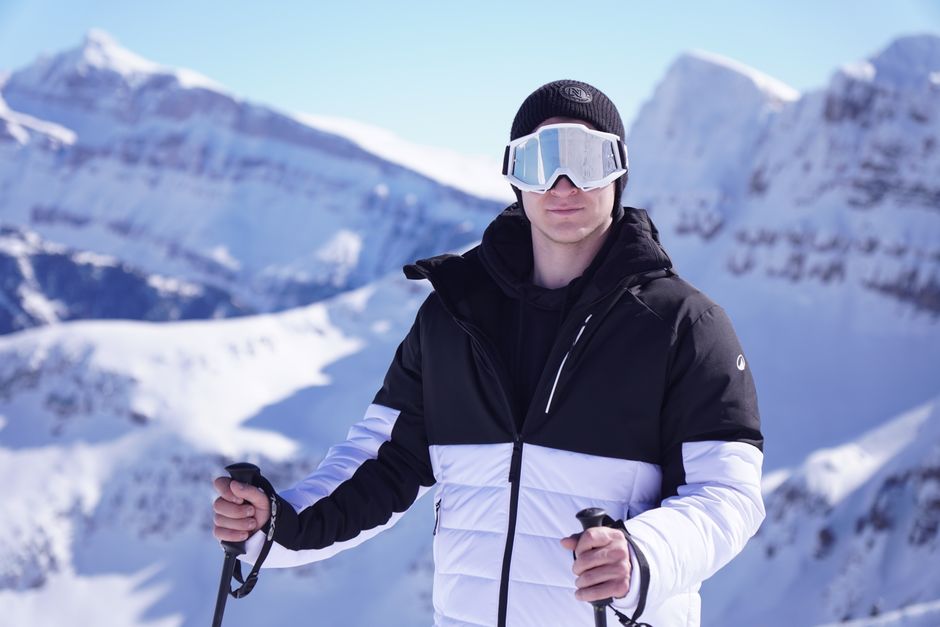
The table below separates jackets by the job they actually perform. Prices are US prices shown by the brands in 2026 and can change with color, size, and seasonal sales. The specifications matter more than the logo.
| Jacket | Price | Insulation and coverage | Best use |
|---|---|---|---|
| Uniqlo Seamless Down Parka | $149.90 | At least 90% down; water-repellent shell; estimated minimum comfort near 5°F | Budget city wear in mostly dry cold |
| Columbia Delta Ridge II Down Jacket | $165 | 650-fill RDS down; Omni-Heat reflective lining; 28-inch back length | Active commuting and light snow |
| Patagonia Downdrift Jacket | $329 list | 600-fill recycled down; recycled NetPlus nylon shell; regular fit | Casual city and mountain crossover |
| The North Face McMurdo Parka | $450 | 600-fill recycled down; seam-sealed DryVent 2L shell; 31.75-inch back length | Cold, wet commutes and long outdoor waits |
| Arc’teryx Therme Down Parka | $900 | 750-fill European goose down; waterproof GORE-TEX ePE shell; 2 lb 11.6 oz | Premium wet cold with a clean city shape |
How to read the table
The Uniqlo and Columbia options cover the lower-cost end, but both rely on water-repellent fabric rather than a fully waterproof shell. Patagonia gives you strong materials and a useful everyday cut, yet the 600-fill jacket is not the warmest option here. The North Face McMurdo earns the strongest all-round score because it combines long coverage, down insulation, a waterproof shell, and a $450 price that sits far below premium technical parkas.
The clear pick for most city commutes
The North Face McMurdo Parka is the best men’s winter jacket for a commuter who faces cold wind, wet snow, and long periods of standing still. The Columbia Delta Ridge II is the better value for active movement in moderate cold. The Arc’teryx Therme Down Parka wins only when waterproof protection, lighter technical construction, and refined styling justify paying twice as much as the McMurdo.
The clearest answer for most men is a long waterproof parka
For most men who want one winter jacket, buy a long waterproof parka with down insulation, not a short fashion puffer. The extra length protects the lower back and upper legs, while a sealed shell stops wind and wet snow from turning the insulation into a cold, heavy layer. That combination covers more real winter situations than a jacket designed only for dry, brisk weather.
The North Face McMurdo Parka is my clear pick for this job. Its 600-fill recycled down is not the highest number on the market, but the jacket adds a waterproof, breathable DryVent 2L shell, a 31.75-inch center back, adjustable cuffs, a storm flap, and a protective hood. Those details address the failure points that make many down jackets disappointing in public transport queues and wet city streets.
A short jacket still makes sense for cycling, hiking uphill, or spending most of the day indoors. The Columbia Delta Ridge II is the sensible choice there because its 28-inch length, 650-fill down, and reflective lining keep bulk under control. It is not a waterproof parka, so heavy rain or prolonged snow exposure falls outside its strengths.
The premium Arc’teryx Therme Down Parka is an excellent specialist choice, not a universal winner. Its 750-fill goose down and GORE-TEX ePE shell provide stronger technical coverage, but the $900 price is difficult to defend for a mild winter or a car-to-office routine. Spend that money only if wet cold is frequent and the jacket will see heavy use for many seasons.
How to buy a winter jacket without misreading the specs
Use this five-part check before buying. It turns vague claims such as warm, insulated, and weather-ready into decisions you can test.
Start with the coldest normal day
- Write down the lowest temperature you regularly face.
- Add wind exposure and standing time. A 25°F walk can feel easier than a 35°F wait beside a windy road.
- Choose the jacket length and insulation for that routine, not for an occasional record low.
Check the insulation in context
- Compare fill power and fill amount when the brand provides both.
- Look for the insulation type. Down gives excellent warmth-to-weight performance; synthetic fill handles damp conditions with fewer consequences.
- Do not treat a temperature estimate as a guarantee. Base layers, wind, activity, and personal cold tolerance change the result.
Inspect the parts that stop heat loss
- A hood should adjust around the face and at the back of the head.
- Cuffs should close over gloves without leaving a large gap.
- The zipper should have a storm flap or a weather-resistant design.
- The hem should cover the lower back and allow adjustment.
- Inside pockets should hold a phone without pressing it against wet outer fabric.
Test the fit with a real middle layer
Try the jacket over the thickest sweater you will actually wear. Raise both arms, reach forward, sit down, and zip the collar fully. If the shoulders pull or the hem lifts above your belt, the jacket is too small. If cold air enters around the neck and cuffs, a larger size will not solve the problem; the design is wrong for your use.
Read the care label before buying
Down jackets need careful washing and thorough low-heat drying to restore loft. A jacket that requires specialist cleaning may cost more to maintain than its price tag suggests. Choose machine-washable insulation if the garment will face daily commuting, food spills, or frequent winter travel.
What to do when down, length, or price is wrong
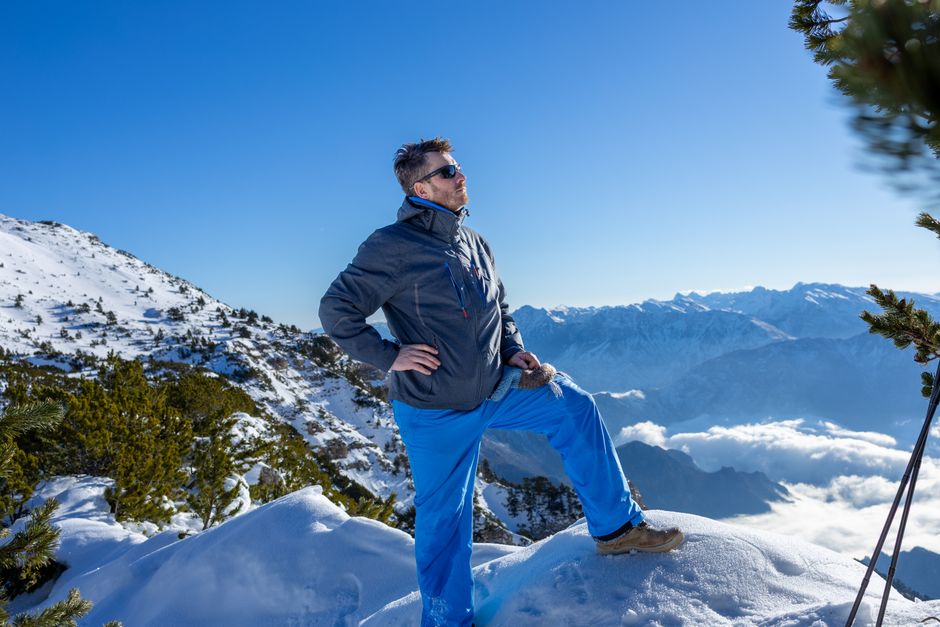
Is down a bad choice for wet winter weather?
Down is a bad choice when the jacket has no weather barrier and you expect hours of wet snow. It is still a strong choice for dry cold, light precipitation, and normal city use. Pick the Arc’teryx Therme Down Parka or The North Face McMurdo when waterproof protection matters. Pick synthetic insulation instead when the jacket will get repeatedly soaked and drying time is limited.
Should a shorter jacket replace a parka?
Yes, when you move constantly or need unrestricted leg movement. The Columbia Delta Ridge II works better than a long parka for active commuting and moderate cold because its 28-inch back length stays out of the way. For slow walking, outdoor queues, and wind-exposed streets, the shorter cut gives up too much coverage.
When is the cheaper jacket the smarter purchase?
The Uniqlo Seamless Down Parka is the smarter purchase when the budget is close to $150, temperatures are mostly dry, and light rain is the main moisture threat. Its water-repellent finish is not fully waterproof, so it should not replace a rain shell in a wet climate. The Patagonia Downdrift Jacket is the better middle-ground choice for shoppers who want recycled materials, a regular everyday fit, and a more durable city-to-trail design.
Return to that January platform test: if you will stand still in wind and wet snow, choose the long waterproof parka. If you will keep moving through dry cold, choose the lighter jacket and spend the difference on a good wool layer. The right winter jacket is the one that still feels protective after the first ten minutes outside.