
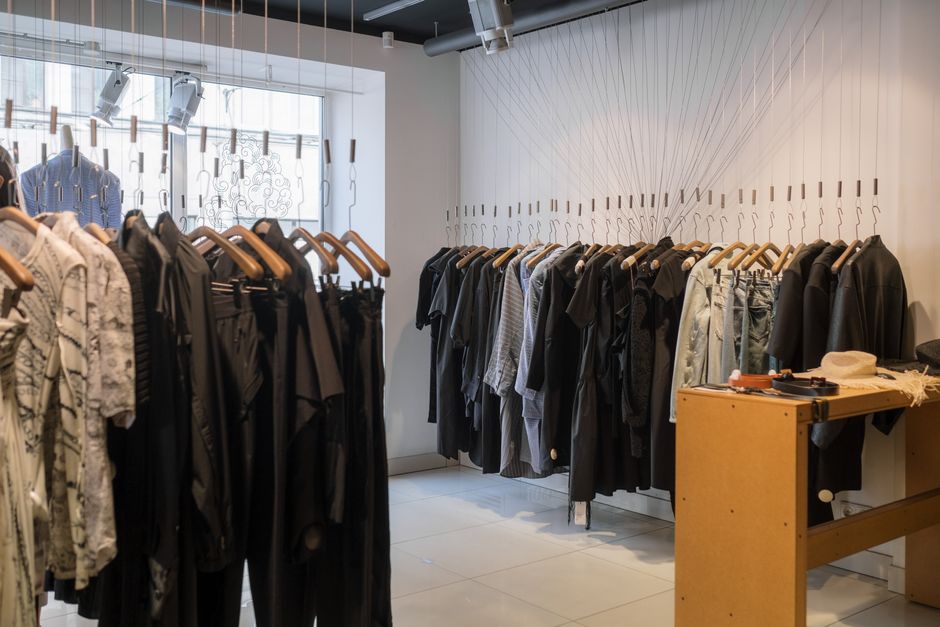
Newcastle has a solid second hand clothing scene, but it’s not always obvious where to start. You can find everything from £3 charity shop blazers to curated vintage denim at £40, depending on which street you walk down. This guide breaks down the best shops, what to look for, and the mistakes that cost you time and money.
Where to Start: The Best Charity Shops for Clothing in Newcastle City Centre
Charity shops are the backbone of second hand clothing in Newcastle. The highest concentration is along Northumberland Street and the side streets off it. Oxfam on Northumberland Street (Open 9:30am–5:30pm Mon–Sat) consistently has a well-organised rail of women’s dresses and men’s shirts. Prices range from £4 to £15.
Three blocks away, British Heart Foundation on Clayton Street (10am–5pm) is bigger and cheaper. They stock household items too, but the clothing section at the back has a rotating stock of coats, suits, and casualwear. Expect to pay £3–£10 for most items. The trick is to go on a Tuesday morning — that’s when new donations hit the floor.
What to Check Before You Buy
Always inspect three things: the label (check the fabric composition — 100% cotton or wool is a keeper, polyester blends are a pass), the seams (look for loose threads or pulled stitches), and the underarm area (yellowing or deodorant buildup is common and hard to remove).
The Hidden Gem: St. Oswald’s Hospice Shop
On Heaton Road, about 15 minutes from the city centre, St. Oswald’s Hospice Shop (9:30am–4:30pm Mon–Sat) is worth the bus ride. They price things fairly — £2 for a basic top, £6–£12 for a branded jacket — and the stock turns over fast because locals know it’s good. If you’re after workwear or smart casual pieces, this is your spot.
Vintage Boutiques vs. Charity Shops: When to Use Each
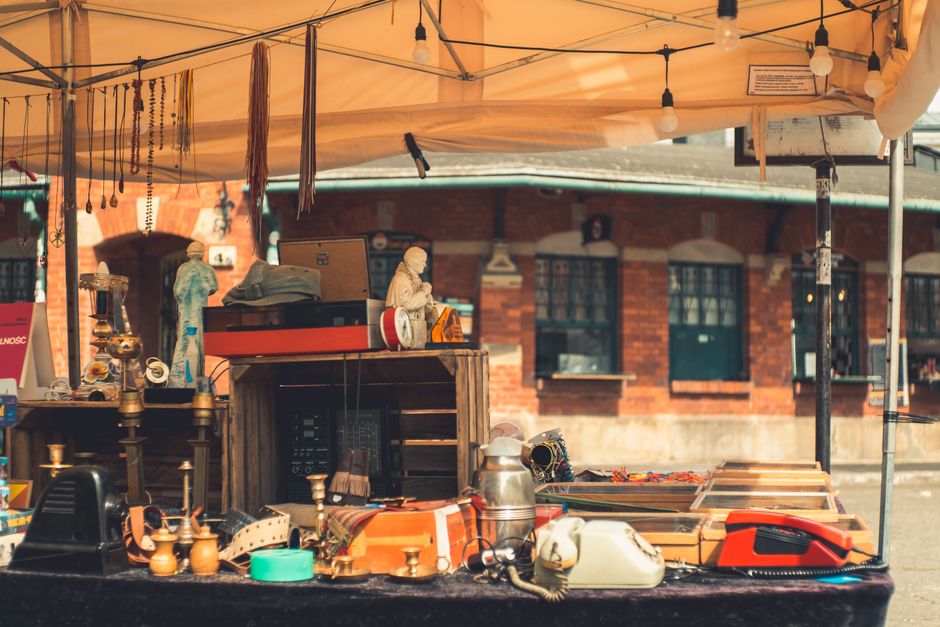
This is the question most people get wrong. Charity shops are for hunting. Vintage boutiques are for precision. You don’t go to a charity shop expecting to find a specific 1970s leather jacket in your size. You go to a vintage boutique for that, and you pay for the curation.
| Type | Best For | Price Range | Time Investment |
|---|---|---|---|
| Charity shop | Everyday basics, coats, blazers, jeans | £2–£15 | High (need to dig) |
| Vintage boutique | Statement pieces, specific eras, accessories | £20–£80 | Low (curated rails) |
| Market stall (e.g., Grainger Market) | Vintage denim, band tees, costume jewellery | £5–£30 | Medium (haggling possible) |
For a quick win, hit the vintage boutiques. For a bargain, hit the charity shops. For something in between, try the Grainger Market on Saturdays — there are usually two or three stalls selling pre-loved clothing, and you can negotiate on price if you’re buying multiple items.
Three Mistakes That Waste Your Money on Second Hand Clothing
I see people make the same errors over and over. Here they are, so you don’t have to learn the hard way.
Mistake 1: Buying something that doesn’t fit now. “I’ll get it tailored” is a lie you tell yourself. Unless the item is genuinely high-end (a wool coat, a silk dress, a designer label) and the alteration is simple (hemming, taking in the waist), walk away. Tailoring costs £15–£40 in Newcastle. That £5 blazer becomes a £30 blazer fast.
Mistake 2: Ignoring the fabric composition. A cute dress is not a good buy if it’s 100% polyester. It won’t breathe, it’ll smell after one wear, and it’ll pill within three washes. Flip the tag. If it’s mostly synthetic and you don’t have a specific need for it (e.g., a rain jacket), put it back.
Mistake 3: Shopping without a list. Charity shops are designed to make you impulse-buy. Go in knowing what you need — “a black blazer, size 10, wool or cotton blend” — and ignore everything else. You’ll leave with one good item instead of a bag of regrets.
How to Spot a High-Quality Vintage Piece in 30 Seconds
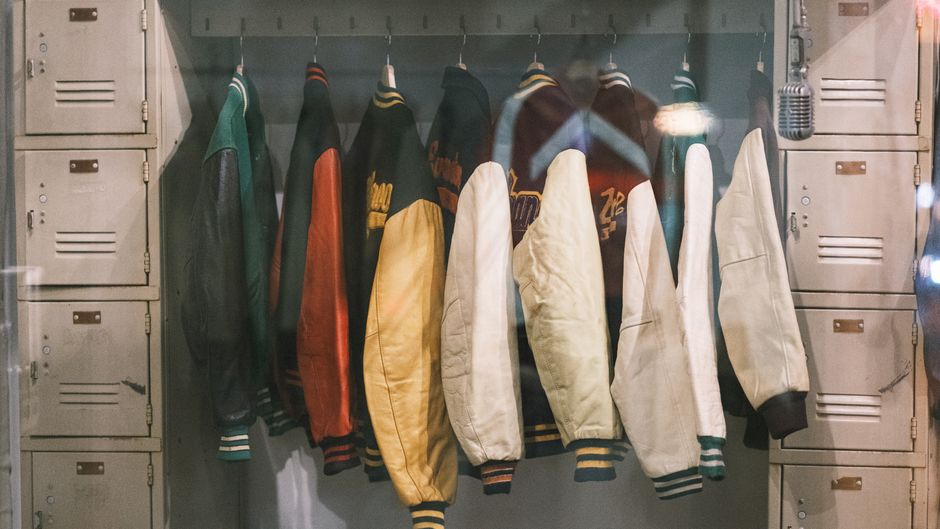
Not all vintage is good vintage. Here’s the quick check.
First, look at the zipper. Metal zippers (especially brass or YKK) are a sign of quality. Plastic zippers that are yellowing or cracked? Pass. Second, check the lining. A fully lined jacket or coat is almost always better made than an unlined one. Third, run your hand over the fabric. Does it feel thin or flimsy? If it’s a knit, hold it up to the light — you shouldn’t see through it easily.
For denim, check the inside of the waistband. If it’s a single layer of fabric with a simple stitch, it’s likely modern fast fashion. If it has a thick, structured waistband with multiple rows of stitching and a leather or paper patch, it’s probably from the 1980s or earlier and will last you years. Brands like Levi’s, Wrangler, and Lee from that era are still common in Newcastle charity shops for £8–£20.
What About Online Second Hand for Newcastle Shoppers?
If you don’t want to leave the house, there are options. Vinted and Depop both let you filter by location — set it to “Newcastle upon Tyne” and you can arrange local pickup, saving on postage. Vinted tends to have cheaper basics (think £3–£10 for Zara or H&M items), while Depop is better for curated vintage and streetwear.
The downside: you can’t try things on. Measure yourself at home (chest, waist, hip, inseam) and keep a tape measure handy. Compare those measurements to the listing. A size 10 from one brand is a size 14 from another. Don’t trust the tag.
Facebook Marketplace is also active in Newcastle. Search for “vintage clothing” or “pre-loved wardrobe” and you’ll find people selling entire lots. The best deals come from people moving out of student housing in June and July — they’re desperate to offload things and will accept low offers.
When NOT to Buy Second Hand Clothing
This is the honest part. Second hand is not always the right choice.
Don’t buy second hand underwear or swimwear. It’s not hygienic, and even if it’s been washed, the elastic is usually shot. Spend the £10–£15 on new from M&S or Uniqlo.
Don’t buy cheap fast fashion second hand. A £5 Primark top from a charity shop is still a £5 Primark top. It will pill, fade, and lose shape after two washes. You’re not saving the planet — you’re just delaying the landfill by a few weeks. Only buy second hand if the original garment was well-made to begin with.
Don’t buy shoes unless you can try them on. Shoes mould to the previous owner’s feet. Even if they look clean, the insole will be compressed, and the arch support will be wrong for you. Exceptions: leather boots that can be resoled, or designer shoes that you’re willing to pay £20–£30 to have professionally cleaned and re-soled.
Your Weekday vs. Weekend Strategy for Newcastle
Weekdays are for charity shops. They’re quieter, the staff have time to restock the rails after the weekend rush, and you’re competing with fewer people. Tuesday and Wednesday mornings are the sweet spot. Hit Oxfam, British Heart Foundation, and St. Oswald’s in that order.
Weekends are for markets and vintage fairs. The Quayside Market (Sundays, 10am–4pm) sometimes has vintage clothing stalls, though it’s more crafts and food. The Newcastle Vintage Kilo Sale happens a few times a year at venues like the Boiler Shop or The Cluny — check Eventbrite for dates. You pay by weight (around £15–£20 per kilo), and you can find some excellent pieces if you’re patient.
Either way, wear clothes you can easily take off and put back on. No complicated zippers or layers. Bring a tote bag. And bring hand sanitiser — you’ll be touching a lot of fabric.