
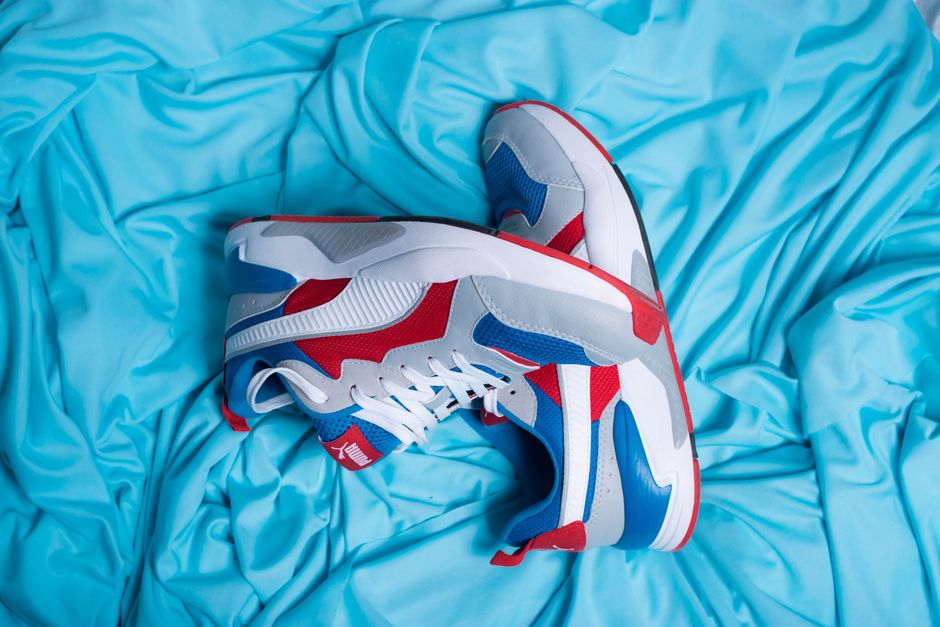
If you run on a treadmill, you need a shoe that handles constant repetition on a flat, forgiving surface. Road shoes work for most people, but the specific demands of indoor running — heat buildup, lack of shock absorption from the belt, and repetitive stride patterns — change what you should look for. This article explains the key factors, common mistakes, and how to pick a shoe that keeps you injury-free.
Why Treadmill Running Changes Your Shoe Needs
The treadmill belt absorbs some impact, but not as much as you think. A typical gym treadmill deck provides about 20–30% shock absorption compared to asphalt. That means your shoe still does most of the work. The second issue is heat. Indoor running generates more heat than outdoor because there is no wind. Your feet swell faster. A shoe that fits snugly for a 5K outdoor run may feel tight after 20 minutes on a treadmill.
Third, the repetitive nature of treadmill running — same pace, same surface, same stride — can amplify minor fit problems. A small hotspot becomes a blister after 45 minutes. A slight heel slip turns into Achilles irritation. The best running shoes for treadmill use address these specific conditions.
Cushioning and Drop: What Actually Matters for Indoor Running
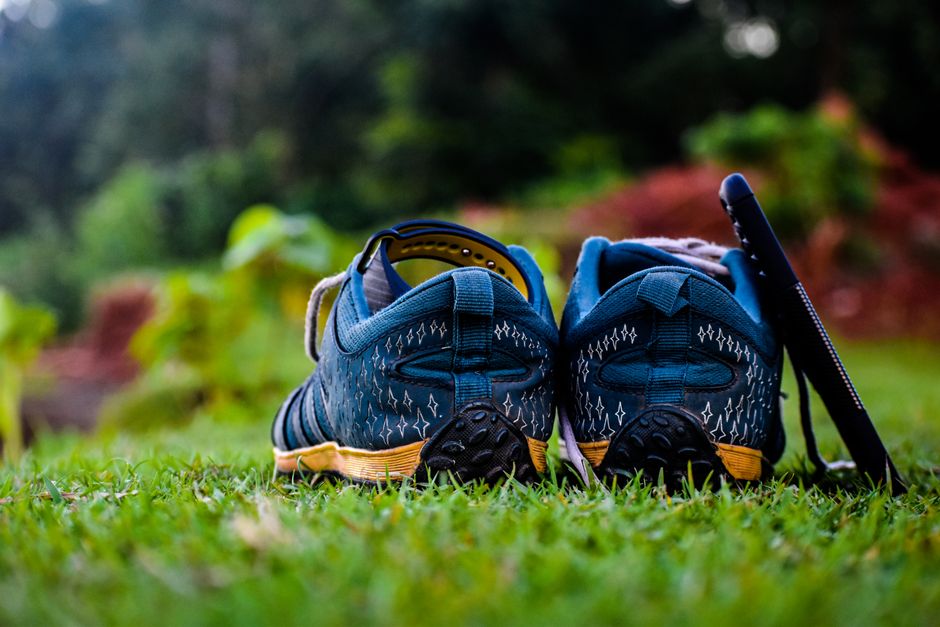
Two specs matter more than any other: cushioning type and heel-toe drop. Here is the breakdown.
Midsole Foam Density
Soft foam feels great for the first mile. The problem is that soft foam compresses under repeated load and loses energy return. On a treadmill, where every stride is identical, soft foam can actually make your legs work harder. Firmer foam — like the Brooks Adrenaline GTS 23 or the ASICS Gel-Nimbus 25 — provides consistent cushioning that does not bottom out. The Adrenaline GTS 23 uses DNA Loft v3 foam, which is medium-firm and returns energy well. The Gel-Nimbus 25 uses PureGEL technology and FF BLAST PLUS ECO foam, giving a softer but stable ride.
Heel-toe Drop
Drop is the difference in height between the heel and toe. Most road shoes have a drop between 8mm and 12mm. On a treadmill, a lower drop — 4mm to 6mm — can reduce strain on your lower back and hips because the belt keeps your stride flat. The Saucony Kinvara 14 has a 4mm drop and weighs 7.9 ounces. It is a lightweight trainer that works well for tempo runs on the belt. The Hoka Mach 5 has a 5mm drop and uses a PROFLY midsole that is firm under the heel and softer in the forefoot. Both are strong options for treadmill-focused runners.
The Three Most Common Mistakes Treadmill Runners Make
I have seen these three errors repeatedly in the gym and in my own training. Avoid them.
- Buying shoes that are too small. Your feet swell on the treadmill. Buy a half-size larger than your street shoe. The Nike ZoomX Invincible 3 runs narrow — if you have a wide foot, try the Brooks Ghost 15 in a 2E width.
- Ignoring outsole wear. Treadmill belts wear down the outsole faster than pavement because the friction is constant. Check the tread pattern every 100 miles. If the rubber is smooth, replace the shoe. The ASICS Novablast 4 has a durable AHAR rubber outsole that lasts about 350–400 miles on a treadmill.
- Using the same shoe for lifting and running. A running shoe has a flexible midsole. A lifting shoe has a firm, flat sole. If you use a running shoe for deadlifts, the foam compresses and destabilizes your stance. Keep separate shoes for each activity.
When Not to Buy a Traditional Running Shoe for the Treadmill
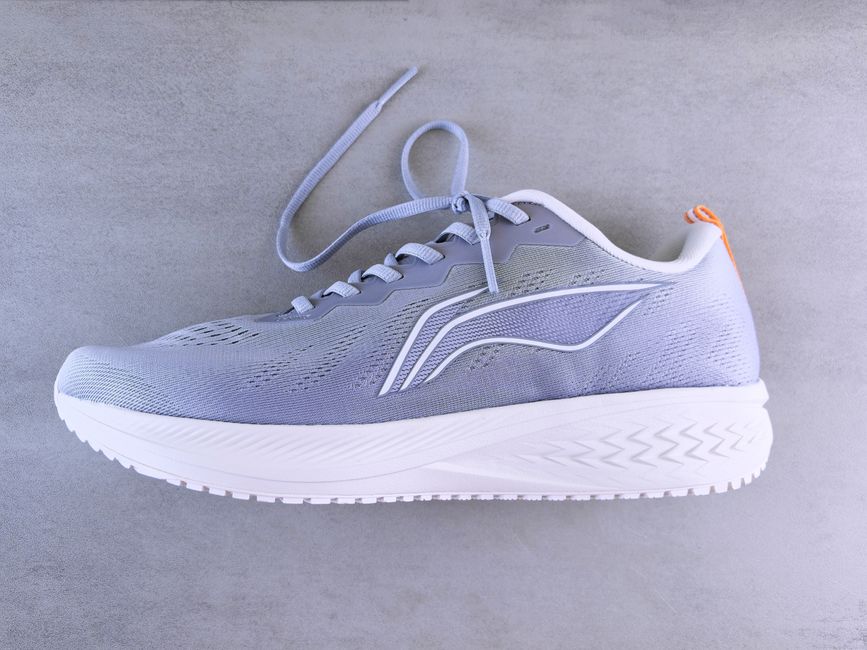
Not everyone needs a standard running shoe. If you have chronic knee pain, a max-cushion shoe like the Hoka Clifton 9 (29mm heel stack, 5mm drop) provides extra shock absorption. If you have flat feet or overpronate, a stability shoe like the Brooks Adrenaline GTS 23 or the ASICS GT-2000 12 is better. If you run mostly at a walking pace (under 5 mph), a cross-training shoe like the Nike Metcon 9 works fine and gives you more stability for other gym work.
One more case: if you run intervals or sprints on the treadmill, look for a lightweight shoe with a lower drop. The Saucony Endorphin Speed 3 has a nylon plate and a 8mm drop, but the rocker geometry makes turnover faster. It is not ideal for easy runs, but for speed work, it is a strong choice.
Comparison Table: Five Recommended Models for Treadmill Use
| Model | Drop (mm) | Weight (oz) | Cushion Type | Best For |
|---|---|---|---|---|
| Brooks Adrenaline GTS 23 | 12 | 10.1 | DNA Loft v3 (medium-firm) | Overpronators, daily miles |
| ASICS Gel-Nimbus 25 | 8 | 10.5 | FF BLAST PLUS ECO (plush) | Heavy runners, knee pain |
| Saucony Kinvara 14 | 4 | 7.9 | PWRRUN (firm) | Tempo runs, lightweight |
| Hoka Mach 5 | 5 | 8.1 | PROFLY (dual-density) | Speed work, responsive ride |
| Nike ZoomX Invincible 3 | 9 | 10.4 | ZoomX (soft) | Recovery runs, comfort |
All of these models are available in standard widths, and most come in wide sizes. The Kinvara 14 and Mach 5 are the lightest options. The Adrenaline GTS 23 is the only stability shoe on this list. The Gel-Nimbus 25 and Invincible 3 are the softest. Pick based on your foot type and primary pace.
This is not legal advice — consult a licensed attorney.