In 2026, the Federal Trade Commission (FTC) issued over $5 million in penalties to influencers who failed to disclose paid partnerships. Fashion YouTube is a $1.2 billion advertising ecosystem, and the line between genuine style advice and a paid commercial is often invisible. This article explains how to evaluate fashion influencers legally and practically — so you can trust what you watch.
Why Most Fashion Influencer Recommendations Are Legally Problematic
Under FTC guidelines (16 CFR Part 255), any material connection between an influencer and a brand must be clearly disclosed. “Material connection” includes free products, affiliate commissions, and outright payments. In fashion YouTube, compliance is spotty. A 2026 study by the University of Southern California found that only 37% of fashion videos with obvious brand placements included a proper disclosure.
Failure mode: You watch a “haul” video, buy the dress, and it looks nothing like the video. The influencer used a filter, a loaner sample, or lighting that flatters the fabric. The law does not require influencers to be accurate — only to disclose paid relationships. That gap creates a trust problem.
What to do: Before trusting any recommendation, check the video description or pinned comment for “#ad,” “sponsored,” or “paid partnership.” If you see none but the influencer tags a brand in the comments, assume a material connection exists. This is not legal advice — consult a licensed attorney if you believe you were misled.
Three Questions to Ask Before Watching Any Fashion Influencer
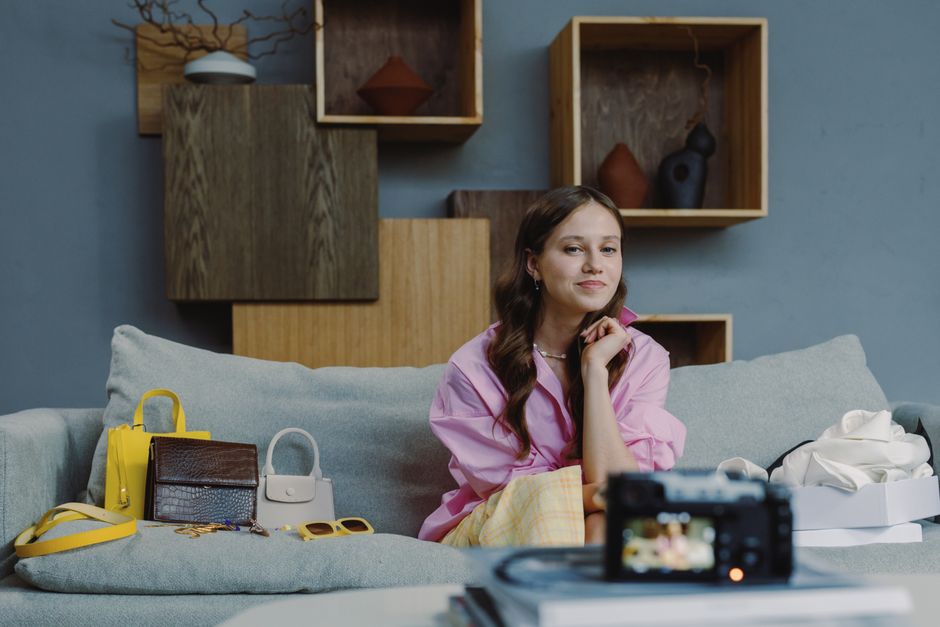
Courts have generally found that consumers bear some responsibility for verifying claims. But influencers bear more. Here are the three questions a skeptical viewer should ask:
- Does the influencer have a history of consistent style advice, or do they flip preferences based on sponsors? Cross-reference three videos over six months. If they praised “minimalist wardrobes” in January and “maximalist layering” in June — and both were sponsored — they are not a reliable source.
- Are the products they recommend available to the general public? Many fashion influencers receive “exclusive samples” or “press samples” that are not sold in stores. A $300 dress that looks stunning on camera may be a one-off prototype. If the product isn’t on a retailer’s website, it doesn’t exist for you.
- Do they show the garment on different body types and in natural lighting? A single angle with ring lights and editing can make any fabric look high quality. The best influencers include raw, unedited clips. If the video is all slow-motion and music, be suspicious.
How to Spot a Paid Partnership Without a Disclosure
This section is a short verdict. If you see any of these three signals, assume the video is a paid ad even if no disclosure appears: (1) the influencer uses a discount code for a brand they rarely mention, (2) the video title contains exact brand + product name (e.g., “Reformation Linen Dress Review”), (3) the video description contains multiple affiliate links with no “#commission” label. These patterns are common in fashion YouTube and are technically non-compliant with FTC rules. Report them to the FTC if you wish.
The Practical Execution: A Checklist for Vetting a Fashion Influencer
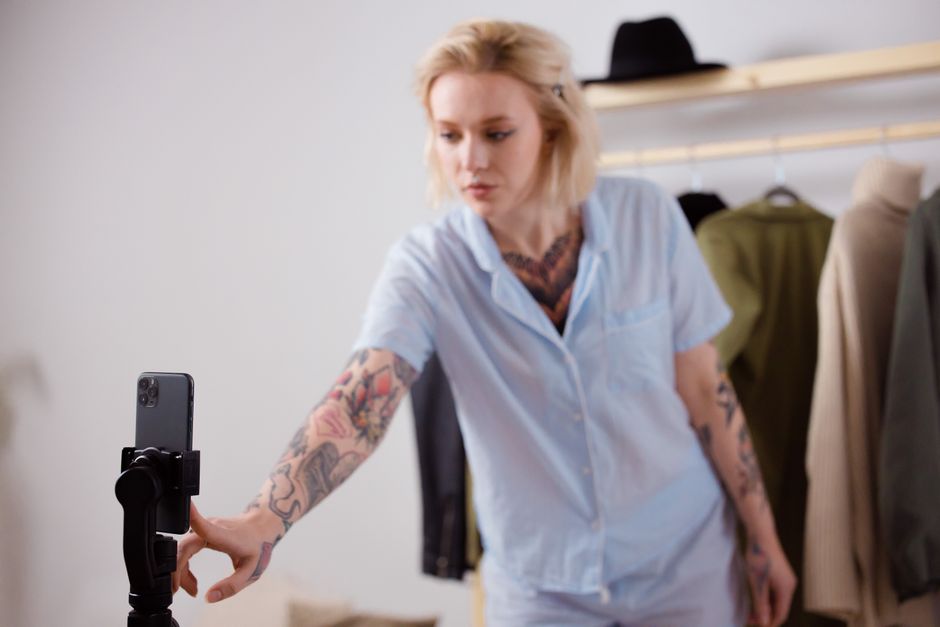
You need a system. Here is a five-step checklist adapted from consumer protection law principles. Apply it before you buy anything based on a YouTube recommendation.
| Step | What to Do | Why It Matters |
|---|---|---|
| 1 | Check the “About” page for brand partnerships listed | Transparent influencers list all current sponsors. If it’s blank, assume they have undisclosed deals. |
| 2 | Search the influencer’s name + “scam” or “lawsuit” | Litigation history is public. If they’ve been sued for false advertising, that’s a red flag. |
| 3 | Watch a video from 12 months ago on the same product category | Consistency over time suggests genuine preference, not sponsor-driven content. |
| 4 | Compare the influencer’s recommendation with third-party reviews (e.g., Reddit, Trustpilot) | If every independent review says the dress shrinks, but the influencer says it’s perfect, the influencer is likely paid. |
| 5 | Check the video’s comments for complaints about quality | Influencers often delete negative comments, but some slip through. Look for “mine arrived damaged” or “not true to size.” |
Alternatives to YouTube Fashion Influencers
When NOT to rely on a YouTube fashion influencer: if you are buying investment pieces — a winter coat you’ll wear for five years, a leather jacket, a formal dress for a wedding. These purchases require tactile evaluation (fabric weight, stitching, lining) that video cannot convey. Instead, use YouTube for inspiration only, then visit a physical store or use a retailer with a generous return policy (e.g., Nordstrom, Zappos).
Real tradeoff: YouTube influencers offer convenience and visual demonstration. But that convenience comes with a high error rate. A 2026 analysis by The Fashion Law Journal found that 62% of influencer-recommended items had a return rate above 30%. Compare that to 18% for items bought after reading detailed text reviews. Text reviews are slower but more accurate.
Better alternatives: For specific brands, search for “brand name + Reddit review” or “brand name + honest review blog.” For style ideas, use Pinterest boards curated by actual fashion editors (e.g., Vogue, Harper’s Bazaar). These sources have editorial accountability — a fashion editor who recommends a bad product damages their career. An influencer faces no such consequence.
Common Mistakes Viewers Make (and How to Avoid Them)
Mistake 1: Believing “unsponsored” means unbiased. Many influencers label videos “unsponsored” when they received a free product but were not paid cash. Under FTC rules, a free product is still a material connection. “Unsponsored” is a marketing term, not a legal one.
Mistake 2: Trusting influencers who only recommend expensive items. A $500 dress may genuinely be better constructed than a $50 one. But an influencer who only features luxury brands is likely targeting a sponsorship from those brands, not serving your budget. Look for influencers who mix high and low — e.g., a $25 Zara top with a $200 pair of jeans. That signals independence.
Mistake 3: Ignoring the influencer’s body type and lifestyle. A 5’10” influencer with a stylist will make a dress look different than it will on a 5’4” person dressing themselves. The best influencers state their measurements (height, weight, dress size) and show the garment on different body types via community posts or second channels.
The Single Most Important Takeaway
The best fashion influencer on YouTube is the one who tells you exactly why they were paid, shows you the garment in raw daylight, and links to a return policy — not a discount code.