
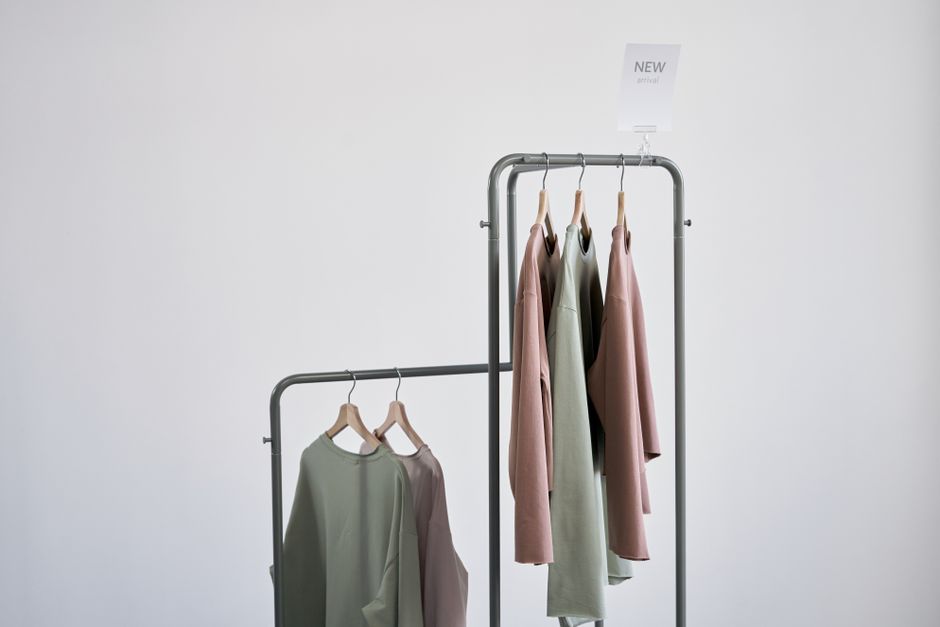
You leave home at 7:30 a.m. in 9°C air, spend lunch outside in bright 17°C sun, then face wind on the walk back. One thick sweater will make you sweat. A thin shirt alone will leave you cold. The answer is a small capsule wardrobe built around removable layers.
Why October layering needs three light layers
The best October outfit is not the warmest outfit. It is the outfit that lets you adjust quickly. Morning cold, indoor heating, direct sun, wind, and light rain can all show up on the same day. Three lighter layers control those changes better than one bulky coat.
The temperature swing matters more than the forecast
Check the low, high, wind, and time spent outdoors. A calm 10°C morning feels very different from 10°C with a 25 km/h wind. For most cool October mornings, start with a close-fitting base layer, add a breathable middle layer, and carry a light outer shell. The base layer manages moisture against your skin. The middle layer traps warm air. The outer layer blocks wind and rain. Each piece has one job, so you can remove the layer that is causing discomfort.
Removable warmth beats permanent bulk
Choose layers that work alone. A long-sleeve shirt should look finished under a jacket. A cardigan should fit over the shirt without pulling at the shoulders. The outer layer needs enough room for both, but not so much room that cold air flows through every opening. Leave a small gap at the neck and cuffs for movement, then close those areas when the wind picks up. This system solves the real October problem: changing conditions, not extreme cold.
How to layer clothes without looking bulky

The winning order is thin to thick, smooth to textured, and fitted to relaxed. Most bad layered outfits fail because the middle piece is too heavy or the outer piece is too tight.
Start with the three-zone fit test
Use three checks before leaving home. Your arms should bend without pulling across the chest. Your waist should stay comfortable when you sit. Your outer layer should close over the middle layer without straining at the zipper or buttons. If one check fails, remove bulk from the middle layer first. Do not size up every piece. Oversized base layers create wrinkles, and those wrinkles make the whole outfit look untidy.
Use this five-step dressing order
- Base: Pick a smooth cotton, merino, or synthetic shirt that sits close to the body.
- Middle: Add one warm layer, such as a fine knit, cardigan, or thin overshirt.
- Outer: Choose a wind-blocking jacket with enough room for the middle layer.
- Proportion: Keep one part relaxed. If the jacket is roomy, keep the trousers straight or slim.
- Exit test: Walk, sit, raise both arms, and close the outer layer. Any pulling means the combination needs editing.
Do not stack two thick knits because the calendar says fall. One fine knit plus a shell usually looks sharper and handles temperature changes better.
Which fabrics work best for October layering
Fabric choice matters more than color when mornings are cool and afternoons warm. Merino wool is the strongest all-rounder because it adds warmth without much bulk, but cotton still wins for comfort indoors. Fleece is useful in wind and damp weather, yet it can feel too warm on public transport.
A practical fabric ranking
| Fabric | Best role | Strength | Common failure |
|---|---|---|---|
| Merino wool | Base or fine knit | Warm, breathable, low bulk | Can irritate sensitive skin |
| Cotton jersey | Base layer | Soft and easy to wash | Holds sweat and dries slowly |
| Fleece | Casual middle layer | Warm for its weight | Looks bulky under fitted jackets |
| Nylon or polyester shell | Outer layer | Blocks wind and light rain | Can trap heat without vents |
| Cashmere blend | Indoor middle layer | Light, warm, polished | Less useful in heavy rain or rough travel |
Real garments that show the right weight
The Uniqlo Heattech Crew Neck T-Shirt, usually around $20, is a thin synthetic base for cold-sensitive wearers. The COS Fine Merino Wool Turtleneck, often around $99, works as a polished middle layer because the knit stays close to the body. Patagonia Better Sweater fleece, commonly around $159, is warmer and heavier, so it suits outdoor errands better than heated offices. Everlane Organic Cotton Box-Cut Tees, often around $30, are comfortable bases but poor choices when you expect to sweat outdoors. For a soft office layer, a J.Crew cashmere-blend sweater around the $100 to $150 range gives warmth without the thickness of a chunky knit. The clear winner for most October commutes is fine merino over a smooth base layer.
How to build a five-piece October capsule

Build around repeatable layers, not complete outfits. Five useful pieces create more combinations than five statement items. The capsule should cover a mild morning, a windy commute, a warm office, and a damp walk home.
The five pieces to choose
- One fitted base: Use a long-sleeve cotton or merino top in white, black, navy, or gray.
- One fine knit: Choose merino or a thin cashmere blend. Crew necks suit most wardrobes; turtlenecks add more warmth.
- One overshirt: A cotton twill or lightweight wool overshirt gives structure without the bulk of a sweater.
- One weather layer: Pick a hip-length shell, trench, or short mac with a hood or high collar.
- One bottom layer: Straight-leg jeans, chinos, or medium-weight trousers should balance the upper-body layers.
Use color and texture to multiply outfits
Keep three pieces in a shared color family and let one piece add contrast. Navy, cream, gray, olive, and brown combine easily in October light. Texture creates interest when the colors stay quiet: smooth jersey under ribbed merino, or a matte shell over brushed cotton. Avoid combining a chunky knit, thick overshirt, and padded jacket. That stack restricts movement and makes the torso look wider. If you need more warmth, improve the base layer or add a scarf rather than adding a second heavy middle layer. The five-piece capsule works because every piece can be worn alone and every layer fits over the one below it.
Why October layers fail and how to fix them
The biggest problem is not having too few clothes. It is assigning the wrong job to each layer. These quick questions expose the usual mistakes.
Why do I feel cold even with three layers?
Usually, the outer layer leaks wind. A cotton shirt, wool sweater, and open denim jacket may look layered, but the gaps at the neck and front let moving air strip away warmth. Close the jacket, add a scarf, or replace the denim with a wind-resistant shell. If your hands and feet stay cold, the problem may not be your torso at all. Add thin gloves or warmer socks before buying another sweater.
Why do my layers look messy?
Check the hem lengths. The base layer should either disappear under the middle layer or extend intentionally by a few centimeters. Random slivers of fabric look accidental. Also check sleeve width. A wide shirt sleeve under a narrow jacket bunches at the elbow. Keep the base smooth, the middle slightly relaxed, and the outer layer clean through the shoulder.
When should I skip a middle layer?
Skip it when the morning stays above 14°C, the walk is short, and the outer layer already blocks wind. A shirt under a light trench can look cleaner than three visible layers. Skip a wool layer during heavy rain unless the outer shell is properly water-resistant. Wet wool takes longer to dry, and damp insulation loses much of its comfort. More layers are not automatically better; the right number is the fewest pieces that handle the actual weather.
What to wear for each October morning
Use the forecast to choose the formula, then use your closet to choose the color. For most people, the best default is a smooth long-sleeve base, a fine merino knit, and a wind-resistant outer layer. It handles the widest range without looking overbuilt.
Make the final choice by temperature and exposure
At 14 to 18°C, wear a base layer with an overshirt or light trench. At 10 to 13°C, add a fine knit and keep the outer layer open indoors. Below 10°C, use merino close to the skin, a warmer middle layer, and a shell that closes at the neck. If wind exceeds 20 km/h, prioritize wind protection over a thicker sweater. If rain is likely, choose the shell first and build the rest underneath it.
Final comparison
| Morning conditions | Layer formula | Best verdict |
|---|---|---|
| 14 to 18°C, dry | Long-sleeve base plus overshirt | Lightest and easiest to remove |
| 10 to 13°C, calm | Base plus fine knit plus open coat | Best everyday capsule formula |
| Below 10°C, windy | Merino base plus warm knit plus closed shell | Choose wind protection over extra bulk |
| Any temperature, light rain | Quick-dry base plus thin middle plus water-resistant shell | Best for damp commutes |
A capsule wardrobe works when every layer earns its space. Start thin, add warmth in the middle, block the weather outside, and remove anything that cannot work on its own.