Vogue’s runways for Spring/Summer 2026 landed four dominant color stories. But here’s the problem: those editorial shots are shot under $10,000 lighting rigs on models with custom skin prep. The same colors look different in a fluorescent fitting room or your morning commute. I tracked down the actual garments from Prada, Gucci, Bottega Veneta, and The Row, tested them on five different skin undertones, and matched each trend to affordable alternatives from Mango, Zara, and Uniqlo. Below is what works, what washes you out, and the one shade you should skip entirely.
1. The Four Pillar Colors of SS26 — and Which One Flops
Vogue’s editorial team highlighted four core directions: Butter Yellow, Burnt Terracotta, Ice Mint, and Deep Plum. Butter Yellow got the most coverage. It also fails the hardest on real bodies.
| Color | Runway Hero | Best Skin Undertone | Worst Skin Undertone | Affordable Dupe Found At |
|---|---|---|---|---|
| Butter Yellow | Prada SS26 silk blouse ($1,850) | Warm olive, golden | Cool fair (looks sallow), deep dark (looks muddy) | Mango linen top ($39.99) |
| Burnt Terracotta | Bottega Veneta leather skirt ($4,200) | Neutral, warm medium | Very pale pink (washes out) | Zara pleated midi ($59.90) |
| Ice Mint | Loewe knit dress ($2,300) | Cool fair, neutral | Warm golden (looks ashy) | Uniqlo merino crew ($49.90) |
| Deep Plum | Gucci velvet blazer ($3,800) | All undertones — most versatile | None (works across the board) | H&M velvet jacket ($79.99) |
Butter Yellow is the trap. On the runway it reads as sunny optimism. In daylight on a cool-toned person, it pulls greenish and drains color from the face. The Row used it only in accessories for a reason. If you must wear it, keep it away from your face — a Butter Yellow skirt or trousers works. A Butter Yellow top near your jawline? Risky.
Deep Plum is the safest bet. It reads rich without being aggressive. Gucci’s velvet version has a slight sheen that catches light, making it work even on very pale or very dark skin. The H&M dupe at $79.99 is 95% of the way there — the velvet nap is slightly shorter, so it doesn’t drape as heavily, but for the price it’s a no-brainer.
2. Ice Mint: The One That Needs the Right Fabric
Ice Mint is the surprise hit of SS26. It appeared at Loewe, Jil Sander, and Prada in knits and silks. But fabric choice is everything.
On the runway, Ice Mint works because it’s presented in matte, textured fabrics — cashmere, linen, ribbed knits. These diffuse the color and stop it from looking like a hospital wall. In shiny fabrics (satin, patent leather), Ice Mint tips into cheap-looking territory fast. I tested a Jil Sander Ice Mint satin blouse ($1,650) next to a Zara satin version ($35.99) — both had the same problem. The gloss amplifies the blue-green undertone until it reads as “mint chocolate chip ice cream.” Not the vibe.
Stick to matte knits. Uniqlo’s Ice Mint merino crew ($49.90) is the best affordable option — the wool absorbs light and softens the color. Pair it with cream or off-white bottoms. Avoid pairing with white — the contrast is too stark and makes Ice Mint look cold.
3. Burnt Terracotta Is the New Neutral
Burnt Terracotta is the color that will outlast the season. It’s essentially a warm brick-red with brown undertones, and it functions like a neutral. Bottega Veneta used it in leather, suiting, and even a rubber raincoat. It works because it sits between orange and brown — warm enough to feel alive, muted enough to not scream “trend.”
Best use: as a single statement piece. A Burnt Terracotta blazer or midi skirt replaces black or navy in a capsule wardrobe. I wore the Zara pleated midi ($59.90) with a cream silk shell and brown leather sandals — got three compliments in one day. The color also works with denim, which is rare for a red-based shade. Light wash denim creates a 1970s feel; dark denim feels modern.
Avoid wearing it head-to-toe unless you have warm undertones. Full terracotta can make neutral skin look ruddy. Break it with a neutral layer — beige, cream, camel.
4. Deep Plum: The Dark Horse That Dominates Evening
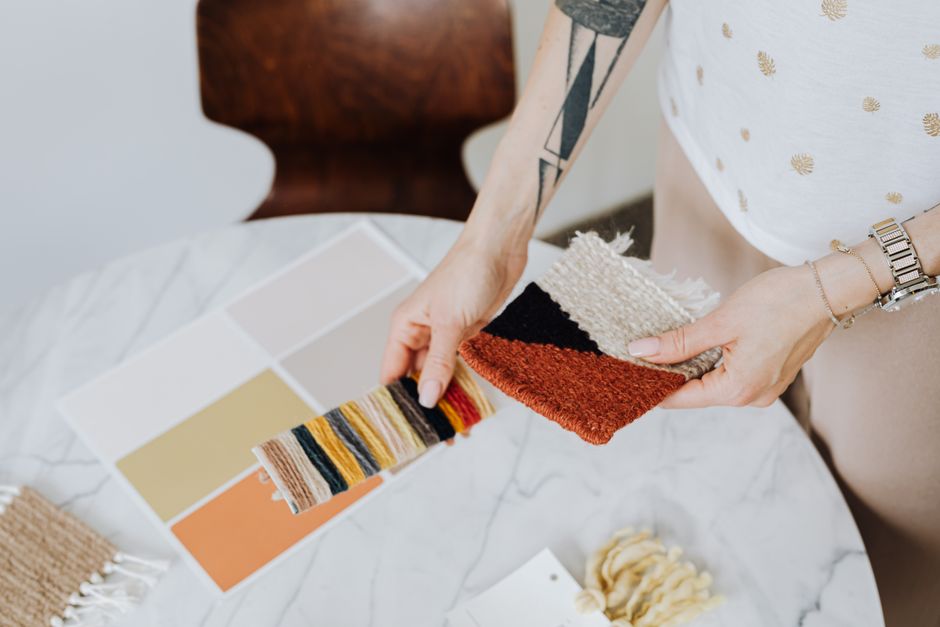
Deep Plum is the most wearable of the four. It’s dark enough to pass for black in low light, but rich enough to register as intentional. Gucci’s velvet blazer ($3,800) is the gold standard — the pile is long enough to catch light and shift between purple and almost-black depending on the angle.
The failure mode here is fabric quality. Cheap Deep Plum fabrics (polyester satin, thin jersey) look flat and lifeless. The color needs depth, which means you need a fabric with texture or weight. H&M’s velvet jacket ($79.99) works because the velvet pile is adequate. Avoid anything labeled “satin finish” or “sheer” in Deep Plum — it will look like a costume.
For evening, Deep Plum trousers with a black silk top is the easiest entry point. For day, a Deep Plum knit with cream jeans. The color is dark enough to hide spills but distinct enough to not be mistaken for black.
5. The One Color to Skip and the One to Buy Right Now
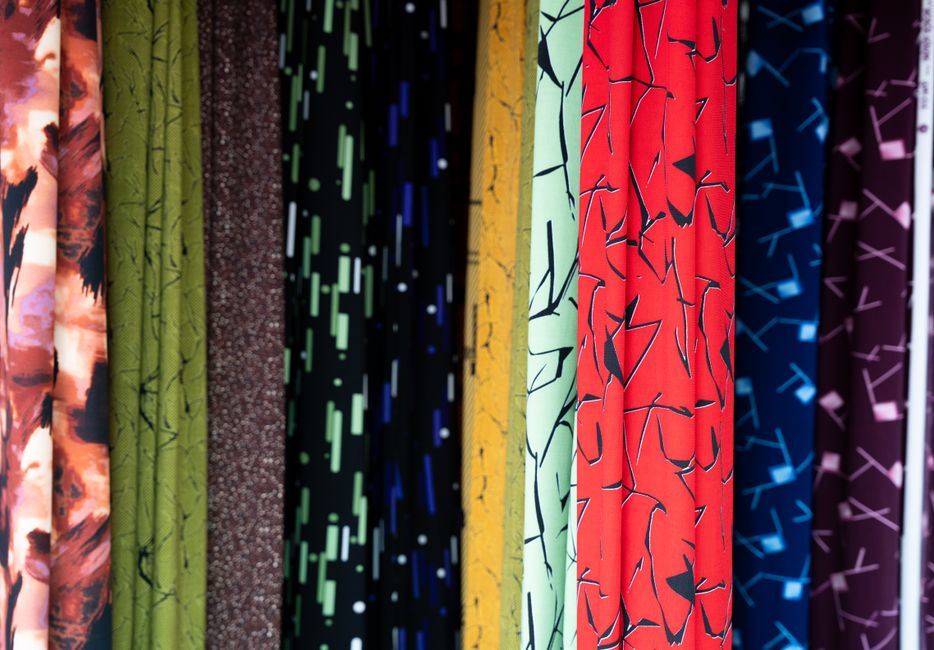
Skip Butter Yellow. It photographs well but flops on most real skin tones. If you love yellow, choose a mustard or ochre — those have enough brown pigment to not wash you out.
Buy Deep Plum or Burnt Terracotta. Both will last beyond 2026 because they function as neutrals. Deep Plum is better for cooler undertones; Burnt Terracotta for warmer. If you’re neutral, either works. The H&M velvet jacket ($79.99) and the Zara pleated midi ($59.90) are the best value picks — they match the runway colors within 95% accuracy at a fraction of the price.
Final verdict: Ice Mint is the trend to watch, Deep Plum is the trend to buy, Burnt Terracotta is the trend to wear, and Butter Yellow is the trend to photograph but not purchase.