By 2001, Hot Topic had grown from fewer than 15 stores to over 300 locations across North American malls. That expansion tracks almost exactly with how the underground aesthetic got absorbed, diluted, and resold back to the same teenagers who originally built it. The original scene wasn’t anti-fashion — it was anti-beige, with specific brand loyalties, specific silhouettes, and a visual logic that the current TikTok revival mostly gets wrong.
The Split Between Underground and Mainstream Y2K
Two different Y2K moments ran simultaneously. The mainstream version — Juicy Couture tracksuits, Von Dutch trucker hats, rhinestone baby tees from Delia’s — gets revival coverage every few years because it photographs well and sits comfortably on celebrities. That version is not what this covers.
The underground version pulled from four converging subcultures: industrial goth, UK rave and garage, nu-metal styling, and Harajuku crossover imports filtering through publications like Gothic Lolita Bible. The color palette ran from UV-reactive neon to flat matte black, with very little in between. Mainstream Y2K communicated wealth and access. Underground Y2K communicated that you knew something specific — and that you’d made an effort to find it.
What “Underground” Actually Meant Commercially
Even the underground had commercial expressions. Tripp NYC sold through Hot Topic. Lip Service ran a mail-order catalog. The distinction wasn’t that these brands were boutique or independent — it’s that they served a subcultural audience without trying to cross over. Their design language didn’t make sense outside of that context. They didn’t try to make it make sense.
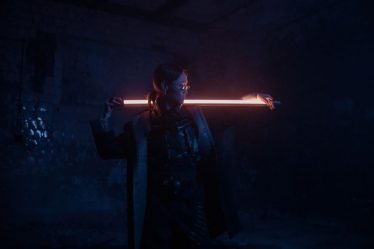
Cyber goth, trad goth, and nu-metal-adjacent styling had different visual signatures despite often sharing rack space. Cyber goth meant UV materials, goggles, and synthetic hair extensions. Trad goth within this era meant velvet and silver hardware. Nu-metal-adjacent meant cargo construction, wallet chains, and band graphics. These are distinct looks that borrowed from the same period, and mixing their references is the most visible mistake in current revivals.
Why the Current Revival Misses the Point
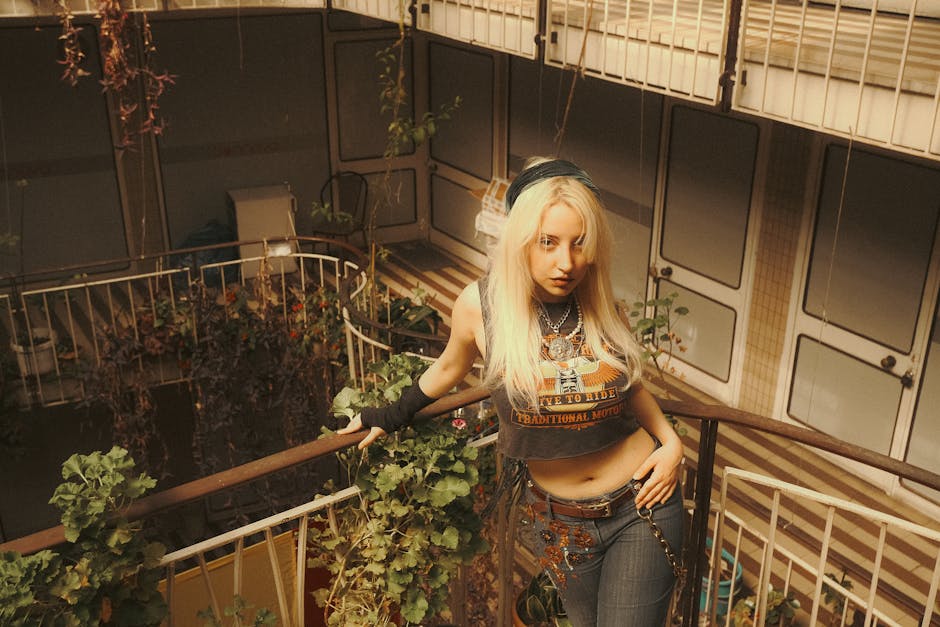
The dominant 2026 version borrows aesthetically from mainstream Y2K and drops underground references in for edge — a spike collar on an otherwise pastel outfit, bondage-strap detailing on a mini skirt from a fast fashion brand. This isn’t wrong. But it’s a different thing entirely. The underground aesthetic had internal consistency: every piece was a reference that other people in the scene would recognize. The hybrid version circulating now is decorative borrowing rather than subcultural construction. That distinction matters if you’re trying to build the actual look rather than an approximation of it.
Underground vs. Mainstream: Key Pieces Compared
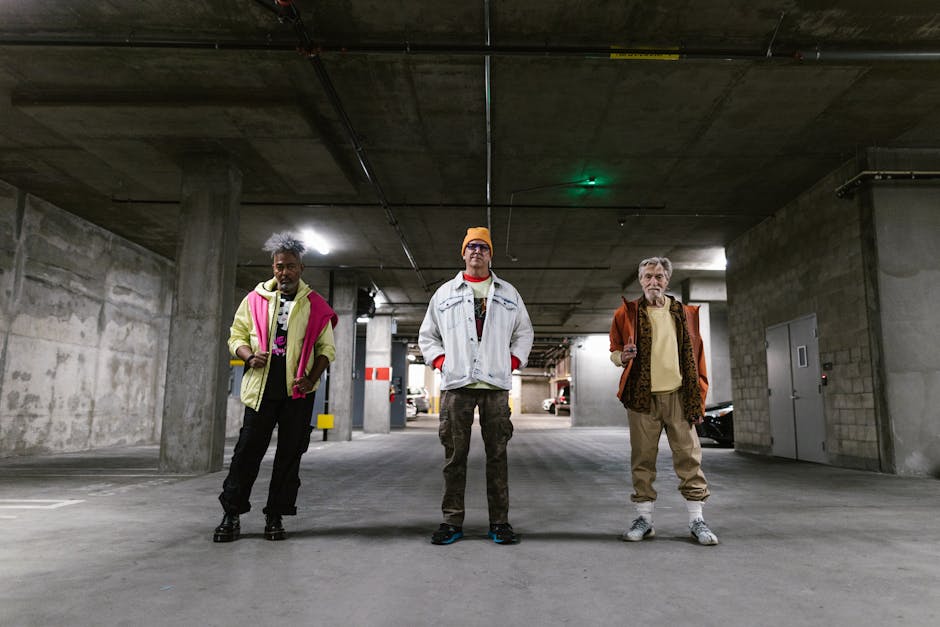
Both versions have internal logic — the underground isn’t superior to the mainstream, it’s a different thing with different rules. The clearest way to see the difference is piece by piece.
| Category | Underground Y2K | Mainstream Y2K | Key Difference |
|---|---|---|---|
| Pants | Tripp NYC bondage pants (D-rings, chains), JNCO wide-leg with hardware | Juicy Couture velour sweats, low-rise bootcut denim | Hardware weight vs. softness |
| Tops | Fishnet layered over a tank, Lip Service PVC crop | Rhinestone baby tee, Delia’s logo tee, fitted bandeau | Texture and opacity |
| Footwear | Demonia Camel-311 (3.5-inch platform), New Rock M.1140 reactor boot | Skechers Energy, kitten mule, strappy sandal | Platform height and material |
| Outerwear | Tripp asymmetric zip jacket, black faux fur with hardware trim | Pink faux fur jacket, white puffer, velour zip-up | Color palette and construction |
| Accessories | Spike collar, wallet chain, vinyl arm warmers, d-ring belt | Butterfly clips, thin charm bracelet, mini shoulder bag | Material and subcultural signal |
The hardware weight difference in the pants row matters more than it looks. Tripp NYC bondage pants aren’t just decorated denim — the D-rings and chain loops are structural elements that change how the pants hang and move. Reproductions using lightweight hardware or skipping the internal construction that anchors the D-rings look similar in photographs and read completely differently in person. This is why original-run pieces remain worth higher resale prices even when current production is available.
PVC functions differently from matte fabric at the same silhouette. It reflects light, holds shape differently, and doesn’t layer well with itself. Lip Service understood this — their pieces combined PVC with mesh or fabric elements to manage visual weight. Pieces that are entirely PVC read as costume. Pieces that use it selectively read as intentional.
The Five Brands That Built This Scene
These brands appear repeatedly in any serious documentation of the original underground Y2K aesthetic. Three are still producing. Two have significant resale markets but limited current availability.
Still in Production
- Tripp NYC — Founded 1999, still active. Bondage pants with D-rings, chain loops, and contrast zipper detailing became a scene standard. Current production runs $75–95. Original-run pieces from 2000–2004 appear on Depop for $40–120 depending on condition and colorway.
- Demonia Footwear — The Camel-311 platform boot (3.5-inch platform, 5-inch total heel height) was worn across every corner of the underground scene. Still produced at $120–150. The SHAKER-52 platform sandal was the summer version. Current production quality matches the original era output closely.
- New Rock Boots — Spanish brand, continuous production since the 1980s. The M.1140 with reactor soles and the M.MILI083 military-inspired style defined the goth-adjacent corner of the scene. Current pricing runs $200–400. They’ve never meaningfully deviated from their core aesthetic.
Primarily Resale Now
- Lip Service — Los Angeles-based catalog brand. PVC skirts, latex-adjacent bodycon pieces, cut-out construction. Their Wicked Ways line from 2001–2003 is the most documented reference for the club-to-street transition. Grailed carries more Lip Service stock than Depop. Condition on resale is inconsistent — check hardware integrity specifically before purchasing.
- Killstar — Founded 2012, technically post-era, but functions as the primary current commercial reference for this aesthetic. Their catalog mirrors Lip Service and Tripp aesthetics closely enough to be a viable sourcing option when originals aren’t available or exceed budget.
The Rule That Prevents This From Becoming a Costume
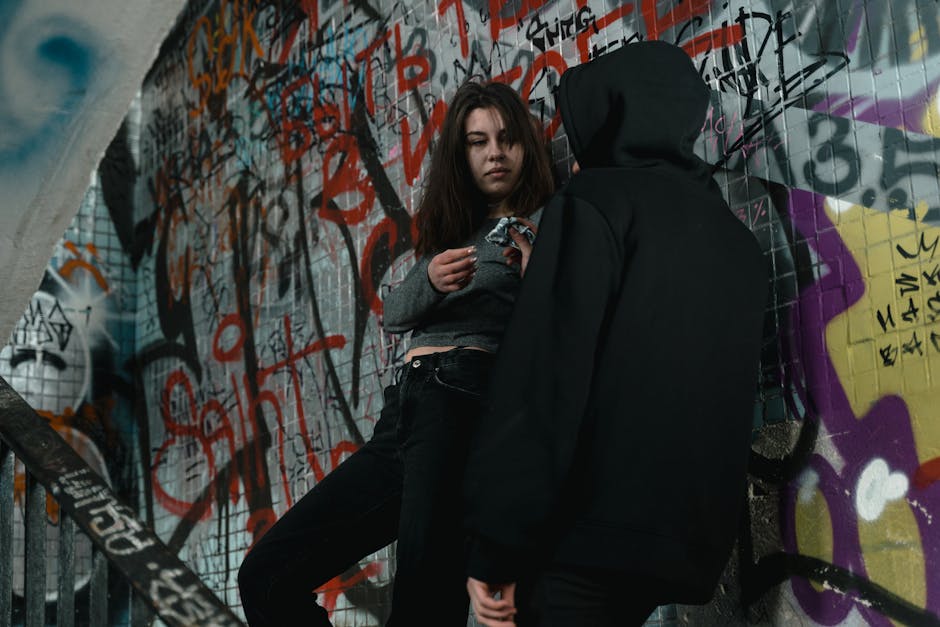
Wearing more than two major underground Y2K references simultaneously makes the outfit read as assembled rather than worn. Tripp bondage pants plus a mesh top is a look. Add platform boots, a spike collar, and vinyl arm warmers in the same fit and you’ve crossed into Halloween territory — every piece is a maximum signal and the total becomes noise.
One hero piece. Everything else flat black. That’s the entire rule.
Sourcing and Building the Look in 2026
Sourcing splits across current production, resale, and reproduction. Here’s what actually works:
- Anchor on one structural piece first. Tripp NYC bondage pants ($75–90) or Demonia Camel-311 boots ($130–150 through authorized retailers) are the most accurate current-production entry points. Don’t start with accessories — they have no visual context without something structural underneath them.
- Neutralize everything else. Plain black fitted top with Tripp pants. Black straight-leg trousers under platform boots. The underground Y2K aesthetic is not maximalist — it’s one loud piece against a deliberately flat backdrop. The contrast is the design.
- Pick a subculture lane and stay in it. Cyber goth means UV-reactive materials, goggles, and synthetic extensions. Trad goth means velvet and silver. Nu-metal means cargo construction and chains. Mixing signals from multiple lanes in one outfit reads as someone who researched the aesthetic rather than someone who lived adjacent to it.
- Source resale for tops and accessories; use current production for footwear and pants. Demonia’s current output matches their 2001 production in quality and spec. Tripp’s current bondage pants are made to the original construction. For tops and accessories, original-run pieces from Depop carry more visual weight than reproductions — but condition varies, so check photos of hardware specifically.
- Size up on resale. 2001-era sizing runs significantly smaller than current equivalents. Tripp pants from that period typically run 1–2 sizes smaller by modern measurement. Lip Service runs even smaller. Demonia sizing has stayed consistent, which makes current production easier to size accurately.
Questions About Wearing This Aesthetic
Is the underground Y2K revival actually happening, or is it just the mainstream version?
Two separate revivals. The mainstream wave peaked around 2026–2026 and is now in the mass-retail collaboration phase — the point where the aesthetic has been fully digested by fast fashion. The underground version is a smaller, slower movement. Killstar and current-production Tripp NYC have seen significant search traffic increases since 2026, but neither has hit mainstream retail saturation. That gap is what keeps the underground version viable as an aesthetic rather than a completed trend cycle.
Can any of this translate to a work context?
Almost nothing translates directly. A Tripp NYC jacket over plain black trousers is the closest workable hybrid — the hardware reads as design detail at a glance rather than subcultural signal. Everything else — bondage pants, boots over 3 inches, PVC, spike accessories — is genuinely context-specific. That’s not a flaw in the aesthetic. Context-specificity is part of what made it function as subculture in the first place.
Where do you find original pieces without paying inflated prices?
Depop for Tripp NYC originals: search “y2k bondage pants” and filter by era, or try variations like “tripp pants 2000s.” Grailed has more Lip Service stock than Depop. eBay covers vintage Demonia and New Rock, often at $40–90 for older stock in worn condition. On all platforms, check photos of hardware specifically — replacing D-rings and chain loops is harder to source than fabric repairs.
When Underground Y2K Is the Wrong Choice
If your wardrobe goal is versatility, this aesthetic will not serve it. Y2K underground fashion is context-specific in a way the mainstream revival isn’t. A Von Dutch hat now reads as broadly ironic — it’s been absorbed enough that wearing it doesn’t require subcultural membership. Tripp NYC bondage pants with D-ring chains are still subcultural. They carry weight precisely because they haven’t been fully normalized, and wearing them in contexts where that weight has no frame of reference doesn’t dilute the aesthetic — it just creates an incongruent outfit.
For people who want the period’s energy without the subcultural commitment, cleaner alternatives exist. Diesel’s straight-leg denim from the same era has been reissued and runs $90–180. Early Von Dutch originals (not the 2015 merchandise resurgence) read as period-accurate without requiring scene knowledge. Moschino’s Y2K-inflected pieces from 2003–2005 carry the era’s energy with less subcultural weight attached — these appear on resale at $80–250 depending on condition.
The cyber goth branch is the most actively documented corner of this world online, with dedicated communities on Discord maintaining detailed sourcing guides. The nu-metal corner is the least documented and most reliant on resale sourcing. Trad goth Y2K sits between them — brands like Killstar, Dark In Love, and Alchemy Gothic maintain current production lines that map closely to the original aesthetic without requiring vintage sourcing.
If you want the actual underground aesthetic — not a decorative version, not a hybrid — it requires the actual pieces and an understanding of the internal logic that connects them. A spike collar on a fast fashion outfit isn’t underground Y2K. It’s decoration borrowing a reference without the frame that makes the reference mean anything.