
You saved three Reddit threads, opened six review tabs, and still have no idea which earbuds will survive the first sharp turn. That is the real problem with jogging earbuds: a model can sound excellent on a sofa and become useless once sweat, foot strike, wind, and traffic enter the picture.
The right choice starts with the run, not the brand. You need to match ear security, outside awareness, sweat protection, controls, and battery life to the route you actually run. Use the process below to turn scattered Reddit opinions into a shortlist you can trust.
Start with the route before you read another Reddit comment
Jogging earbuds solve one basic problem: they let you carry audio without carrying a phone speaker, but every route creates a different set of risks. A quiet treadmill rewards isolation and strong bass. A city street demands outside awareness. A wet park trail punishes weak water protection. If you choose from a popularity list before naming your route, you are comparing products against the wrong job.
Map the four conditions that change the decision
| Running condition | What matters most | Common mistake |
|---|---|---|
| Indoor treadmill | Stable fit, clear controls, full sound | Paying extra for features you never use |
| City streets | Outside awareness, wind control, secure fit | Using strong noise cancellation near traffic |
| Rainy park paths | Water resistance, easy cleaning, physical buttons | Confusing sweat resistance with waterproofing |
| Long weekend runs | Battery, comfort, charging speed | Buying a tiny battery and carrying a case |
| Intervals or sprints | Low movement, quick controls, no cable bounce | Choosing a loose fit because it feels soft |
Use a simple scoring rule
Give each model a score from one to five for fit, safety, sweat protection, battery, controls, and sound. Double the fit and safety scores. Those two areas decide whether the earbuds help your run or become another problem to manage. A pair with perfect sound but a loose seal should lose to a slightly less exciting model that stays in place for ten kilometres.
Separate runner opinions from runner conditions
Reddit comments become useful when you read the details around the recommendation. “Best earbuds ever” tells you almost nothing. “Stayed secure during a six-mile run in heavy rain, but the controls were hard with gloves” tells you exactly what to investigate. Look for route type, distance, weather, ear shape, and how long the person has owned the product. Those details matter more than upvotes.
Fit beats sound quality on every serious run

My blunt verdict: the best jogging earbuds are the pair you stop thinking about after five minutes. A secure fit matters more than a wider soundstage because movement changes the seal, and a changing seal ruins bass, speech clarity, and comfort at once; choose wing tips, hooks, or an open-ear frame when your ears reject ordinary silicone tips, and choose conventional in-ear buds only when they lock into your ear without pressure or repeated adjustment.
The right fit should survive movement
Walk, jog, shake your head, and perform ten bodyweight squats before trusting a pair; if the left earbud shifts during that test, it will shift faster once sweat makes the skin slick, so a firm but painless hold is the winning fit even when another model sounds richer in a quiet room.
Do not confuse pressure with security
An earbud that feels wedged into the canal may seem safe for the first mile, but that pressure often creates soreness and hot spots; the better design spreads contact across the outer ear, keeps the housing light, and lets you hear your own footfall without turning the volume high enough to mask the street.
Choose sound and safety for the place you run
The category exists because runners need two things that often fight each other: a private audio experience and enough awareness to notice bicycles, cars, people, and changing surfaces. Noise cancellation gives you a cleaner podcast and stronger low-end impact, but it can also make a familiar route feel strangely sealed off. Open-ear designs solve the awareness problem by sending sound beside the ear instead of blocking the canal, yet they lose detail when wind gets loud. Neither approach wins everywhere.
For roads, awareness is part of the specification
On a road or shared path, start with the lowest safe listening level that keeps speech understandable. Open-ear headphones are the cleanest choice when traffic awareness matters, but they still cannot make an unsafe route safe. Keep one ear aware of the environment, avoid crossing streets while staring at a watch, and lower the volume before a blind corner or crowded trail section.
For podcasts, speech quality matters more than bass
Podcast listeners should look for stable midrange sound and wind control rather than dramatic bass. Strong bass can feel exciting during the first ten minutes and tiring by the final mile. A clear voice lets you listen at a lower level, which helps comfort and preserves attention. If a model makes speech sound hollow outdoors, it is a poor running tool even if music sounds impressive indoors.
For music, isolation has a real tradeoff
Noise cancellation makes indoor training easier because treadmills, fans, and gym music create a steady wall of sound. It is a different story beside traffic. If you choose sealed earbuds for outdoor running, disable full noise cancellation and use an awareness mode you can activate without opening an app. The feature must be easy to reach while moving, or you will not use it when the route changes.
The Reddit shortlist, sorted by the job each model does

These are the models that make sense for different jogging problems, not a claim that one pair suits every ear. Prices below are typical retail figures around 2026 and can move during sales.
1. Best for road awareness: Shokz OpenRun Pro 2
- Shokz OpenRun Pro 2 — about $179.95: This open-ear bone-conduction model is the clearest pick for runners who need traffic awareness and dislike canal pressure. Battery life reaches about 12 hours, and the IP55 rating handles sweat and light rain. It will not deliver the deep, sealed bass of an in-ear model, and loud wind can reduce detail, but that is the tradeoff for keeping the ear canal open. For outdoor road jogging, this is the safest recommendation in the shortlist.
- Bose Ultra Open Earbuds — about $299: Bose uses a clip-style open design that sits beside the ear rather than sealing it. The sound is fuller than many open-ear rivals, and the advertised battery life is around 8 hours. They are comfortable for people who hate ear tips, but the price is high and the fit can feel less secure during fast intervals. Choose them for relaxed outdoor runs when music quality matters more than maximum lock-down.
2. Best for wet, fast training: Jabra Elite 8 Active
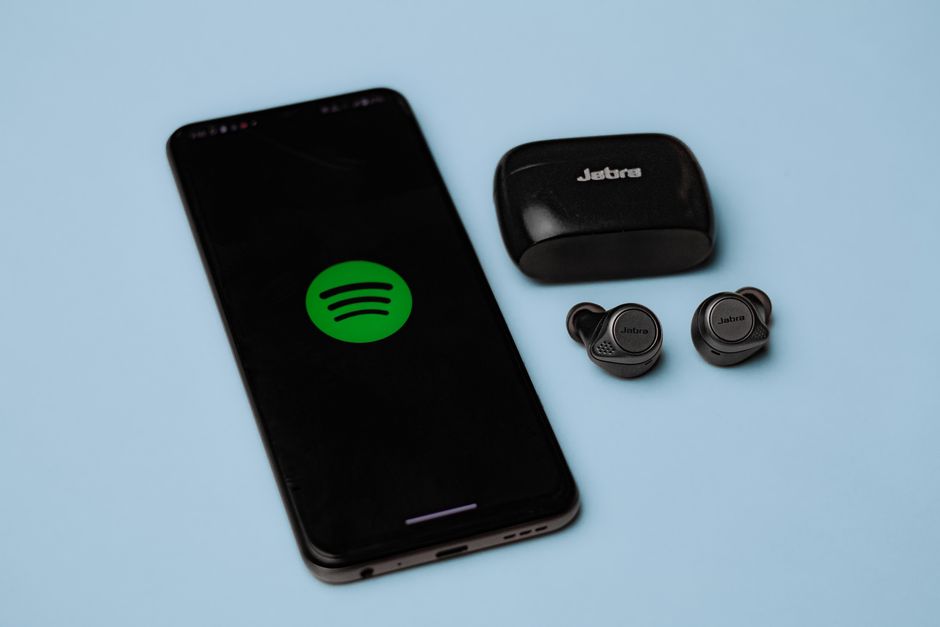
- Jabra Elite 8 Active — about $199.99: The grippy exterior, compact shape, and IP68 dust and water protection make this the strongest sealed-earbud choice for runners who train through sweat and heavy rain. Battery life is roughly 8 hours from the earbuds, with more available from the case. They isolate more sound than an open-ear model, so use awareness mode around traffic. For wet trail runs and hard sessions, this is the most practical all-rounder.
- Beats Fit Pro — about $159.99: The small wing tip helps keep the earbud planted, while active noise cancellation and a transparency mode cover indoor and outdoor use. Battery life is about 6 hours with noise cancellation enabled, and the IPX4 rating covers sweat but not serious rain. Choose these for gym sessions, treadmill work, and short runs. Do not buy them as your main pair for long wet routes.
3. Best for a light, natural fit: Sony LinkBuds Fit
Sony LinkBuds Fit — about $199.99: These earbuds use soft support pieces to keep the housing stable without the bulky feel of a large wing. Battery life is around 5.5 hours with noise cancellation and longer with it disabled. The sound is more refined than most sport-focused models, but the lower water rating means they suit dry-weather runners better than rain chasers. For a light daily pair that also works at a desk, this is the best compromise.
Run a three-session test before you keep them
Do not judge jogging earbuds from a shop demo or a ten-minute walk. Your ears warm up, sweat changes the seal, and small fit problems become obvious only after repeated impact. Give the pair three different tests before deciding that Reddit got it right for you.
What should you do on the first run?
Keep the first run short: 20 to 30 minutes on a familiar route. Use a podcast at a moderate volume, then switch to music for the final five minutes. Notice movement, pressure, wind noise, and how quickly you can adjust a control. Do not test a new pair on a long race-pace workout. A bad fit can become painful before you have a safe way home.
What should you do on the second run?
Repeat the route with the earbuds slightly adjusted, not tightly forced into place. Test the awareness mode before crossing streets, take a call if that matters to you, and check whether sweat makes the controls slippery. If an earbud needs attention every few minutes, treat that as a failed fit rather than a technique problem.
When should you return them?
Return the earbuds if they cause sharp pressure, fall out during normal jogging, lose connection repeatedly, or require unsafe volume to hear speech. Do not keep an uncomfortable pair because the sound is impressive. The whole point is to make the run easier, and the best jogging earbuds Reddit can suggest are still wrong if they distract you from running.
The single most important takeaway: choose the earbuds that stay secure and let you hear your route clearly, then judge sound quality after those two conditions are satisfied.